
You've found a few electricians online, got a couple of quotes, and now you're stuck. They all look the same on paper. But electrical work isn't like painting a feature wall. Get it wrong, and you're looking at safety hazards, voided insurance, or worse. In New South Wales, unlicensed electrical work is strictly prohibited. These 10 questions cover everything from licences and pricing to permits and guarantees, so you can hire the right electrician with confidence before work begins.
1. Are You Licensed to Do Electrical Work in NSW?
Every electrical business in NSW must hold a valid electrical contractor licence issued by NSW Fair Trading. Not just a trade certificate, but a contractor licence. That licence number is legally required to appear on all advertising and business materials. If it's missing, that's your first warning sign. You can verify any licence yourself using the Service NSW online licence check tool.
2. Are You Insured, and What Does Your Cover Include?
Ask your electrician about two things specifically: public liability insurance and workers' compensation. Public liability covers damage to your property or injury during the job. NSW doesn't set a specific minimum for licensing, but $5 million is considered the industry baseline for most sites. Many builders, property managers, and government projects require $10 million to $20 million. If your electrical contractor doesn't carry adequate insurance, you could be left covering the cost of accidents on your own property. That's a huge risk you don't need to take.
3. Do You Charge a Fixed Rate or by the Hour?
An hourly rate means slower workers cost you more. A fixed rate means you know the cost before work begins. Ask your electrician whether the written quote includes labour, materials, call-out fees, and GST. And make sure it's a fixed quote, not an estimate. They're not the same thing.
A professional electrician should have no issue providing an itemised, written quote that spells out exactly what you're paying for. Some Wollongong contractors, including Easther Electrical, use fixed-fee pricing schedules specifically to protect homeowners from bill shock.
4. Who Will Actually Be Doing the Work?
The person who quotes the job isn't always the person who turns up. Some larger contractors subcontract work out or send apprentices without mentioning it upfront. That's not necessarily wrong, but you deserve to know. Apprentices must be supervised by a licensed electrician at all times. Ask before the job starts so you know who to expect on the day.
5. Do You Have Experience With This Type of Job?
Not all electricians have the same expertise. An experienced electrician who does switchboard upgrades every week may have limited knowledge of EV charger installations, data cabling, or Level 2 service connections. Ask whether they've completed similar electrical jobs in Wollongong recently. Vague answers or a quick pivot to general experience are reasons to keep looking.
6. Will You Handle Permits and Compliance Certificates?
In NSW, electrical wiring work requires a Certificate of Compliance for Electrical Work (CCEW) once the job is complete. This is your legal proof that the work performed meets Australian Standards. You'll need it for insurance claims, property sales, and future inspections. A licensed electrician is legally required to provide this. If they don't mention it, ask.
For larger jobs, such as switchboard upgrades or work involving the service connection, additional approvals from Endeavour Energy may be required. Ask your electrician who handles that paperwork before the job starts, not after.
7. What Does Your Warranty Cover?
Products come with manufacturer warranties, but what about the labour? Ask how long the workmanship guarantee lasts and what happens if something goes wrong after the job is done. A reliable electrician will stand behind their work and come back to fix issues without a fight. Get the warranty details in writing. Verbal guarantees are hard to enforce if things go sideways.
8. How Do You Handle Unexpected Issues?
Opening a wall or inspecting a switchboard sometimes reveals problems the original quote didn't account for. Old rubber-sheathed cabling, undersized wiring, or materials that don't meet current safety standards. Good contractors will stop, explain what they found, give you an updated cost, and wait for your sign-off before doing any extra work. If they just crack on and add it to the invoice, that's a problem.
9. Do You Know Wollongong's Older Housing Stock?
Wollongong has a large number of pre-1980s homes across suburbs like Corrimal, Bulli, Fairy Meadow, and Thirroul. These older properties often have damaged wiring, outdated switchboards, and electrical systems that haven't been touched in decades.
The coastal Illawarra environment also takes a toll. Salt air accelerates corrosion on switchboards, exterior fittings, and exposed conduit. A local electrician who has worked on these homes will know what to look for. Someone from outside the area may not. It makes sense to hire experienced electricians who understand the specific challenges of your property and location.
Easther Electrical has been servicing Wollongong and the Illawarra Region for over 10 years, working across residential, commercial, and industrial properties.
10. Can You Provide References or Recent Reviews?
Google Reviews are the easiest way to research an electrician's track record. Look for reviews from the last six months that mention the type of job, not just "great service." For larger projects such as full rewires or commercial fit-outs, asking to speak with previous customers directly is entirely reasonable. A qualified electrician with a solid history will welcome the question.
When to Walk Away
If the licence number is missing from the quote, the price was given over the phone without a site visit, or the contractor gets cagey when you ask about insurance or compliance certificates, walk away. Pressure to commit on the spot is another warning sign. The right electrician will give you time to do your research and won't rush your decision.
Ready to Hire With Confidence?
Asking these questions isn't rude. It's exactly what a professional electrician expects. If you're looking for a reliable electrician in Wollongong who can answer all 10 without hesitation, Easther Electrical is a locally owned electrical contractor with over a decade of experience across Illawarra.
As a Level 2 Authorised Service Provider (ASP), the team is qualified to work on the service connection between your property and the Endeavour Energy network, which is work that a standard electrical contractor can't legally do. All jobs are priced on a fixed-fee basis and include a parts-and-labour guarantee. Get in touch for a free quote or call 02 4256 5899.
There’s a reason most people get multiple quotes when hiring tradies; you want to make sure you’re getting a fair price, and that’s smart. But chasing the cheapest deal can sometimes backfire. There are still a few unlicensed operators cutting corners and undercutting qualified electricians to win quick jobs. The result? Reputable teams like Easther Electrical are often called in to fix unsafe or poorly done work, costing homeowners much more in the long run.
As such, we are dedicating this post to electrician costs, specifically in Wollongong. We'll include call-out fees, hourly rates, and what’s actually included, to help you make informed decisions, compare quotes fairly, and ensure you’re not getting taken for a ride. Most importantly, you'll know when you're hiring a licensed professional who’ll get the job done safely, efficiently and to Australian Standards.
Average Hourly Rates for Electricians in Wollongong
The average hourly rate for electrical work will vary depending on the type of job, electrician’s experience and the level of work required. Most businesses offer a standard hourly rate which will increase in line with the complexity of the work.
Prices will be higher for more advanced commercial electrical work and projects that require specialised skills or experience.
What Is a Call-Out Fee?
Call-out fees cover the electrician’s time, travel, and resources. Think fuel, vehicle wear, admin and the initial site assessment of your electrical issue. Higher rates apply for emergencies or after-hours callouts.
For example, if your power suddenly cuts out late at night or there's a burning smell from a power point, that’s considered an emergency call-out. An electrician will attend immediately, but at a higher cost.
Many reputable electricians, including Easther Electrical, will offset the call-out fee against the total cost of the job once work begins. As a result, you’re only paying for genuine service time.
Cost Breakdown by Job Type
While every electrical job is different, here’s a general guide to what Wollongong homeowners can expect for common services. These figures are broad industry estimates, keep in mind that complexity, materials, and accessibility all influence the final price.

*Please note: Prices are subject to change, and specific pricing will depend on the job type. We advise speaking to our electricians about your job to gain your custom quote.
Again, these figures are intended as general estimates, so your actual quote may vary depending on your unique site conditions. That said, a reputable Wollongong electrician will always provide a transparent breakdown of the costs before beginning any job.
Factors That Affect Electrician Pricing in Wollongong
Let’s delve further into what can affect pricing, because several variables can influence the final cost. And understanding these helps eliminate the fear of being overcharged, confusion about call-out fees, and uncertainty about what’s included in quotes.
- Licensing and qualifications – Fully licensed and insured electricians may charge higher rates, but you’re paying for safety, compliance and, most of all, peace of mind.
- Travel distance and access – Jobs located further from the electrician’s base, or in properties with difficult access (like tight roof spaces), can increase labour time and cost.
- Job urgency – After-hours, weekend, or public holiday callouts attract higher rates due to overtime and immediate response requirements.
- Type of property – Commercial sites generally involve more complex systems, higher voltage requirements, and additional safety procedures, which means higher overall costs than standard residential work.
By factoring in these elements, you’ll get a clearer picture of what’s behind a quote. Again, we need to stress, a qualified professional will break all this down for you in an easy-to-understand manner, making them worth every cent.
How Wollongong Prices Compare to NSW Averages
Prices for electrical work varies across NSW, with Sydney typically seeing the highest prices. Wollongong tends to align with pricing in other regional or coastal areas.
Prices are impacted by local demand, distance between jobs, and access to materials.
Tips for Getting a Fair and Accurate Quote
To make getting an electrical services quote feel less confusing or risky, here's a list of tips to help you compare services and avoid surprise costs later on. This will also be handy to print off for reference:
- Ask for itemised estimates outlining the electrical work, including labour, materials, and call-out fees.
- Confirm whether GST and parts are included in the total.
- Ask if they are licensed and insured for electrical systems.
- Compare multiple quotes (we suggest 3) from licensed, insured electricians.
- Look for businesses that promote “no hidden fees” or upfront pricing.
- Check reviews online.
- Ask if any electrical maintenance is required.
When to Call a Licensed Electrician
Electrical work is never worth the risk of DIY. You're dealing with live electricity here, not common household work. Even minor issues can turn into serious safety hazards if not handled correctly, and we've seen it happen more often than you would believe. If you’re dealing with flickering lights, tripping circuits, or are in need of an electrical installation, call a licensed Wollongong electrician to ensure everything meets Australian Standards and keep your home and family protected.
Local, Licensed Experts

Electrical issues can be stressful, but finding the right help shouldn’t be. At Easther Electrical, we’re proud to provide Wollongong homeowners and businesses with clear, upfront pricing. Whether it’s an urgent repair, a new installation, or routine maintenance, our fully licensed electricians deliver safe, compliant, and efficient solutions every time.
Need tailored electrical solutions Wollongong? Contact Easther Electrical for transparent pricing, fast service, and no hidden costs.
FAQs
How much is a call out for an electrician?
Call-out fees vary, but professional electricians in Wollongong typically charge for travel and initial assessment when providing emergency services to residential and commercial properties.
What do electricians charge per hour in NSW?
Hourly rates for a local electrician range depending on experience, property type, and urgency, with licensed professionals offering transparent rates for both residential and commercial properties.
How much is a call out fee for an electrician in Australia?
Standard call-out fees cover time, travel, and basic inspection by professional electricians, especially for urgent emergency services.
How much do electricians make per hour in Australia?
Licensed professional electricians earn an hourly rate reflecting skills, high quality electrical services, and the demand for emergency services.
Is your beautiful Wollongong home hiding a nasty shock? When it comes to electrical hazards, what you can’t see might cost you everything.
From overloaded circuits in newly renovated beach bungalows to outdated wiring in classic character houses, hidden electrical risks are lurking right beneath the surface. To help you know what to be on the lookout for, here are the most common electrical hazards that our team sees in Wollongong homes, old and new.
1 - Faulty or Aged Wiring
It can be difficult to know when wiring is no longer up to the job, especially in older Wollongong homes, because it's often 'out of sight, out of mind'. If you are experiencing flickering lights or frequent power outages, locating faulty wiring and replacing it is the best way to avoid devastating electrical fires and dangerous electric shocks.
2 - Overloaded Power Points and Extension Cords
Overloading is a common problem in older Wollongong homes that lack the amount of electrical amenities required for modern living. However, using power boards (especially cheap ones) or relying on extension cords as a permanent solution can lead to a fire risk due to overheating if the circuit is overloaded.
Have a local electrician upgrade or install new electrical fittings where you need them and also have them check that your electrical system has the capacity to handle the extra load.
3 - Outdated Switchboards and Fuses
You buy a new refrigerator, but when you plug it in, the circuit breaker repeatedly trips. Older switchboards aren't designed to handle modern appliances. Switchboards should be replaced every 20-30 years, or sooner if your electrical demands increase dramatically.
Older switchboards not only struggle to handle modern electrical loads, but they also lack features like safety switches and surge protection. They can also contain hazardous materials like asbestos, so it's best to have yours upgraded, if you haven't already.
4 - Water and Electricity Near Kitchens, Bathrooms, and Outdoors
Wollongong is a coastal city, and humidity and salt spray can wreak havoc on electrical fittings and fixtures, compromising electrical safety. This is especially the case for outdoor light switches and around pool areas.
Bathrooms and kitchens are also required to meet safety standards to ensure safety around water. If you are not sure if electrical work in these areas of your home complies with AS3000, only a licensed electrician can ensure the electrical safety of your home and family.
5 - DIY Electrical Work
DIY electrical work can have fatal consequences. In Australia, all electrical work beyond changing a lightbulb must be performed by a licensed electrician. If you need to change a light fixture, replace wiring, or have damaged switches or fittings, call a professional.
If you're thinking of buying an established home in Wollongong, have its electrical system inspected by a qualified electrician, as this sort of work isn't included in a standard building and pest inspection.
6 - Faulty Appliances and Power Cords
It should go without saying - never use a power cord or appliance with frayed wires or cords, or loose plugs, because doing so can easily lead to potentially fatal electrical shocks and house fires.
While testing and tagging of home electrical appliances isn't required by law, it is highly recommended to avoid safety hazards. This is particularly so for seasonal appliances such as heaters and portable air conditioning units that can degrade while in storage.
7 - Lack of Routine Electrical Inspections
When was the last time you had the electrical equipment and systems of your Wollongong home checked for faults? Professionals recommend that homes older than 25 years be checked for electrical faults every 3 years and new homes, every 5 years.
If you're overdue for a safety inspection, call a licensed electrician to test important safety features such as your residual current device, which protects against electric shocks and fires by immediately shutting off power when an imbalance in current flow is detected.
Keep Your Wollongong Home Safe
Don't make a fatal mistake by neglecting these common electrical hazards. With nearly 40% of all house fires in Australia caused by electrical faults, it's critical to have your home checked regularly, or as soon as you notice any warning signs.
The fully licensed and certified team at Easther Electrical can handle all manner of residential electrical work in Wollongong. Whether you're moving in, renovating or simply maintaining your home, you can trust us to get the job done quickly and affordably. Visit our website for a free quote or call us on (02) 4256 5899 today.
FAQs
What are the most common electrical hazards?
The most common electrical hazards we see include ageing wiring, overloaded circuits, and poor grounding, all of which can lead to electrical shocks and house fires.
What is an electrical hazard in a household?
An electrical hazard at home is anything that can cause electrocution, burns or fires. This can range from frayed appliance cords to water being used near electricity.
What are the two main hazards associated with the use of electricity?
The two main dangers of electricity are fires and electrocution. Fires are often caused by faulty wiring or overheating, while electrical accidents are caused by direct or indirect contact with live wires or parts.
You may not realise it, but if you live in the Wollongong region, particularly in older suburbs like Thirroul, Figtree, or Corrimal, your property could contain outdated aluminium wiring. While there’s no need to panic, it’s worth being aware of the potential risks involved.
Aluminium wiring served its purpose decades ago, with the wiring commonly installed in Australian homes built during the 1960s and 1970s, when copper prices soared and builders sought a more affordable alternative. As such, it seemed like the perfect solution at the time: lightweight, inexpensive, and easy to work with. But more recently, it's been linked to electrical faults, overheating, and safety concerns.
Here's what you need to know.
Risks of Aluminium Wiring
Aluminium expands and contracts more than copper, meaning loose connections, overheating, and even electrical fires can happen.
Aluminium oxidises easily, forming a non-conductive layer that increases electrical resistance and heat at connection points. Over time, this can lead to overheating and potential fire hazards. In some cases, older aluminium wiring installations may also fall short of current Australian electrical standards if they’ve deteriorated or been altered incorrectly, which can complicate insurance claims. By contrast, copper wiring is more stable, conductive, and reliable, making it the preferred material for modern electrical systems.
Local Spotlight: Wollongong Homes

Based on our experience working in the Illawarra area for over 30 years, we’ve seen firsthand how common aluminium wiring still is in many Wollongong homes. As such, we're well-acquainted with the unique challenges it presents. This is especially true in older suburbs such as Woonona, Fairy Meadow, Unanderra, Figtree, and Corrimal, where many homes were built during the 1960s and ’70s boom when aluminium wiring was widely used. The combination of ageing connections, coastal corrosion, and inconsistent wiring standards keeps us busy removing electrical hazards and bringing homes up to today’s safety standards.
Signs Your Wollongong Home May Have Aluminium Wiring
Now you might be wondering whether your home has aluminium wiring, and thankfully, there are a few clues to look out for with your electrical system. Firstly, was your house built or renovated between the mid-1960s and late 1970s? If so, you're a likely candidate.
Here are the safety hazards to look for:
- Dull silver-coloured wiring behind outlets or switches (instead of the usual copper tone)
- 'Frequent circuit breaker trips
- Flickering lights (that aren’t tied to electrical appliances)
- Discoloured outlets
- Faint burning smell
- Electric shocks
- Evidence of DIY electrical work or faulty wiring
- Frequent circuit breaker trips
- Flickering lights (that aren’t tied to electrical appliances)
- Discoloured outlets
- Faint burning smell
- Electric shocks
- Evidence of DIY electrical work or faulty wiring
If you recognise any of the above, it's wise to book an inspection by a licensed Wollongong electrician.
What You Can Do About It
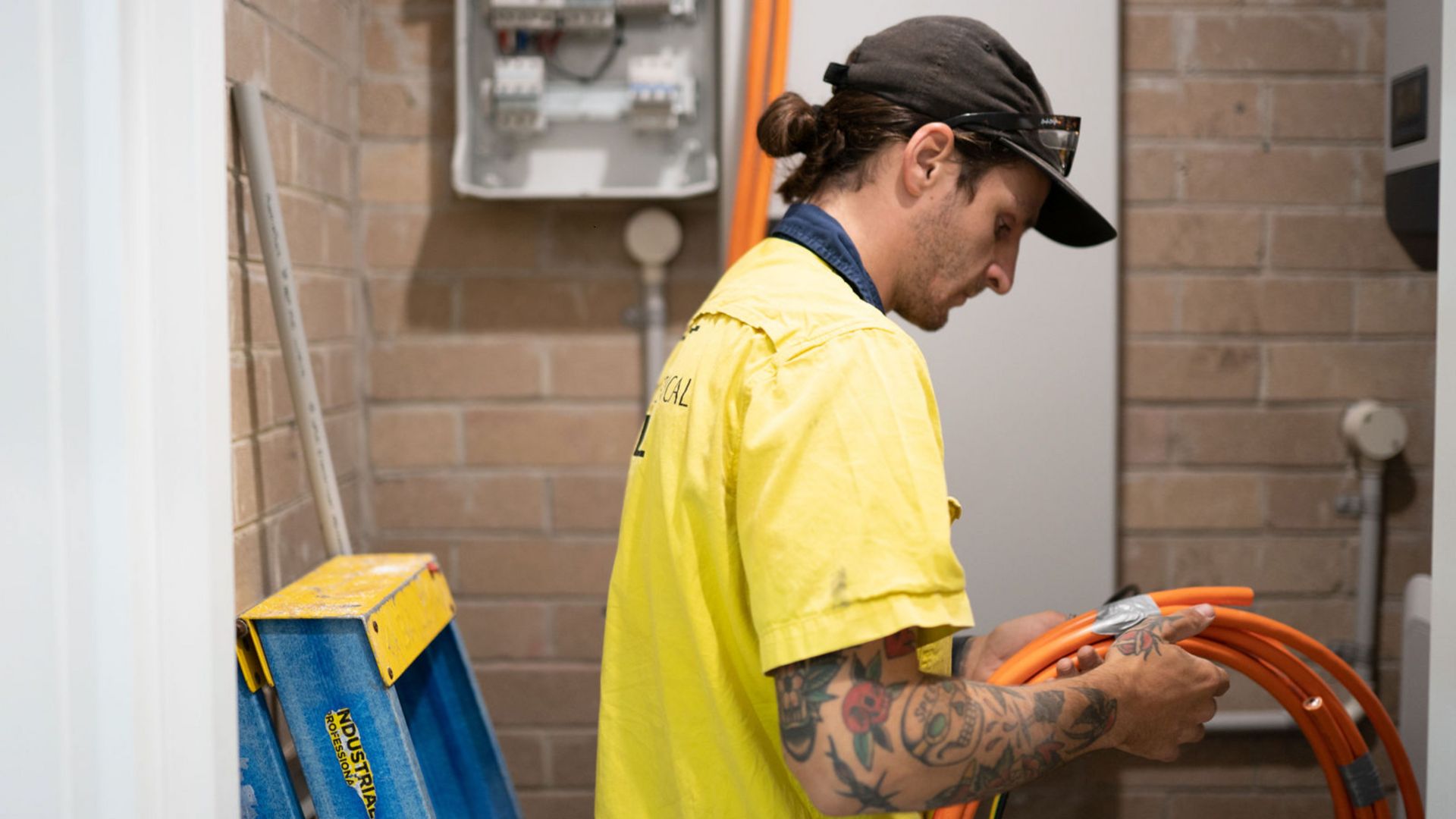
If it turns out that your Wollongong home has aluminium wiring, there are several solutions available, the most common being rewiring. This can either be a full rewire (safest) or a partial rewire, which just targets the high-risk areas like kitchens and switchboards.
If you really want to ensure the safety and compliance of your home's electrical system, then regular electrical safety inspections are essential. They catch early warning signs before they become serious.
But it's crucial to always work with a licensed Wollongong electrician familiar with local housing conditions, not some unlicensed cowboy undercutting the professionals. A fully qualified electrician will advise on the most cost-effective and compliant approach to avoid potential electrical hazards.
Risks of DIY Electrical Work
It might be tempting to tackle electrical projects yourself, especially with so many online tutorials. While the home renovation shows have made DIY more popular, electrical work is far more dangerous than typical home improvements. Unlike painting or basic carpentry, working with electricity carries an immediate risk of severe injury, electric shock, or even death. Even a minor mistake, like a loose connection or improper wire sizing, can create potential hazards such as short circuits, power surges, or fire.
Without the proper training, we've seen customers overlook issues like oxidation, worn insulation, or overloaded circuits. Furthermore, DIY electrical work is illegal in NSW and can also void your insurance policy.
In short, it's just not worth the risk.
Licensed electricians undergo years of training and apprenticeship to identify hidden risks, ensure connections meet current standards, and perform safe, compliant installations. By leaving electrical work to the professionals, you not only protect yourself and your family but also safeguard your home from long-term hazards that could cost thousands in repairs.
Aluminium Wiring and Australian Standards
When it comes to aluminium wiring, compliance with Australian safety standards can make all the difference between a safe home and a potential fire risk. You should know that aluminium wiring itself isn’t actually illegal, but it still often doesn’t meet modern electrical safety codes unless it’s been properly maintained or upgraded using approved methods.
The current standards recommend replacing or professionally assessing older wiring systems, especially if your electrical system is showing signs of wear. Additionally, if you’re planning renovations, it makes sense to include new electrical installations.
Get Your Home Inspected
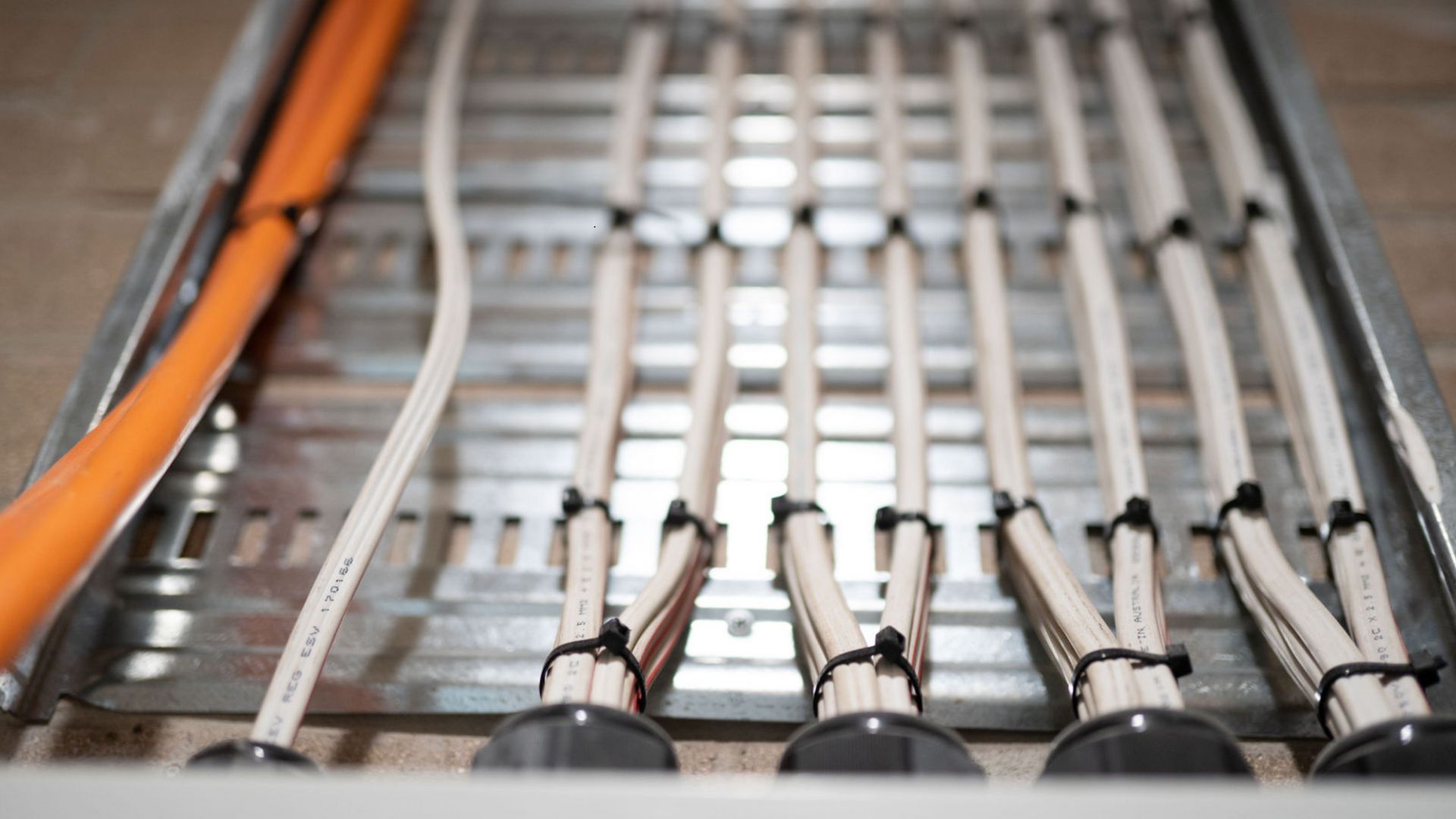
If your home was built in the 60s or 70s, or you’ve noticed flickering lights or discoloured outlets, it’s worth getting your wiring checked. A professional inspection by a licensed Wollongong electrician will not only identify whether aluminium wiring poses any safety risks, but also recommend the best long-term, cost-effective solution.
Don’t take chances with your home’s electrical safety. Book an inspection with Easther Electrical today, Wollongong's premier electrical service, and enjoy peace of mind knowing your property is in expert hands.
FAQs
Should I be worried about aluminium wiring in my house?
Yes, aluminium wiring can pose potential hazards such as overheating and power surges, so inspections are recommended to ensure safety.
How much does it cost to replace aluminium wiring in a house?
The cost varies depending on the home’s size and layout, but investing in rewiring helps prevent power surges and ensures safety long-term.
What are the disadvantages of aluminium wiring?
Aluminium wiring is prone to corrosion, loose connections, and potential hazards, especially without regular maintenance.
How to make aluminium wiring safer?
You can ensure safety through regular maintenance, professional inspections, and upgrading connections or rewiring where necessary.
The Wollongong real estate market has seen significant growth over the past decade. According to Illawarra property market trends, median house prices have risen by an astonishing 50% in just five years. This is a faster-growing market than larger capital cities like Brisbane and Adelaide. With an enviable location nestled between the beach and the Royal National Park and coastal living in suburbs like Thirroul, Figtree, and Shellharbour, it's no wonder the area is so sought after.
As a result, many homeowners are capitalising on this growth by renovating their homes to match the lifestyle and local climate. One area growing in popularity is the kitchen's electrical system, where modern, energy-efficient, and smart electrical upgrades are safely improving both form and function.
Let's explore the 5 most common electrical kitchen upgrades for Wollongong homes.
Upgrade #1: LED & Task Lighting
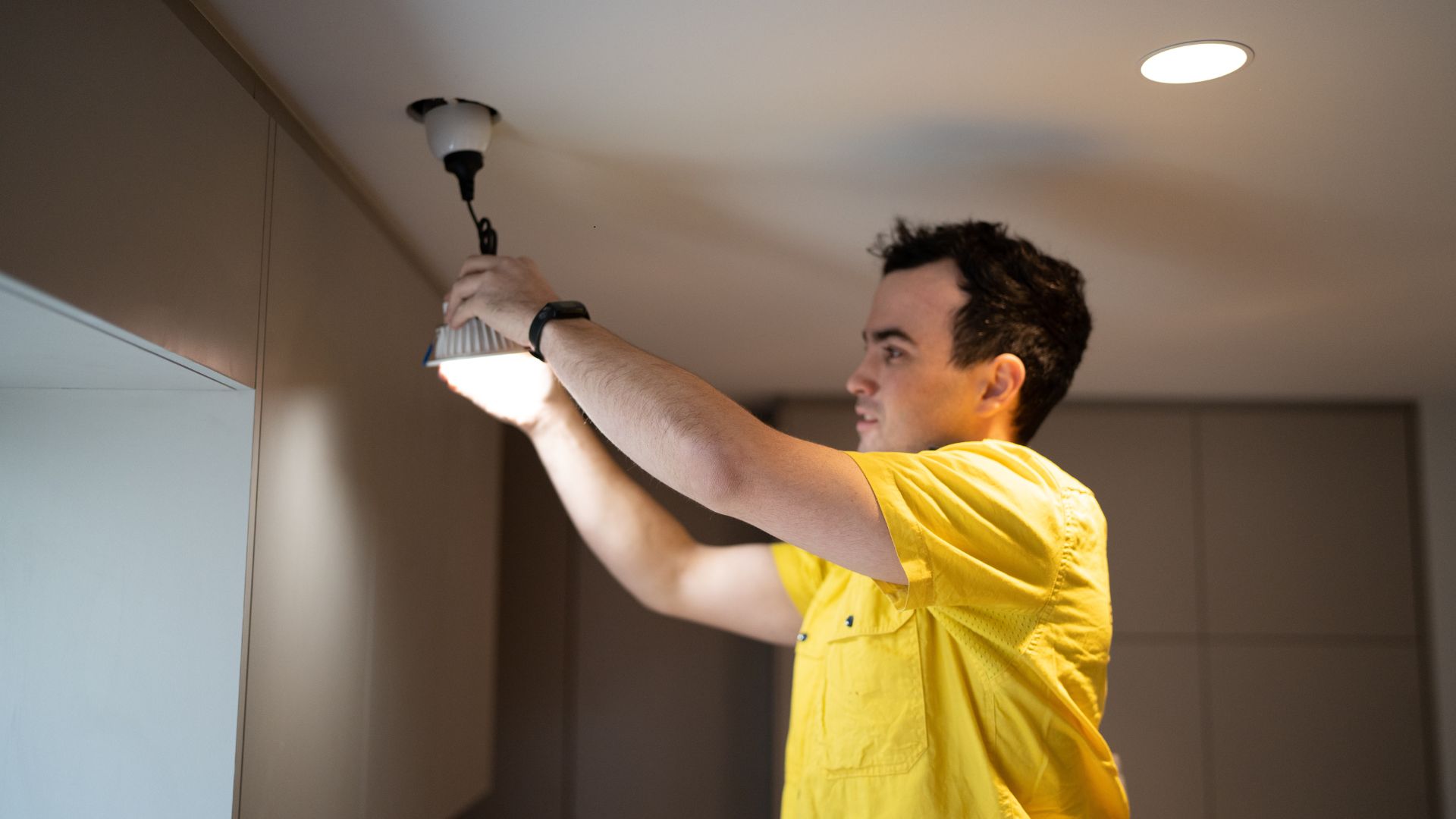
The most common kitchen upgrade we see in Wollongong homes is improved lighting, especially in the case of flickering lights. Specifically, LED and task lighting. These types of lighting are popular due to their efficiency, functionality, and health benefits. LED lighting is not only highly energy efficient but has a long lifespan, often exceeding 50,000 hours. This serves as a double win by reducing energy costs and the frequency of bulb replacements, leading to long-term savings. By relying more on task lighting, specifically designed to provide bright, focused light for a particular activity or work area, you can also significantly bring down your energy usage.
Upgrade #2: Additional Power Points & USB Outlets
With more appliances becoming staples in the modern kitchen (we're looking at you, air fryer) and more devices than ever on offer, it’s tempting to just plug in a power board to keep up. However, relying on too many power boards can cause overheating, power outages, and safety risks. The smarter choice is to install additional power supply points and USB outlets. Popular spots include island benches, appliance stations, and prep areas. Extra outlets ensure your kitchen is functional, future-proof, and clutter-free.
Upgrade #3: Dedicated Circuits for Major Appliances
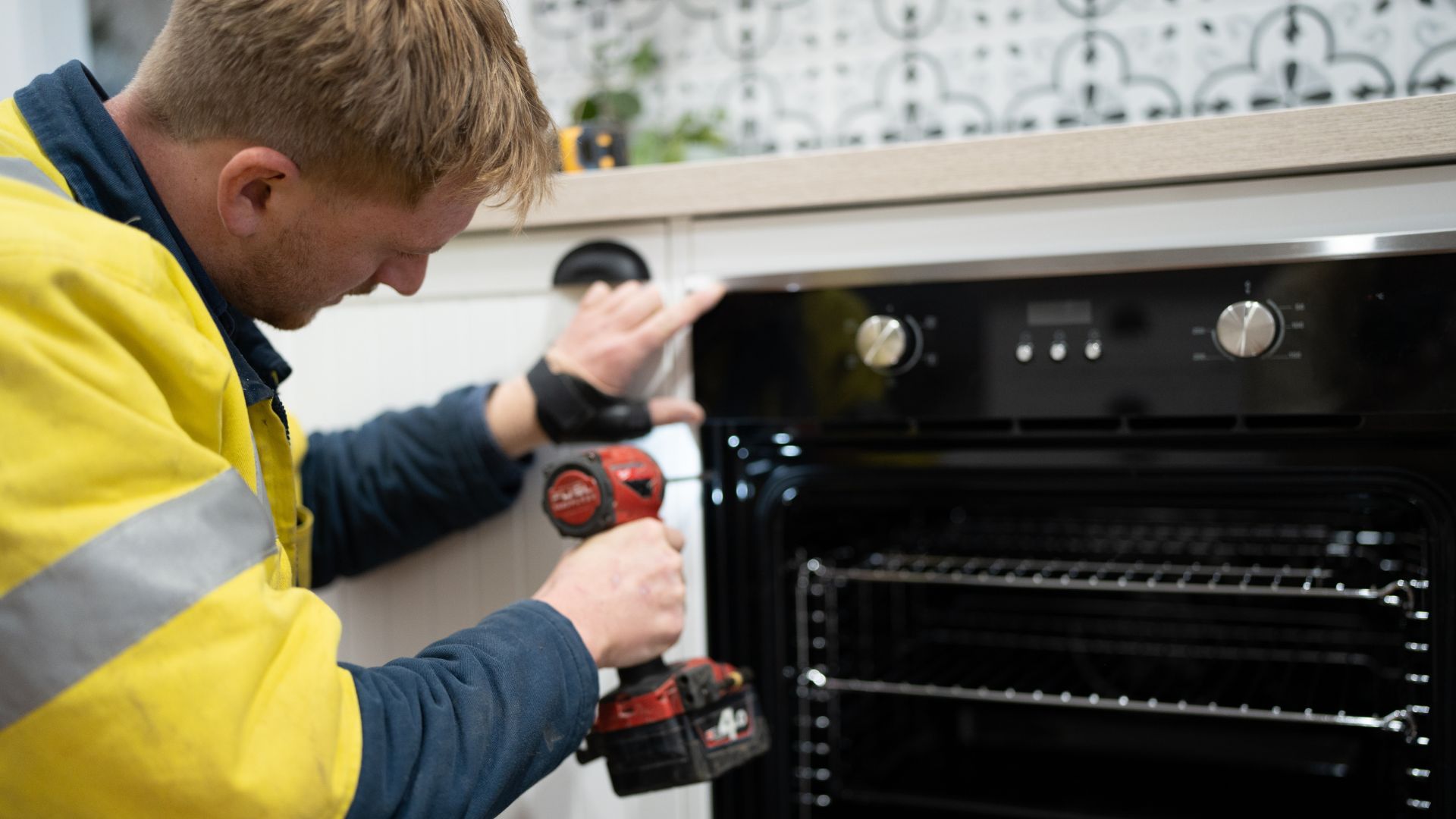
Now what about the bigger home appliances that keep your kitchen running, such as ovens, dishwashers, and fridges? These heavy-hitters draw a lot of power, which is why they benefit from dedicated circuits (rather than sharing with smaller outlets). Installing separate circuits not only ensures these appliances perform at their best, but it also reduces the risk of tripping breakers, electrical faults, and, in the worst-case scenario, potential fire hazards. For Wollongong's older homes, specifically where wiring may be outdated, this upgrade is a smart investment in both safety and long-term reliability.
Upgrade #4: Smart Kitchen Technology Integration
Would you like your kitchen to function like one of those futuristic sci-fi movies you watched growing up? Then equipping your home with smart kitchen technology is the upgrade for you. Imagine preheating your oven from your phone during your commute home from work, with a Wi-Fi-enabled oven. But it doesn't stop there. From fridges that send alerts to your phone, to app-controlled lighting and voice-activated assistants, smart tech is making kitchens more intuitive and convenient than ever.
Beyond the wow factor, these upgrades also future-proof your home by adding dollar value and improving energy efficiency. By adopting smart plugs that cut standby power and appliances optimising their own energy use, integrating smart technology is the perfect way to blend style, convenience, and long-term savings.
Upgrade #5: Safety Upgrades – RCDs & Surge Protection
This one, while not as exciting as smart gadgets or new lighting, is all about providing priceless peace of mind. As they say, safety first. Upgrades like Residual Current Devices (RCDs) and surge protection not only keep your home compliant with Australian Standards, but they also protect you and your appliances from a higher risk of electrical faults, overloads, and power surges. Such risks are especially relevant in older Wollongong homes and coastal conditions, and while these behind-the-scenes upgrades may not be visible, they’re what keep your kitchen running safely and reliably.
Local Expertise in Wollongong

Wollongong homes come with considerations when it comes to electrical upgrades. Our coastal weather conditions can impact wiring, and there are certain local regulations and safety standards that must be followed. That’s why working with a Wollongong licensed electrician who knows our unique landscape is so valuable. You’ll have peace of mind knowing your kitchen not only looks great but functions safely and efficiently.
Ready to Upgrade Your Kitchen Electrical?
The electrical upgrades mentioned in this piece can transform your kitchen into a modern, powerful, and safe hub for your home. If you’re ready to make the switch and work closely with your local electrician for the best solution, get in touch for a tailored free quote from our dedicated expert team today.
Having a pool in our sunny country is a luxury but can be one of the biggest energy expenses for homeowners, particularly during the cooler months. We frequently find that many pool owners unknowingly run their heaters at the wrong times or for too long, which wastes energy and money.
As a result, we advise them on an efficient heating schedule—knowing when to heat, how long for, and how to make the most of tools like covers and timers. This is the key to comfort, peak performance and heating your pool smarter.
Understanding Pool Heating Costs & Energy Use
The first step to efficient pool heating is understanding how different systems work and what affects their energy use. There are several pool heaters on the market, each with its own pros, cons and efficiency levels:
- Gas pool heaters can warm pool water quickly but are less energy-efficient and more costly to run long-term.
- Electric resistance heaters are simple but energy-hungry, making them better suited for spas, small pools and plunge pools.
- Solar pool heating offers low operating costs, though performance depends heavily on sunlight and climate.
- Pool heat pumps are among the most efficient. They draw heat from the air; however, they work best in warmer environments and require a higher upfront investment.
- Resistance heaters (also known as an electric resistance pool heater) are a simple and effective pool heating system, but they also have less energy efficiency than other options like heat pumps or solar heaters.

Other factors affecting your heating efficiency include your location, pool size, local climate, insulation, and how often you use your pool. For example, it makes sense to invest in solar power in warmer and sunnier regions. However, cooler climates may require a heat pump with a more consistent, strategic schedule to balance comfort with savings.
The Most Efficient Heating Schedule for Your Pool
Timing does make all the difference when it comes to efficiency and, consequently, savings. This is because heating your pool at the right time helps minimise energy use while keeping the water at a comfortable temperature.
As a rule of thumb, early morning or during off-peak electricity hours (often overnight) is the most cost-effective time to heat your pool. If you're using an electric heat pump or resistance heater, you should be scheduling your heating. However, if you're using solar heating, mid-morning to early afternoon is ideal when the sun is strongest.
The key is to retain heat rather than constantly reheat. That’s where good insulation and a pool cover come in—they can dramatically reduce heat loss overnight. This means your system won’t need to work as hard the next day. The more stable your water temperature stays, the less energy you’ll burn to maintain it.
Seasonal Pool Heating Strategies
Strategic heating schedules change with the seasons. Heating your pool the same way year-round doesn’t make sense for your energy bill or the environment, especially if you live in a more extreme seasonal climate.
Summer vs. Winter
In warmer months, you can reduce heating altogether, even switching it off completely, especially if your pool gets good sun exposure. In winter or cooler climates, schedule your heating during daylight hours to take advantage of solar gains, insulation and ambient air temperature.
Cover Up
Investing in a solar pool cover, a specially designed cover made from durable, UV-resistant plastic with tiny air pockets (like bubble wrap), or a thermal blanket can prevent up to 70% of heat loss, especially overnight. Windbreaks like hedges or fencing also help retain warmth by reducing evaporation.
Know When to Switch Off
If you’re not using your pool for an extended period—say during holidays or in the middle of winter—turn off the heating completely to avoid unnecessary energy costs. Even dropping your thermostat a few degrees when the pool isn’t in use can save money on your electricity bill over time.
Energy-Saving Tips for Pool Heating
Here are some tips to get the most efficiency from pool heating systems.
Install a Variable-Speed Pool Pump
Unlike single-speed pumps, variable-speed models adjust power to suit your pool's energy consumption needs. This saves significant energy while still reaching the desired temperature.
Optimise Heating Times with Automation
Set and forget with smart pool automation, which lets you schedule heating during off-peak electricity hours and avoid running systems when not needed.
Combine Solar and Electric Heating
Get the best of both worlds by using solar heating during the day and supplementing it with electric or heat pumps when needed. This gives you consistent pool temperature without driving up energy bills.
Use a Pool Cover to Reduce Heat Loss
As mentioned, a solar or thermal pool cover or pool blanket not only traps heat but also reduces evaporation, which can cut heating costs by up to 50%.
Upgrade Switchboard
Upgrading to a modern switchboard allows better control over your pool heating schedule by supporting timers, smart automation, and off-peak electricity use.

Common Mistakes & How to Avoid Them
Running the Heater All Day Unnecessarily
Heating continuously not only wastes energy and money but is unnecessary. Only run the heater when needed, and pair it with a cover to retain warmth longer.
Overheating Overnight
Heating your pool too much overnight, especially during cooler temperatures, is also unnecessary. Instead, use a cover and take advantage of daytime solar gains (if you have solar). If using electricity or gas and taking advantage of off-peak power times, then switch it on later and turn off first thing in the morning.
Ignoring Wind and Weather Conditions
Wind increases evaporation and heat loss, so use windbreaks like hedges or fences. Moreover, adjust your heating schedule based on the forecast to maintain efficiency.
Enjoy Your Pool Without Worry
Heating your pool efficiently doesn’t have to be complicated—use the right heater for your needs, schedule heating during off-peak hours, and always cover your pool to lock in warmth. With smart planning and a few energy-saving strategies, you can enjoy a perfectly heated pool without blowing your budget.
Easther Electrical can help you improve your electric hot water systems, ensuring they're as energy efficient as possible for maximum savings and performance. Contact us today for a free quote.
Frequently Asked Questions
What time of day should I run my pool heater?
Run your pool heater during off-peak electricity hours and when solar gain is highest—usually late morning to early afternoon.
What is the most efficient way to keep a pool heated?
Use a pool cover, heat during off-peak hours, and combine solar with electric or heat pump systems for maximum efficiency.
Is it better to heat a pool at night or during the day?
Heating during the day is generally more efficient, especially when using solar or taking advantage of warmer ambient temperatures.
Is it better to leave the pool heater on all the time?
No, it’s more cost-effective to heat your pool only when needed and maintain the temperature with a pool cover.
With so many appliances on the market, manufacturers are constantly looking for ways to stand out. One way they're doing this is by offering more energy-efficient models that help homeowners cut down on electricity use, lower energy bills, and contribute to a more sustainable future.
Energy Rating Labels are used in Australia to provide consumers with information about the energy efficiency of appliances. You may also notice ENERGY STAR labels on imported US products.
So, what do they mean, and how can you use this information to pay less on your energy bills and live a greener lifestyle? Here’s what you need to know.
What Are Energy-Efficient Appliances?
Energy-efficient appliances are designed to use less energy while still delivering the same level of performance as standard models. They’re specifically built to reduce energy consumption, help you save on electricity bills and lower your carbon footprint.
These appliances often feature advanced technology or design improvements that optimise power use, like better insulation or more efficient motors.
How much do energy-efficient appliances really save?
The exact amount you can save with energy-efficient appliances depends on the type of appliance, its usage, and the energy efficiency rating. Replacing older, inefficient appliances with models with higher Energy Rating Labels can typically save you anywhere from 10% to 50% on energy costs.

Here are some example savings (figures vary depending on the model and size, and efficiency rating):
- Refrigerators: Save between $50 and $200 per year in energy costs.
- Washing Machines: Save $40 to $100 a year in both electricity and water savings.
- Dishwashers: Can reduce energy costs by $30 to $50 annually.
- Air Conditioners: Offer 15% to 30% energy reduction compared to standard models
Understanding ENERGY STAR and Australian Energy Rating Labels
What ENERGY STAR Means
ENERGY STAR is an international rating system—primarily used in the US—that helps you understand how much energy appliances use. You might see ENERGY STAR-labelled products in Australia, especially if they’ve been imported. These ratings are out of 10 stars, with 1 being the least efficient and 10 the most.
Seeing this label means the product meets strict energy efficiency standards set by a government-approved program.
How Ratings Are Determined
ENERGY STAR ratings are determined by testing appliances in specific conditions to measure their energy consumption. Appliances that use less energy than the average model in their category earn the ENERGY STAR label. The rating takes into account three essential factors:
- Energy use
- Performance
- How much the appliance reduces greenhouse gas emissions
Global vs. Australian Energy Rating Labels
While ENERGY STAR is more common in the US, Australia has its own mandatory Energy Rating Label system. The Australian Energy Rating Label, part of the Equipment Energy Efficiency (E3) Program, rates appliances on a scale of 1 to 6 stars, with higher stars indicating better energy efficiency.
Appliances that go beyond 6 stars may carry a 7 to 10-star label, indicating ‘super efficiency’. For some products, like pool pumps, the 10-star label is now standard.
This labelling system is displayed on a variety of appliances, including:
- Air conditioners
- Fridges and Freezers
- Dishwashers
- TVs
- Dryers
- Clothes washers
- Computer monitors
- Pool pumps
The objective of the energy efficiency label is to help consumers make informed choices based on energy consumption.
What’s the best way to compare appliance energy usage?
To compare appliance energy usage effectively, check the Energy Rating Label, which shows the star rating and an estimate of annual energy consumption. This energy consumption figure helps you gauge how much energy the appliance will use each year. Additionally, dishwashers and washing machines feature a Water Rating Label for water efficiency.
If you require more detailed comparisons, visit the Energy Rating website and use the Energy Rating Calculator to compare specific models and their efficiency.
How Energy-Efficient Appliances Save You Money
This chart highlights the potential savings for each appliance type based on energy efficiency.

Key Factors to Consider When Buying Energy-Efficient Appliances in Australia
When shopping for energy-efficient appliances, here are the key factors to keep in mind:
ENERGY STAR Rating Comparison
The first thing you will notice at the top of the label is the ENERGY STAR rating. Compare the star ratings between different models. Remember, more stars mean higher efficiency, helping you save on energy costs.
Energy Consumption and Wattage
Check the energy consumption figures on the Energy Rating Label for an estimate of annual power use.
This gives you a better picture of the long-term usage.
Features that Impact Efficiency
Features like inverter technology, eco modes, and smart sensors can optimise energy use.
Upfront Cost vs. Long-Term Savings
Though energy-efficient appliances may have a higher initial cost, long-term running costs on electricity bills often make them a smarter investment.
Top Energy-Efficient Appliances for Your Home
Here are some brands that are making notable strides in energy efficiency initiatives for various appliances in Australia:
Refrigerators
- LG: Known for its Inverter Linear Compressor technology that reduces energy consumption while maintaining optimal cooling performance.
- Samsung: Twin Cooling Plus technology optimises energy use and helps preserve food freshness.
Washing Machines
- Fisher & Paykel: SmartDrive technology uses fewer moving parts, enhancing energy efficiency.
- Samsung: With ecobubble™ technology, Samsung washers clean clothes effectively using lower water temperatures, saving energy.
Dishwashers
- Bosch: The Serie 8 dishwashers feature EcoSilence Drive for low energy consumption without compromising on performance.
- Miele: Known for their high-end, energy-efficient models, Miele dishwashers are designed for minimal energy use while offering maximum washing power.

Air Conditioners
- Daikin: Their Zena series offers high energy efficiency with a focus on reducing electricity consumption while providing optimal cooling. They also have an aesthetic appeal.
- Panasonic: Their Inverter series uses advanced technology to reduce energy wastage by adjusting the compressor speed.
Water Heaters
- Rheem: Their Heat Pump Water Heaters provide energy-efficient hot water by capturing heat from the air, making them more energy-efficient than traditional electric water heaters.
- Dux: The Prodigy 4-star and five-star gas heat pump system is another energy-efficient option known for its high energy efficiency, improved recovery rates, as well as easy installation.
Lighting Solutions (LED bulbs, smart lighting)
- Philips Hue: Smart, energy-efficient LED bulbs feature automation and dimming to save energy.
- GE Lighting: ENERGY STAR-rated LED bulbs use up to 80% less energy than traditional bulbs and have a longer lifespan.
These brands are leading the charge in promoting energy-efficient appliances that can help reduce household energy consumption and contribute to a more sustainable future. A quality residential electrician can advise on and install these super-efficient appliances.
Energy-Saving Tips Beyond Appliances
To further reduce your energy consumption and save money on your energy bill, consider these additional tips:
- Home Insulation and Temperature Control: Proper insulation helps keep your home at a comfortable temperature, reducing the need for air conditioning and heating, which are among the biggest contributors to household energy consumption.
- Smart Power Strips: These can help you easily turn off electronics when not in use, saving energy and reducing standby power consumption. While only minimal, over time, these savings add up.
- Proper Professional Maintenance for Efficiency: Regular servicing of your appliances ensures they run efficiently, saving you energy and money.
- Upgrading to a more efficient switchboard: Upgrading your switchboard can improve the safety and energy efficiency of your home or business.
An Energy-Efficient Future
We hope you now consider energy ratings as an investment in both your wallet and the environment. By understanding appliance energy ratings, choosing ENERGY STAR-certified products, and maintaining your equipment properly, you can reduce your energy bills and contribute to a greener future.
Ready to make the switch to energy-efficient appliances? Contact Easther Electrical today to explore your options for installation and advice.
Frequently Asked Questions
Are ENERGY STAR appliances worth it?
Yes, ENERGY STAR appliances help reduce energy consumption, lower electricity bills, and are better for the environment.
What is a good ENERGY STAR score?
A higher ENERGY STAR score indicates greater energy efficiency compared to similar appliances. In Australia, this means a 7-star rating would use significantly less energy than a 1-star rated appliance.
What is the difference between a 2-star and 3-star refrigerator?
A 3-star refrigerator is slightly more energy-efficient and consumes less electricity than a 2-star model.
What is the difference between ENERGY STAR 1 and 5?
A 5-star appliance is significantly more energy-efficient than a 1-star appliance, meaning lower energy use and cost savings.
What does 7-star energy rating mean?
A 7-star rating indicates exceptional energy efficiency, with the appliance using significantly less power than lower-rated models.
Batteries play such a pivotal role in our increasingly digital age. They power everything from smartphones to electric vehicles, making them an essential part of modern life. However, not all batteries are created equal—different chemistries offer varying levels of efficiency, lifespan, and sustainability.
If you're like most people, you haven't given battery chemistries much thought. But the reality is that choosing the right battery for the right use case can impact cost, durability, and environmental impact.
What is Battery Chemistry?
In its simplest terms, a battery is a device that stores chemical energy and converts it into electrical energy to power various devices, many of which we use every day. It does this by moving electrons through a circuit, creating a flow of electricity.
To delve a little deeper, battery chemistry refers to the specific materials and chemical reactions used to generate this electrical power. Different chemistries affect a battery’s performance, cost, and lifespan. It's why some batteries are more expensive than others.
For example, lithium-ion batteries are lightweight and long-lasting, which is why they are the standard choice for smartphones. Conversely, lead-acid batteries are more affordable but bulkier and are commonly used for applications that require high power output and reliability.

Common Battery Chemistries Explained
As we've pointed out, different chemistries offer unique benefits depending on the application. Here’s a breakdown of the most common types:
Lithium-Ion (Li-ion) Batteries
Lithium-ion batteries are one of the most popular battery chemistries today due to their ability to store a large amount of energy relative to their size and weight. As a result, lithium-ion has revolutionised portable electronics, such as smartphones, laptops, and other portable electronics. Additionally, Li-ion batteries are ideal for renewable energy storage systems, as they enable efficient storage of solar or wind energy for later use. The other main use case is electric vehicles (EVs), where their energy density helps maximise driving range while keeping the vehicle lightweight.
Benefits:
- High energy density
- Lightweight
- Long cycle life
Lead-Acid Batteries
Lead-acid batteries are one of the oldest and most common rechargeable battery types. These lower energy density batteries are most commonly used in automotive applications, including petrol and diesel vehicles, where they provide power to start the engine.
They are also widely used in backup power systems for homes, businesses, and data centres. You'll also find lead-acid batteries in industrial machinery, forklifts, and renewable energy storage systems.
Benefits
- Cost-effective
- Reliable
- Highly recyclable

Nickel-Metal Hydride (NiMH) Batteries
They are commonly used in hybrid vehicles because they provide efficient energy storage and rechargeability. Other applications include medical equipment, cordless power tools, digital cameras, and rechargeable household batteries (such as AA and AAA that you buy at the supermarket).
Benefits
- Safe
- Environmentally friendly
- Offers good energy density
Solid-State Batteries
Solid-state batteries are relatively new in battery technology. Unlike traditional chemistries, they use a solid electrolyte instead of a liquid one. As a result, the batteries reduce the risk of leaks or fires, making them a much safer option. Moreover, they boast a longer lifespan and have the potential to offer higher energy storage, allowing for more efficient and longer-lasting power solutions.
There's a lot of excitement around this new battery technology, and solid-state batteries are already being used as an alternative to lithium-ion in electric vehicles (EVs). Their enhanced safety and higher energy density could help increase driving range and reduce the risk of battery degradation.
Additionally, they're also gaining traction in wearables and next-generation electronics, such as smartwatches, fitness trackers, and advanced gadgets. As solid-state technology continues to evolve, these batteries could play a key role in the future of clean energy and tech innovation.
Benefits:
- Safer
- Longer lifespan
- Potential for higher energy storage.
Lithium Manganese Oxide
Lithium manganese oxide (LMO) batteries are known for their thermal stability and fast charging capabilities, making them a popular choice for power tools, medical devices, and some electric vehicles.
Benefits:
- High thermal stability
- Fast charging
- Lightweight design
Flow Batteries
Flow batteries are primarily used for large-scale energy storage in renewable energy systems. This is because of their ability to store large amounts of energy for extended periods, which makes them ideal for managing solar or wind power even when the sun isn't shining or the wind isn't blowing. But isn't this what lithium-ion batteries are for? Yes, but the main difference is that lithium-ion is suited for high-performance applications, from portable electronics to large-scale energy storage and electric vehicles.
Benefits:
- Scalability
- Long lifespan
- Deep discharge capability
Zinc-Air
Finally, there are zinc-air batteries, which are super small, lightweight and offer a high energy density. As such, zinc-air is used for smaller devices such as hearing aids, watches and other specialty applications where space is limited but performance is crucial.
Benefits:
- High energy density
- Lightweight and portable
- Environmentally friendly
Comparing Battery Chemistries: Pros and Cons
Here's a comparison chart that highlights the key pros and cons of different battery chemistries based on factors like energy density, lifespan, cost, safety, and applications:

Choosing the Right Battery Chemistry for Your Needs
When selecting the best battery chemistry for your application, there are three key factors to consider:
- Application: Determine what the battery will be powering and ask your supplier or electrician which is most suitable.
- Budget: Know your budget and consider the cost-benefits. For example, while lithium-ion and solid-state batteries may have higher initial costs, they offer longer lifespans and better performance.
- Environmental Impact: If you're environmentally conscious, consider nickel-metal hydride (NiMH) and zinc-air batteries if they suit your application as they are less harmful to the environment. While lithium-ion batteries offer long-term sustainability benefits (like longer lifespans and higher energy efficiency), and the batteries can be recycled, the process is complex and not as widely implemented as lead-acid battery recycling.
Future Trends in Battery Chemistry
As you can see, battery technology is rapidly evolving, and it's exciting seeing new innovations like solid-state batteries, sodium-ion alternatives, and enhanced lithium recycling methods paving the way for more sustainable and efficient energy storage. This demand for cleaner and longer-lasting power solutions will continue to grow, and it's beneficial to stay on top of the latest advancements.
This is where a quality electrician can help. To explore the best battery solutions for your application, speak with the experts at Easther Electrical.
Frequently Asked Questions
Which battery chemistry is best?
The best battery chemistry depends on the intended application—lithium-ion is ideal for high energy needs, while lead-acid remains cost-effective for backup power. Another factor to consider is reputation of the battery manufacturer.
What are the different types of battery chemistry?
Common types of battery chemistry include lithium-ion, lead-acid, nickel-metal hydride (NiMH), solid-state, flow batteries, and zinc-air batteries.
What are the most common EV battery chemistries?
Most EVs use lithium-ion batteries, with variations like lithium iron phosphate (LFP) and nickel-manganese-cobalt (NMC) for different performance needs. However, the new kid on the block—solid state—is fast becoming an attractive alternative for EVs.
Electricity powers our world, but have you ever given thought to how it flows? There are two main types of electrical current alternating current (AC) and direct current (DC).
Each has its uses and advantages, shaping how we use electricity in everyday life. Let's look at the key differences between AC and DC currents. We'll explain the different applications, and help you understand why they’re so important.
What is AC Current?
Alternating current (AC) is a type of electrical current and, unlike direct current, which flows steadily in one direction, AC reverses its flow. This typically happens multiple times per second and is measured in hertz. This back-and-forth motion makes it highly efficient for transmitting electricity over long distances.
AC Power
Alternating current is the primary source of electricity for your homes, businesses, as well as entire industries. AC is what's delivered through power transmission lines and can easily be adjusted up or down in voltage to suit various applications. As a result, it's ideal for large-scale energy distribution.
AC Voltage
AC voltage refers to the electrical potential in an alternating current system. The AC waveform fluctuates in a sine wave pattern, reaching positive and negative peaks. This alternating current enables efficient energy transfer and conversion.

What is DC Current?
Direct current (DC), as the name suggests, is the steady flow of electricity in a single direction. Unlike the back-and-forth movement of AC power, direct current is straightforward—electrons travel from point A to point B without any detours in power distribution.
DC Power
DC provides a constant voltage, making it perfect for powering devices that need a stable energy supply. Think of it as the reliable, no-fuss stream of electric current that keeps your appliances and applications running smoothly.
DC Voltage
You’ll find direct current electrical energy in batteries, solar panels, and most electronics. From your all-important smartphone to your laptop, DC power supply is the powerhouse behind many everyday essentials.
History of AC and DC Currents
The story of AC and DC currents is a famous tale known as the War of Currents between Thomas Edison (DC) and Nikola Tesla (AC). Edison was all for electrical engineering direct current for its steady flow. While Tesla, backed by Westinghouse, advocated for alternating current due to its efficiency over long distances.
In the end, AC won the battle and became the standard for power grids worldwide. This was largely because of its ability to be efficiently transmitted over long distances.
However, Edison and Tesla play equal roles in our history of electricity, and both AC and DC help power our modern world. It's just that each is suited to specific applications.
AC vs DC: Key Differences
Here are some of the key differences between AC and DC.


Modern Applications of AC and DC Currents
In today’s world, AC power and DC power each play their unique roles. When you think of AC, think big. AC powers our homes, businesses, and large-scale infrastructure. It's the go-to for transmitting electricity across vast distances. Moreover, AC electric power's ability to easily change voltage levels makes it ideal for the grid.
Conversely, DC, on the other hand, is a power source for smaller applications like washing machines, electrical devices and batteries. Speaking of batteries, DC is fast gaining momentum with renewable energy and modern tech. This is because solar cells and panels generate DC power, which is used to convert AC for use in homes. However, DC is used for powering electric motors.
As we shift towards greener solutions, especially electric vehicles, DC’s role in battery storage and sustainable tech continues to grow.
Frequently Asked Questions
Why is DC not used in homes?
Direct current is less efficient for long-distance transmission to supply power and voltage conversion of electrical power meaning alternating current is more suitable for powering homes.
What is the difference between AC and DC for dummies?
AC constantly changes direction, like a wave. While DC flows steadily in one direction, like water through a hose.
Does Australia use AC or DC?
Australia uses AC for power lines, power generation and high-voltage transmission to household electricity. DC is used for smaller applications such as appliances, electronics and increasingly renewable energy systems.
How do you tell if a current is AC or DC?
AC alternates direction and voltage over time, while DC has a constant voltage and flows in one direction. Additionally, the maximum voltage in an AC circuit refers to the peak value of the sine wave, while in a DC circuit, it represents the steady, unchanging voltage level.
Which Current is Best for Your Needs?
Choosing between AC and DC currents depends on your specific requirements—AC is ideal for powering homes and businesses, while DC is better suited for electronics and renewable energy systems like solar panels.
Understanding these differences ensures your electrical systems are efficient and reliable. If you’re unsure which current is right for your needs, speak with one of our Data & Telecommunications electricians today for professional advice and tailored solutions.
With the cost of living affecting most of us, people are finding more ways to save money. Electricity is a luxury we deem essential yet the costs in Wollongong are on the rise, leaving many households searching for ways to reduce their power bills.
Adopting smarter, sustainable energy practices has never been more important. Struggling with rising energy bills in Wollongong? You're not alone—and there are actionable steps you can take today to save money and help the environment.
Why Electricity Costs Are Rising in Wollongong
A range of factors are contributing to rising electricity bills in Wollongong, including:
- Increasing energy demand
- Fluctuating wholesale prices
- Inefficient home energy usage
- Increased network costs (maintenance of poles and wires)
- Extreme weather
Additionally, growing energy consumption contributes to climate change, which validates the need for more sustainable energy practices.

However, it's not all doom and gloom, with the Australian Energy Market Commission (AEMC) projecting that electricity prices could decrease by 13% across Australia by 2034. This reduction is expected to result from increased integration of renewable energy and advancements in energy technologies.
What Makes Up the Cost of Energy Bills?
The cost of energy bills is made up of several components, including:
- Wholesale electricity prices
- Network charges
- Retail margins
- Government taxes or levies
Different energy providers may offer varying rates and plans, but all include fees for generating and supplying electricity to your home. One way to save is to compare the different rates of energy suppliers in your area.
Simple Tips to Reduce Your Electricity Bill
There are several other ways you can reduce the cost of your energy bills.
Use energy-efficient appliances
Upgrading to energy-efficient appliances can significantly reduce your electricity usage, as they consume less power while delivering the same performance. There are many appliances with high Energy Star ratings to maximise savings.
Turn off unused devices
Unplugging devices or switching them off at the wall when not in use prevents standby power consumption, which can add up over time for your energy bill.
Install LED lighting
LED bulbs use up to 75% less energy than traditional incandescent lights and last much longer, making them a cost-effective and eco-friendly choice. You can buy these at your local supermarket.
Optimise heating and cooling systems
Setting thermostats to efficient temperatures can lower energy usage without sacrificing comfort.
Take advantage of natural lighting and insulation
Use natural light during the day and improve insulation and ventilation to keep your home cooler in summer and warmer in winter, reducing lighting, heating and air-conditioning costs. During summer, try opening everything up to let any breezes through the home instead of always relying on air-con, which is energy-intensive.
What Renewable Energy Options Are Available?
Switching to renewable energy, like solar power, is one of the best ways for Wollongong residents to reduce electricity costs and minimise environmental impact. As you are likely aware, solar panels can generate clean energy from the sun for your home, and we are blessed to live in a climate ideal for solar.

Making the switch can significantly lower your reliance on the grid and slash power bills.
Incentives and rebates
Wollongong homeowners can benefit from government incentives and rebates, such as:
- The Small-scale Renewable Energy Scheme (SRES)
- NSW Government’s solar battery installation rebate program
These help reduce the upfront cost of solar installations. Visit the NSW Government Energy Saver page for more details on available rebates and support.
You can also find out the potential savings your rooftop solar and battery could make with an energy savings calculator.
Wollongong-Specific Electricity Savings Programs
Wollongong residents have access to several local government and utility provider programs aimed at reducing electricity costs while improving energy efficiency.
Programs like the NSW Government’s Energy Saver Program offer rebates on:
- Energy-efficient appliances
- Solar panels
- Battery installation
If installing solar isn’t an option right now, switching to a 100% renewable energy provider is a great alternative. In fact, Wollongong City Council has recently partnered with Red Energy to source all its electricity from renewable sources. Alternatively, you can use the Australian and NSW Government-backed GreenPower website to find renewable electricity providers.
Savings in Action
Just a few years back, we had a Wollongong homeowner install a 6kW solar panel system and now they save over $1,200 annually on power bills. We directed him to take advantage of the NSW Government’s solar rebate, and they significantly reduced the upfront cost of installation of both the panels and a Tesla Powerwall battery.
We checked in with this past client and at the time of writing, the solar system now generates enough energy to power most of their household needs during the day, their reliance on grid electricity has almost gone entirely. As a result, they are on track to have the home solar system pay for itself within a few more years through energy bill savings. This transition not only cut their expenses but also contributed to better overall financial health and an eco-friendly lifestyle.

How to Monitor and Track Your Energy Usage
The first step to lowering your energy bills is knowing your energy consumption habits. It helps you identify areas where you can cut back and adopt more efficient habits.
Tools and apps for tracking electricity use
There are several tools and apps that allow you to track your electricity usage in real time, offering insights into consumption patterns and potential savings. Another option is a smart meter, which allows you to set a controlled load for your energy usage.
Tips for setting usage goals
Never underestimate the power of goal setting. The trick is to set achievable energy-saving goals, such as reducing your monthly consumption by just 10%. You'd be surprised how easily you can achieve this just by limiting usage during peak times. Or even just adjusting your pool pump energy use can bring in significant savings. Regularly review your progress to stay on track.
Start Saving on Your Electricity Bills Today
While the cost of living can be difficult to navigate, it's possible to reduce your electricity bill in Wollongong with simple changes like using energy-efficient appliances, installing solar panels, and taking advantage of local energy-saving programs. By understanding your energy consumption and setting achievable goals, you can make a significant impact on both your wallet and the environment.
Start saving today by scheduling a Wollongong home energy audit with Easther Electrical to identify additional opportunities for energy efficiency.