
Your safety switch tripping usually means it’s doing its job: detecting a leaking current somewhere in your electrical system and cutting power before it causes a shock. The trip isn’t the fault; it’s a symptom of a faulty appliance, damaged wiring, an overloaded circuit, or a switch failing on its own.
Unsure, you flick the safety switch back on, and it trips again minutes later, or won’t reset at all. Either way, you’re wondering if it’s something you can check yourself or something that needs a licensed electrician.
Resetting a tripped switch repeatedly isn’t a fix, and leaves electrical faults and real electrical hazards unresolved. Instead, it’s essential to understand what causes a safety switch to trip and cut power to part of or all of your home (not just one power point), plus what you can check yourself, and when to call a professional electrician.
What Is a Safety Switch and Why Does It Trip?
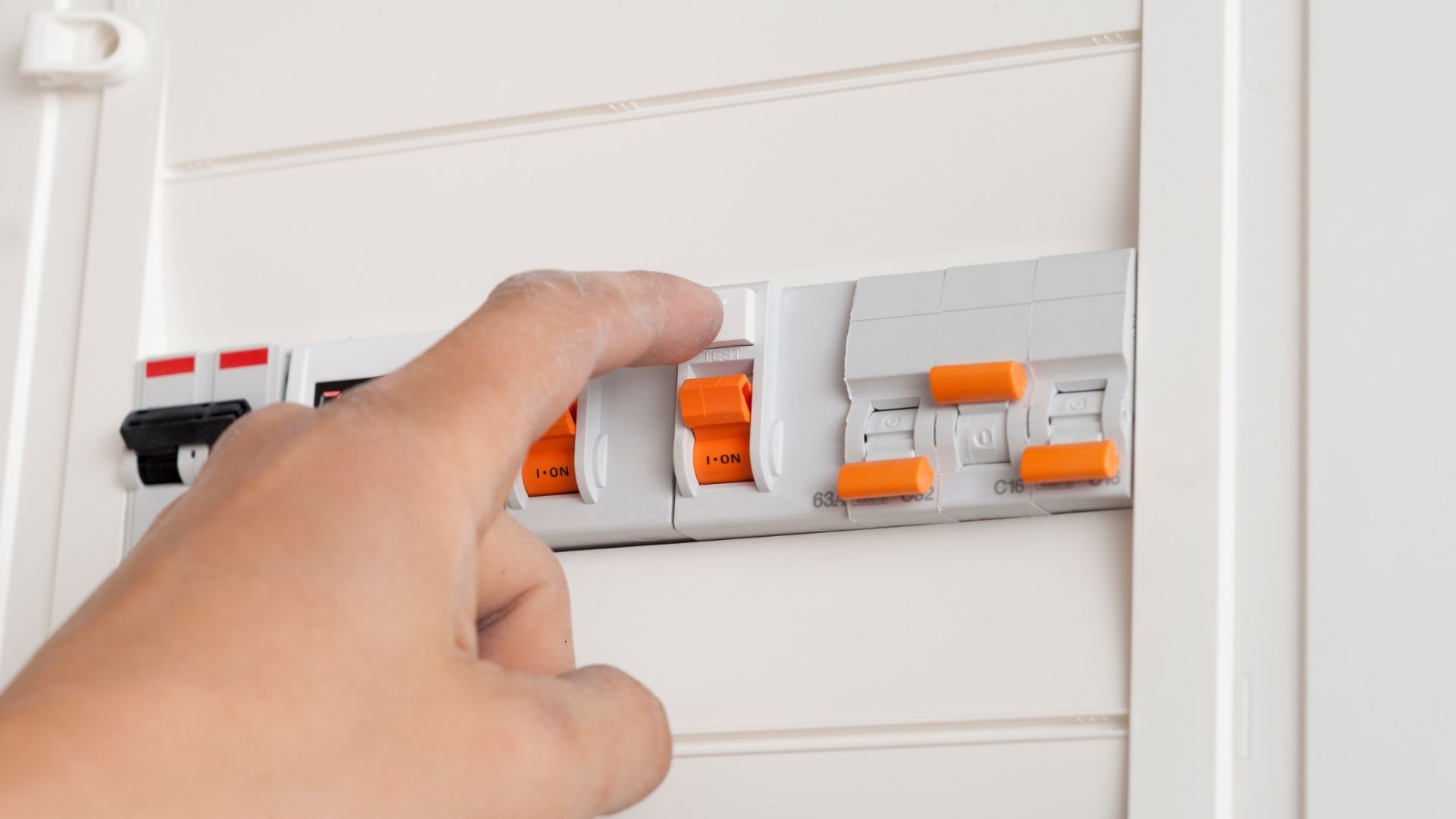
Understanding how safety switches work makes the rest of the process easier. A safety switch is also called an RCD, short for Residual Current Device. It monitors electrical current flowing through your home’s electrical circuits, and if it detects leaking current somewhere it shouldn’t, it cuts power in under 30 milliseconds, fast enough to prevent a serious injury.
That’s different from a circuit breaker. A circuit breaker protects your wiring from overloads and short circuits, but it won’t stop an electric shock. A safety switch detects earth leakage that a circuit breaker won’t pick up.
You can check your safety switch is functioning correctly by pressing the test button. Do this every three months for a portable safety switch, like one on a power board, and every six months for the fixed safety switches installed in your switchboard.
Safety Switch vs Circuit Breaker
| Safety Switch (RCD) | Circuit Breaker | |
| Protects | People, from shock | Wiring, from overload |
| Trips on | Leakage current | Excess current |
| Speed | Almost instant | Can be slower |
Common Reasons Your Safety Switch Keeps Tripping
There are a few common reasons a safety switch trips, and most come down to one of these.
A Faulty Appliance
Faulty appliances are the most common culprits behind a switch that trips repeatedly. Kettles, toasters, washing machines and heaters can develop internal faults or short circuits, and a damaged cord on a single appliance is enough to trip the circuit.
Water or Moisture in a Circuit
Water exposure is a major cause of nuisance tripping. Outdoor power points, garden lighting, laundries and bathrooms are common trouble spots, and heavy rain, wet weather, or a sprinkler hitting an outdoor point can set it off. Moisture in an outdoor socket can create a path between electricity and earth, which is exactly the kind of leak a safety switch is designed to catch.
Damaged or Ageing Wiring
Particularly in older homes, insulation degrades, connections loosen, and sometimes a wiring fault develops inside a wall cavity, putting the entire home at risk.
An Overloaded Circuit
Overloaded circuits occur when too many appliances, or high-wattage devices like heaters and power tools, draw power from the same circuit at once, causing the safety switch to trip.
A Faulty Safety Switch or Switchboard Issue
Occasionally, the switch itself is the fault. The RCD can fail, or a circuit breaker can be the wrong rating or simply worn out. Either issue can mean a safety switch trips repeatedly, sometimes across multiple circuits, even when every appliance checks out fine. A safety switch that’s failed internally can’t be fixed by resetting it and needs to be replaced by a licensed electrician.
What You Can Safely Check Before Calling an Electrician
- Turn off and physically unplug appliances on the affected circuit, if safe to reach them
- Reset the safety switch
- Plug appliances back in one at a time
- If it trips again after one appliance, that’s likely the cause. Leave it unplugged
- Note any burning smells, buzzing, or heat near the switchboard
- Don’t open the switchboard or touch exposed wiring
- Don’t keep resetting a switch that trips again immediately
How to Reset a Tripped Safety Switch
If your safety switch has tripped, it will usually sit in the off position. Turn it fully OFF, then back ON. If it won’t stay on, or the safety switch trips again, stop and call an electrician.
When a Tripping Safety Switch Needs an Electrician
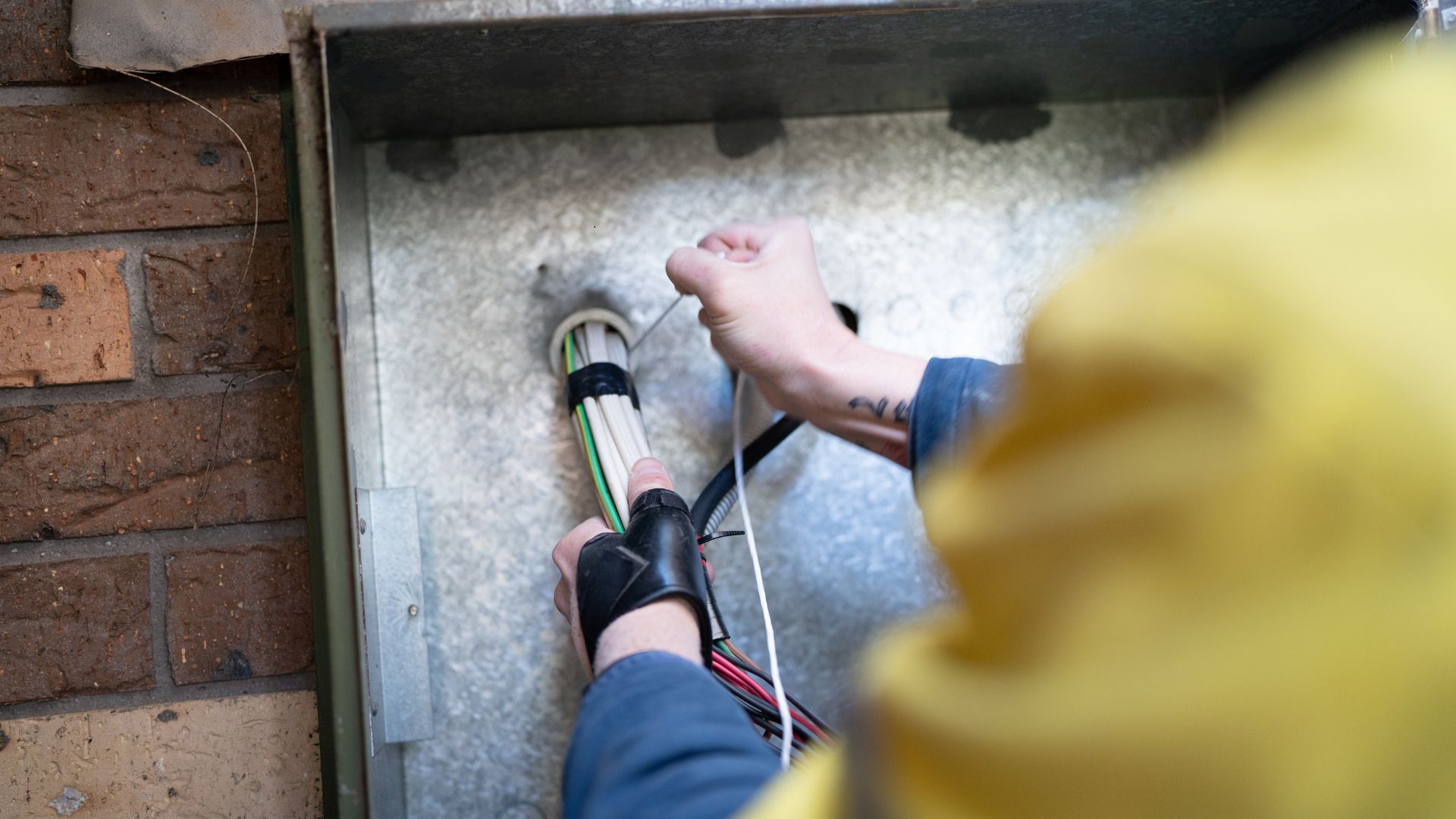
Call a qualified electrician if the switch trips immediately, won’t reset, or trips again with everything unplugged. The same applies for a burning smell, hot or cracked power points, flickering lights, buzzing, sparking, a shock or tingle, water or storm damage, an old switchboard or fuse box, or a recurring fault.
These are visible signs of electrical hazards beyond a single faulty device. If you notice any of these warning signs, or you’re simply unsure, give our emergency electricians a call. Trusted throughout Wollongong, our team provides 24/7 support, whether you’re dealing with the issue at 11pm or 2am. Don’t leave it to chance. We can quickly identify the cause and help restore your power safely.
Does a Circuit Breaker Need to Be Replaced If It Keeps Tripping?
Not always. Nuisance tripping from an overloaded circuit just needs less load on each outlet. A breaker failing on its own, regardless of what’s plugged in, is more likely to need replacing.
Why You Shouldn’t Ignore Repeated Tripping
A safety switch that keeps tripping, whether due to damaged wiring or a failing part, is a protective measure that tells you something’s wrong. Ignoring it risks a shock, damaged appliances, or one of the electrical fires safety switches exist to prevent. Diagnosing it properly beats simply switching the power back on.
How an Electrician Finds the Cause
An electrician tracks down electrical faults: inspecting the switchboard, testing the RCD and circuits, isolating appliances, and checking outdoor and wet-area circuits. That tells them whether it needs a repair, a replacement, or an upgrade.
Preventing Future Tripping
Inspecting appliances regularly for signs of wear or damage catches problems before they trip anything, and understanding how safety switches work helps you tell what’s normal from what isn’t. Safety switches are standard on every circuit in new homes and renovations, and older properties benefit from the same protection across every circuit, not just some.
Safety Switch Issues in Wollongong Homes
Coastal air can work into outdoor fittings, and electrical storms can cause voltage fluctuations that bring these faults to the surface. Some homes have been renovated in stages, mixing old and new circuits on the same board. Add EV chargers, air conditioning and solar to an ageing electrical system, and frequent tripping can be a sign it’s due for a proper look.
Our local electricians work across Wollongong, Shellharbour, Dapto, Albion Park, Fairy Meadow, Unanderra, Figtree and Corrimal and have seen it all when it comes to switchboard upgrades and repairs in older homes.
Do You Need a Repair or a Switchboard Upgrade?
Not every safety switch trips for the same reason, and not every electrical system needs a full upgrade.
| Situation | Likely Need |
| One appliance trips the switch | Appliance repair or replacement |
| Trips when it rains | Outdoor circuit or moisture diagnosis |
| Trips with nothing plugged in | Wiring or switchboard fault-finding |
| Old board with limited protection | Switchboard inspection or upgrade |
| Repeated, unexplained tripping | Licensed electrician assessment |
An upgrade is worth it if your board is old, overloaded, or doesn’t have RCD protection across power points and lighting circuits.
Need Help With Your Safety Switch in Wollongong?

Whether you’re having a safety switch issue at your workplace, at home, or at a local site such as Smith’s Hill High School, Warrawong Plaza, Corrimal Beach Tourist Park or Wollongong Hospital, Easther Electrical can help. We provide emergency fault-finding, safety switch testing, RCD testing and switchboard upgrades across Wollongong and Illawarra. If your safety switch keeps tripping, won’t reset, or the cause isn’t obvious, call our licensed electricians, and we’ll find out what’s going on. It’s better to be safe than sorry.
FAQs About Tripping Safety Switches
What should I do if my safety switch keeps tripping?
Unplug appliances on the affected circuit, reset the safety switch, then reintroduce them one at a time. If it trips with nothing plugged in, or won’t reset, stop and call an electrician.
How do I fix a switch that keeps tripping?
A faulty appliance just needs to be unplugged and repaired separately. Damaged wiring, an ageing switchboard, or a fault with the switch itself needs a licensed electrician to diagnose and fix properly.
Why does my safety switch trip when it rains?
Rain can expose moisture in outdoor power points, garden lighting or roof-space wiring that’s otherwise fine when dry, sometimes causing power loss or power cuts on that circuit.
Is it an emergency if my safety switch keeps tripping?
It can be, particularly with a burning smell, sparking, a shock, water damage, or if the switch won’t reset at all, since these point to a serious electrical issue.
Only one power point isn’t working; is that a safety switch issue?
Not usually. If the safety switch hasn’t tripped and other points on the same circuit are fine, it’s more likely an isolated fault with that specific circuit rather than a switch-wide issue.
You're lying in bed at 2 am and there it is again, that faint buzzing sound coming from somewhere in the walls. Or maybe you've noticed a low hum near your switchboard that wasn't there before. Is it normal? Is it dangerous? Should you call someone right now or wait until morning?
Electrical noises are unsettling because most of us don't know what's normal and what's a warning sign. As licensed electricians working throughout Wollongong and the Illawarra, we regularly diagnose electrical faults. Some humming is completely harmless, but some requires immediate attention.
Here's what you're hearing and when to worry about it.
What Does Electrical Humming Sound Like?
Electrical humming isn't just one sound. Different problems create different noises.
| Sound Type | What It Sounds Like | Normal or Concern? |
| Low frequency hum (50Hz) | Steady drone, fluorescent light buzz | Often normal |
| High-pitched buzzing | Angry bees, mosquito in your ear | Usually a problem |
| Crackling/sizzling | Bacon frying | Dangerous |
| Intermittent buzzing | Comes and goes randomly | Needs checking |
| Loud switchboard humming | Hear it across the room | Serious issue |
Australia's electrical system runs at 50Hz, so some low-frequency sound is just electricity doing its job. That steady hum from a street transformer or a very faint drone near your switchboard when the air conditioner kicks on is normal.
High-pitched buzzing is where things get concerning. This typically means arcing, where electricity jumps small gaps instead of flowing through connected wires. Crackling or sizzling also suggests arcing. Both are dangerous because they generate heat in enclosed spaces.
The pattern tells you a lot about whether you need to worry. Constant humming from the same source (transformers, appliance motors) is often fine. However, if the buzzing comes and goes when you flip switches or use certain devices, that points to a connection problem somewhere in your circuit.
If the noise gets progressively louder, it means something's deteriorating. But if you only notice it at night when everything's quiet, you might just be hearing normal household electricity for the first time.
Electrical sounds maintain a steady, consistent pitch, unlike plumbing noises (gurgles, rattles) or structural sounds (creaks) that vary with activity.
5 Common Causes of Electrical Humming in Wollongong Homes
1. Electrical Transformers (Normal)
If you hear a steady low hum outdoors or near your property boundary, that's most likely a street transformer. Wollongong suburbs have both pole-mounted and pad-mounted transformers, and they all hum to some degree. The humming comes from magnetostriction. When alternating current flows through the transformer's metal core, the metal expands and contracts with each cycle, creating vibrations you can hear as a low hum.
A steady hum that doesn't change much is normal. But if a street transformer suddenly gets much louder or develops a harsh buzzing quality, contact Endeavour Energy. That could indicate a problem with the transformer itself.
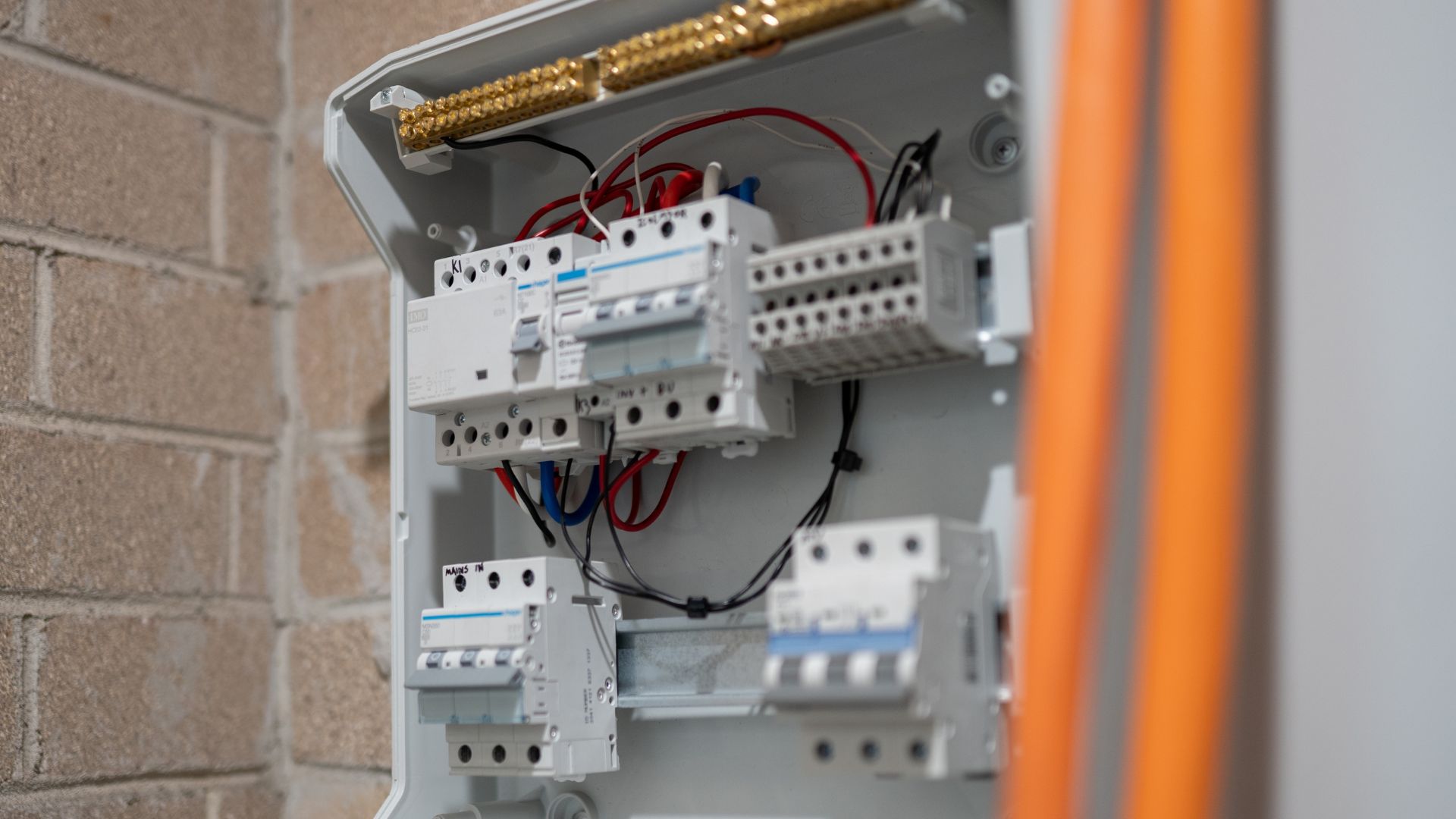
2. Main Switchboard
Your switchboard should be relatively quiet. If you put your ear right up to the switchboard, you might hear a very faint hum when heavy appliances are running, which is normal.
Loud buzzing from your switchboard is a different story. This points to loose connections within the switchboard, a failing circuit breaker, or an overloaded circuit that cannot handle the power demand. Loose connections create heat, which increases the risk of fire.
If you hear your switchboard buzzing from across the room, that's a serious electrical issue that needs professional attention.
3. Electrical Outlets and Switches
Outlets and switches should be silent. A buzzing sound from an outlet or switch indicates arcing behind the wall plate. Electricity is jumping across a gap instead of flowing smoothly through connected wires.
Common causes include loose wiring connections at the back of the outlet, worn internal components, or damage to wiring from age or pests. This is particularly dangerous because the arcing generates heat in an enclosed space, and any damaged insulation near the spark can ignite.
It is advised to never ignore a buzzing outlet. Even if it still works fine, the noise means there's a problem that will get worse.
4. Light Fixtures and Dimmer Switch Issues
Some light fixture humming is annoying but generally not dangerous. LED globes paired with older dimmer switches often buzz because the dimmer wasn't designed for LED technology. Fluorescent lights hum because of their ballasts. Even a loose globe can vibrate and create noise.
Try tightening the globe first (when the light is off and cool) to see if that fixes it. But if the buzzing continues or changes when you adjust the dimmer, the issue might be poor wiring connections. That's when you need an experienced electrician to investigate properly.
5. Appliances and Electronics
Refrigerators hum, air conditioning units buzz, and some electronics emit a faint high-pitched whine. Most of this is just normal operation from motors, compressors, and transformers doing their job.
What matters is whether the noise has changed. A fridge that's always humming the same way is probably fine. But if it suddenly starts buzzing loudly or making sounds it didn't make before, that could be a failing compressor or an electrical issue worth checking out.
7 Warning Signs That Electrical Humming Requires Immediate Attention
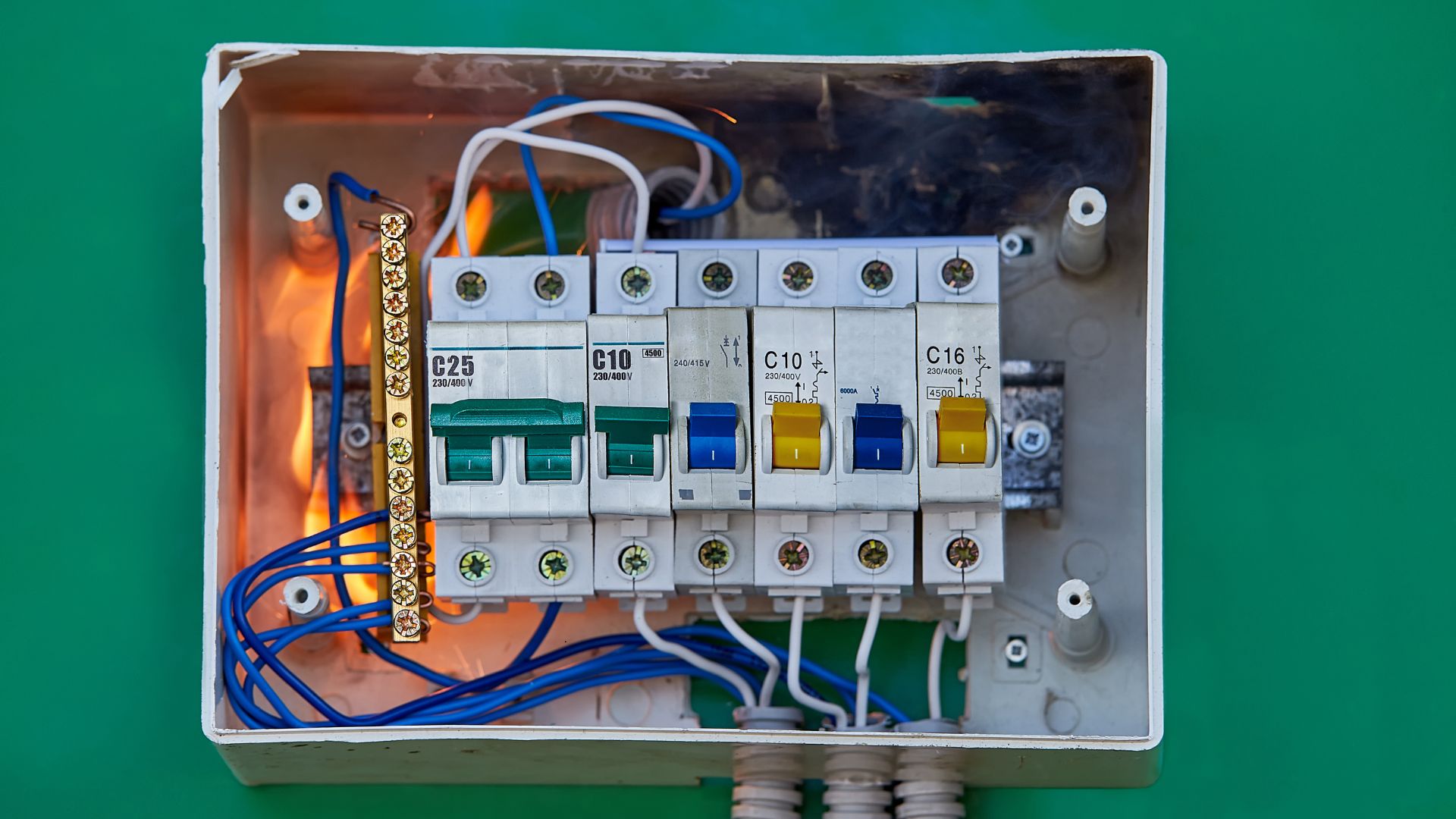
1. Humming With Burning Smell
If you smell burning plastic, rubber, or that distinctive "electrical fire" smell (acrid and sharp) alongside buzzing, you've got an immediate fire risk. Burning electrical insulation releases these smells as wires overheat. Turn off the power at your main switch if you can do so safely, and get out of the house if the smell is strong. You will need to call an emergency electrician immediately. This isn't something you wait until morning to deal with.
2. Visible Sparking or Arcing
If you see sparks or flashes of light from outlets, switches, or your switchboard, it's active electrical arcing, and it's extremely dangerous. Arcing can ignite nearby materials in seconds.
Never investigate sparking yourself, call an emergency electrician right away.
3. Loud Buzzing From Outlets or Switches
If you can clearly hear buzzing without putting your ear against the wall, that's loud enough to be a problem and indicates significant arcing or loose connections. Don't plug anything into a buzzing outlet, and don't use a buzzing switch. Even touching a faulty outlet carries a risk of shock, so leave it alone and have an electrician fix it safely.
4. Humming That Gets Progressively Louder
If the noise was barely noticeable last month but you can now hear it from another room, something's deteriorating. Connections are loosening, insulation is degrading, or components are failing. Progressive electrical problems don't fix themselves. They get worse until something fails completely or catches fire, which is why you should schedule an electrical inspection as soon as possible.
5. Humming With Flickering Lights
If you're hearing buzzing and seeing lights dim or flicker, it means inconsistent power flow through your electrical system. This could be a problem at your main service connection, with the circuit wiring, or with an overloaded breaker.
Inconsistent power isn't just hard on expensive electronics and appliances. The underlying cause (often overheating or arcing) is also a fire risk that needs professional diagnosis.
6. Humming in Walls (Not From Outlets)
Hearing electrical noise inside your walls, away from any outlet or switch, is particularly concerning. This suggests a wiring fault behind the plaster where you can't see what's happening. This is especially common in older Wollongong homes where wiring insulation has degraded over decades.
7. Warm or Hot Outlets and Switches
If an outlet or switch feels warm or hot to the touch and you also hear buzzing, that's due to excessive electrical resistance, which generates heat. This is a high fire risk situation. Unplug everything from the outlet and don't use the switch. If your RCD or RCBO feels hot, don't touch it, and call an electrician immediately.
Special Considerations for Wollongong Homes

Many Wollongong homes were built between the 1960s and 1980s, and their electrical systems are now 40-60 years old. Wiring insulation degrades over time, and the coastal environment speeds this up. Salt air causes corrosion at connection points, increasing electrical resistance and creating buzzing.
Modern power demands also exceed what these older systems were designed to handle. Air conditioning, home offices, and electric vehicle charging put heavy loads on circuits that were originally sized for a TV and a few lamps. When circuits are overloaded, they hum as they struggle to carry more current than intended.
If your home is older and you're hearing electrical noises, the root cause might be outdated infrastructure rather than a single fault.
What to Do When You Hear Electrical Humming
Immediate Assessment
Start by figuring out where the sound is coming from. Is it the switchboard, a specific outlet, inside a wall, or outside your house? The more specific you can be, the easier it is for an electrician to diagnose.
Check for warning signs while you're listening. Smell the air near the noise, carefully touch nearby surfaces to check for heat, look for flickering lights or dimming when the noise occurs, and notice if you can see any sparks or discolouration.
You also need to pay attention to when you hear it. Does it happen constantly, only at night when the house is quiet, when certain appliances are running, or randomly? The pattern helps identify what's causing it.
When to Call an Emergency Electrician Immediately
Contact an emergency electrician right now if you notice:
- Any burning smell with electrical noise
- Visible sparking or arcing anywhere
- Hot outlets, switches, or switchboard surfaces
- Loud buzzing from an RCBO or RCD
- Any situation that makes you genuinely worried about safety
Trust your instincts. If something feels dangerous, treat it as dangerous.
When to Schedule a Routine Inspection
Book an electrical inspection (not emergency, but soon) if you hear:
- Persistent humming without immediate danger signs
- Intermittent sounds you can't identify or locate
- Buzzing that's changed over time, but isn't accompanied by heat or smell
- Any electrical noise that keeps you awake, wondering if it's normal
What NOT to Do
- Don't open your switchboard yourself. The live connections inside can kill you.
- Don't ignore persistent electrical sounds, hoping they'll go away. They won't.
- Don't investigate inside walls or behind outlets unless you're qualified. You could make the problem worse or get shocked.
- Don't assume humming is "just normal" without professional confirmation. Guessing wrong has serious consequences.
Why Professional Electrical Diagnosis Matters
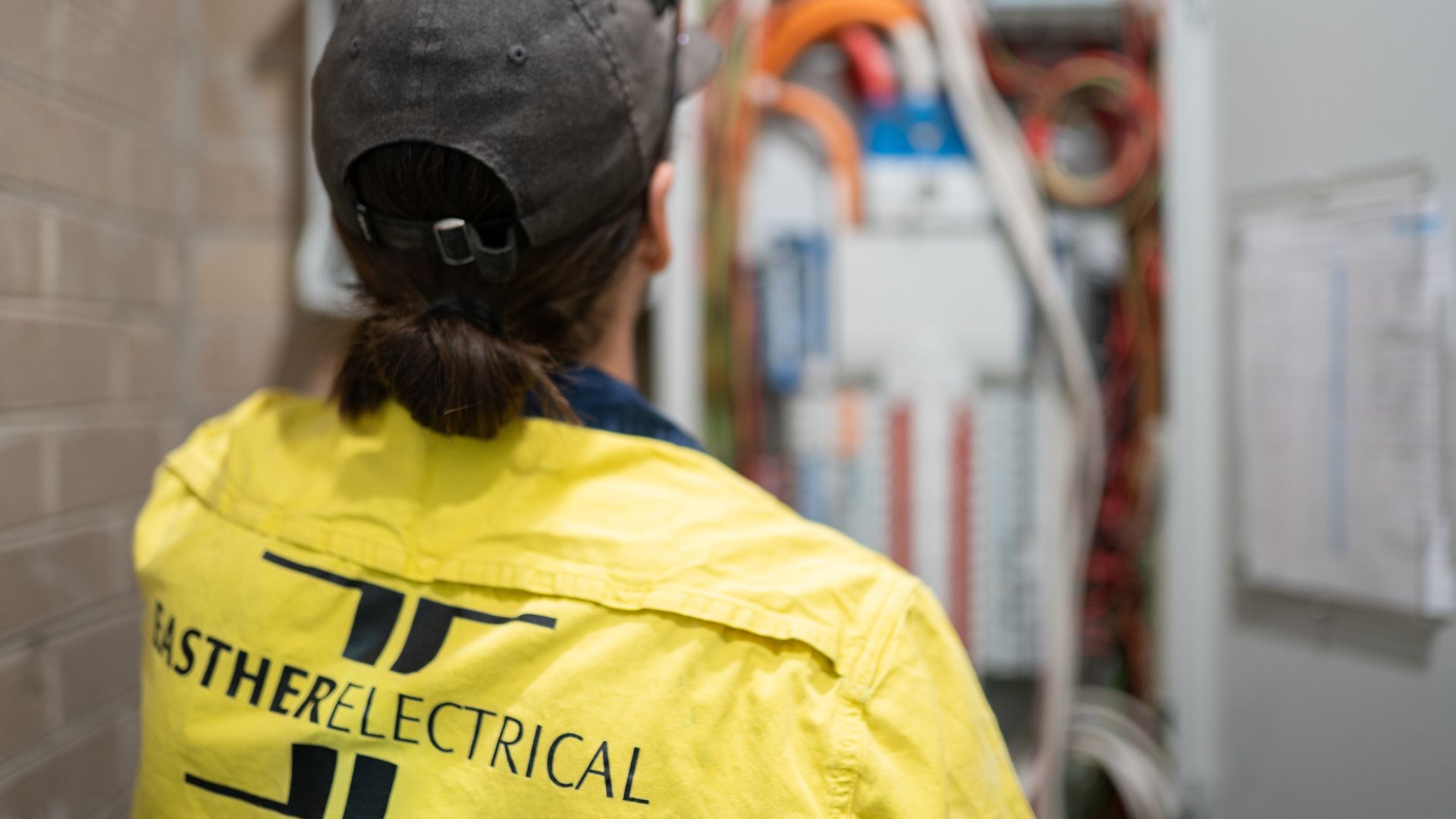
Licensed electricians don't just listen and guess. They use thermal imaging cameras to identify hot spots invisible to the naked eye, and they test circuits with multimeters to measure voltage, current, and resistance.
More importantly, they know how to safely open switchboards and investigate wiring without creating new hazards or worsening existing problems.
An experienced electrician can also tell the difference between sounds that mean immediate danger and sounds that suggest preventive maintenance is needed. They understand Wollongong's electrical infrastructure, common issues in the local housing stock, and how coastal conditions affect electrical systems differently from those in inland properties.
A professional inspection is a complete assessment of your electrical system that identifies any other developing problems and gives you the full picture of what's going on. If something goes wrong during the inspection, licensed electrical work is covered by insurance. DIY investigation doesn't give you that protection.
Don't Leave Electrical Noises to Chance
Some electrical humming is completely normal. Street transformers hum, appliances hum, and a very faint sound from your switchboard under heavy load is just household electricity at work.
But other electrical noise points to loose connections, arcing, overloaded circuits, or deteriorating wiring. These problems don't improve on their own, instead they get worse over time until something fails or causes a fire.
If you're hearing electrical sounds that worry you, get them checked. Sometimes it's a minor issue that's easy to fix. Other times, it's a serious problem that would have caused a fire if it had been left for another month. Either way, you'll know what you're dealing with instead of lying awake at 2 am wondering if your house is safe.
Contact Easther Electrical for electrical diagnostics in Wollongong. We'll identify what's making the noise, explain what's happening, and fix it properly.
Have you ever opened your electricity bill and nearly fallen off your chair? While sudden spikes in energy use are often caused by seasonal changes or appliance usage, a faulty electricity meter could also be to blame. Then there’s the confusion of staring at the switchboard, wondering how to tell if something’s wrong without cutting power to the whole house. As electricity meters age, they can develop faults, and we’re seeing more call-outs from homeowners baffled by unusual usage they can’t explain.
Read on to learn more about spotting a faulty meter, what to do about it, and who to contact to get it sorted.
Signs Your Electricity Meter Might Be Faulty
So, how do you know if your electricity meter is the culprit? There are a few ways to tell—some obvious, others a bit sneaky.
As we already mentioned, the most common sign is when your power bills don’t make sense. If you’ve noticed a sudden spike (or drop) from your estimated bills without a clear reason (e.g. no new gigantic flat screen TV in use), it could mean your meter isn’t measuring correctly.

Another common sign we see is that the meter display is blank or glitchy. That's a fairly obvious red flag, as your meter should always be clearly showing your usage. Another significant one is frequent power cuts or flickering lights. While this can relate to wiring issues, a meter fault can also cause power outages in your home.
Finally, a less common cause is appliances acting up, such as lights dimming, fridges cycling strangely, or other devices misbehaving, which might mean the electricity flow is being disrupted, possibly due to an existing meter fault.
However, other causes of flickering lights include loose or damaged wiring, faulty switches, and localised circuit overload. You can learn more about the signs that your home may need electrical updates here.
How to Troubleshoot a Faulty Electricity Meter
So, you now suspect you have a faulty meter, but how can you be sure without accidentally shutting off your whole house? Here’s how to troubleshoot, step-by-step:
Step 1: Inspect the meter display
First things first, check if the screen is working properly. Look for blank displays, flickering numbers, or unusual error codes. If the display seems frozen or unreadable, that’s an early warning sign—especially if you have solar panels, since meters not designed for two-way energy flow can glitch when handling solar export data.
Step 2: Turn off all major appliances
Switch off your lights, air con, dishwasher, anything that draws power. Then check if your meter is still ticking over. If it’s recording usage even when nothing is running, something is not right. This is particularly important for solar households; if the sun’s out and you're generating electricity, a compatible smart meter should show exported energy, not consumption.
Step 3: Monitor appliance behaviour
Turn the main appliances back on. Notice flickering lights, inconsistent power, or appliances behaving oddly? These signs could be linked to a faulty meter, but possibly also wiring issues, or it could be a sign that you need a switchboard upgrade. If you’ve got a solar PV system installed, any irregularities during daylight hours may indicate the meter isn’t correctly tracking both usage and solar feed-in.
If you're still unsure what's going on, call a trusted residential electrician in Wollongong to come and inspect.
Who to Contact About a Faulty Meter
If you think your own meter reading is off, the first step is knowing who to call. It’s not always as straightforward as people think.

Start with your energy retailer
That’s the company that sends you the electricity bill. They’re your first port of call and are responsible for organising meter inspections or replacements if needed. In most cases, they’ll liaise with the electricity distributor (the company that owns the poles, wires, and meters in your area).
Distributors handle the physical meter
You typically don’t contact your distributor directly, but your retailer will escalate the issue if the meter needs testing, repair, or replacement.
Tenants vs. homeowners – who’s responsible?
Now, what if you’re renting? Report the issue to your property manager or landlord. It’s usually their responsibility to arrange servicing or repairs. Homeowners, on the other hand, will need to deal with the retailer directly and organise access to the meter if required.
When to call a licensed electrician
If you notice exposed wiring, smell burning, or a power outage, it’s time to call in a licensed emergency electrician. That should be the first thing you do in an electrical emergency. We can check for faults within your home’s electrical system, meter reader, and ensure everything is safe, providing you with peace of mind.
The Electricity Meter Testing and Replacement Process
Contact your energy retailer to arrange a formal meter test through your energy distributor. This usually comes between $80 and $200, depending on where you're based. However, if the meter is found to be faulty, that cost is typically waived. Some retailers may also ask you over the phone to run basic troubleshooting checks before they commit to a callout.
Once the test is scheduled, it can take a few weeks to receive the results. If the meter is confirmed to be faulty, your distributor will replace it, possibly with a new smart meter and usually at no additional charge. Additionally, your billing may be adjusted accordingly against your estimated meter readings if you’ve been overcharged. While the process can feel slow, knowing what to expect helps you prepare and practice patience.
Legal Rights and Responsibilities
It's important to note, that as a consumer in Australia, you are protected under the Australian Energy Regulator (AER), which ensures fair treatment when it comes to billing, metering, and electricity supply. If you believe your meter is faulty or your bill is inaccurate, you have the right to request a test and dispute the charges. If you receive a high bill you believe is incorrect, lodge a formal dispute with your retailer.
And if unresolved, escalate it to your state or territory’s energy ombudsman.
Typically, your energy retailer coordinates any meter testing with the electricity distributor. If you're a tenant, your landlord is responsible for ensuring the meter is operating properly. And if a test confirms the meter is faulty, you shouldn’t have to pay the testing fee. However, if the estimated reading is correct, the cost usually falls to the person who requested the test.
Preventative Tips and Final Advice

The best way to avoid the stress of a faulty electricity meter is to stay proactive. Regularly check your power bills for unusual spikes or drops, and maintain safe, clear access to your electricity meter in case technicians need to inspect or replace it. It’s also wise to keep records of any communication with your energy provider, including dates and details of calls or emails, especially if you've raised concerns.
A great preventative step if you install solar panels is to ensure you get your new and replacement meters upgraded to a compatible smart meter during the installation process.
If you're still unsure or suspect a fault, don’t wait. Contact Easther Electrical for expert advice or professional assistance. Our licensed electricians can help identify and resolve metering issues quickly and safely.
Frequently Asked Questions
What if my meter is faulty?
If your actual meter read is off, contact your energy retailer to report the issue—they can arrange for a test or inspection.
How to fix a faulty electricity meter in Australia?
Only your energy provider or a licensed electrician can repair a faulty meter or install a replacement.
What to do when your electricity meter is not working?
Check for visible errors, compare recent bills, and contact your electricity retailer to investigate or request a meter test.
Is it possible for a meter reading to be wrong?
Yes, human error, technical faults, or communication issues can result in incorrect readings.
Sounds intense, the phrase electrical emergency! But don’t panic; it’s often as simple as the lights going out unexpectedly or hearing a strange buzzing near the switchboard. And we've got your back.
We're here to help you know how to act fast, stay safe, and make quick and calm decisions that could prevent fires, serious injury, and costly damage.
Our guide breaks down the immediate steps you should take, explains the most common warning signs, and shows you when it’s time to call a licensed emergency electrician.
Step-by-Step: What to Do Immediately

When you’re faced with an electrical emergency, stay calm and take the right steps quickly. It can make all the difference. Whether it’s a strange burning smell, a buzzing switchboard, or visible smoke, your priority is "safety first". Protect yourself and others. Here’s what you need to do during an electrical hazard:
- Turn off the main power supply at the switchboard electrical system— look for the switch labelled “Main” or “Main Switch”.
- Do not touch any affected electrical appliances, power points, or cords.
- Evacuate the premises immediately if you see smoke, flames, or smell burning.
- Call the emergency service number 000 if there is a fire or injury.
- Contact a licensed emergency electrician — many operate 24/7 and can respond quickly to restore safety and power.
Once help is on the way, keep a safe distance and avoid re-entering the premises until it's confirmed safe by emergency assistance or your electrician. If an accident happens and someone is harmed, such as gone into cardiac arrest from electrical currents, help them wherever possible if you have first aid training until medical professionals arrive. If the victim is not breathing, start cardiopulmonary resuscitation (perform CPR) until the ambulance arrives.
Recognising an Electrical Emergency
Okay, are you ready? Here's how to know if the alarm bells are ringing in an electrical emergency (literally or figuratively). Some signs are obvious, like smoke or sparks coming from a power point or an actual smoke alarm ringing! Others are more subtle but just as serious: flickering lights, a persistent burning smell, or popping or buzzing sounds near switches or outlets.
You might also notice tingling when you touch appliances, which could mean a dangerous grounding issue. A sudden loss of power or repeatedly tripped circuit breakers can also signal something has gone awry. If any of these sound familiar, it’s time to call an emergency electrician.
Types of Electrical Emergencies and Common Injuries
Here are your most typical electrical emergencies and what causes them, plus how to deal with the risk of electrical issues safely.
1 - Electric Shocks
Faulty appliances are the biggest culprits when an electric shock occurs, and sometimes exposed wiring of extension cords or damaged outlets when they come into contact with the human body. It's not pleasant. It shocks you on two levels—first, the electrical shock itself. Second, the shock of just being shocked. Even a mild shock can be a warning sign of deeper electrical faults. If you receive a shock, turn off the power at the mains to prevent further damage and call a licensed electrician to investigate the cause.
2 - Fallen Power Lines
Power lines can be brought down by big storms and very strong winds, especially in places like New South Wales and Queensland. These emergency situations pose a serious risk of electrocution even without visible sparks. Never go near fallen overhead power lines. Stay at least 8 metres away from fallen power lines and all conductive materials, call emergency services, and report it to your local electricity provider.
3 - Electrical Fires

Often caused by overloaded circuits, faulty appliances, or ageing wiring, electrical fires can ignite behind walls. They can also occur inside faulty switchboards or other devices such as e-bike batteries. Warning signs include discoloured outlets, visible smoke, or a burning plastic smell that is distinctively different from a regular fire.
On that note, never use water to extinguish an electrical fire. Water conducts electricity and can electrocute you. That's what the foam extinguishers are for, known as Class C or multi-purpose dry chemical fire extinguishers. Use this if it's available and safe to do so. If the fire is spreading or you’re unsure, evacuate immediately and call 000.
What NOT to Do During an Electrical Emergency
In the heat of the moment, it’s easy to make snap decisions, but some actions can make things worse.
Here are the key things to avoid when dealing with electrical safety:
- Don’t pour water on electrical fires: It’s worth mentioning twice, as water conducts electricity and can make the situation far more dangerous.
- Don’t try DIY fixes: Without proper training, you could worsen the problem or put yourself at serious risk.
- Don’t ignore warning signs: Like buzzing sounds, burning smells, or repeated tripped breakers. They’re telling you something is very wrong with your electrical equipment.
Knowing what not to do is just as important as knowing the correct steps. By avoiding these mistakes, you’ll protect your home, but most of all you protect yourself and your loved ones, as well as your peace of mind.
When to Call an Emergency Electrician
So, how do you know it’s time to get on the phone with an emergency electrician? If your home is the only one on the street without power, that’s a red flag. Other electrical issues to look out for are:
- Burnt outlets or power source;
- Melted wires;
- Faulty wiring;
- A distinct burning smell from an electrical source;
- Feeling serious electric shocks or tingles when you touch electrical devices;
- Circuit breakers that trip constantly.
These are all strong indicators that something is not right behind the scenes. Don’t ignore them. It's time to call an emergency electrician.
Preventing Future Electrical Emergencies
Preventing electrical emergencies starts with a thorough inspection by a licensed electrician to catch issues early. They can also install surge protectors helps guard against sudden voltage spikes, or safety switches that add an extra layer of protection by cutting power during faults. These can provide peace of mind, making the investment with it in itself.

If your home has outdated wiring or aged switchboards, it’s wise to have them replaced to reduce fire risks and improve safety. A few proactive steps today can help you avoid dangerous situations tomorrow.
Need Help Now?
If you’re facing an electrical emergency, don’t wait. If there's a serious fire, call Australia's primary emergency number 000. For all else, call the experts at Easther Electrical on 02 9052 0873.
Our fully licensed electricians offer fast, 24/7 emergency response across the Illawarra and South Coast regions. Whether it’s a power outage, burning smell, or sparking outlet, we’re here to keep your home or business safe. Reach out now and let our trusted team take care of it.
Electrical safety should always be a number one priority, whether it is in the home or in a commercial business setting. The potential dangers of everyday electricity are instilled in us from childhood, but what happens when things go wrong?
Faulty wiring, electrical shocks, and strange noises and smells all constitute electrical emergencies.
And for that, you need an emergency electrician. Unlike other DIY projects, you should never attempt electrical work yourself, especially in an electrical emergency. Emergency electricians are available 24 hours a day, 7 days a week, and have the expertise and experience to diagnose your emergency and resolve it as soon as possible.
Don't wait; if you experience any of the following signs, contact emergency electrical services immediately.
What is an Electrical Emergency?
An electrical emergency is a fault in your circuits and wiring that causes a risk to people and property through fire, electrical shock, or other damage. An emergency can be caused by faulty wiring, damage to circuitry, or the eventual result of wear and tear.
Whatever the cause, it's important to move fast, as electrical emergencies represent a real danger, both to yourself and your family, but also to your house and its circuitry and as well as your electrical appliances.
Why You Should Never Ignore Electrical Emergencies
If you can, flick the safety switch in your power box to cut electricity and call a 24/7 emergency electrician immediately. Timely action matters with electrical emergencies, as electrical faults can cause damage to circuits and appliances, resulting in shocks and injury, and even start electrical fires.

By the time you notice some of the following signs, there is a likely real damage has been done and will continue to worsen until the problem is resolved.
Call an Emergency Electrician When you Notice These Signs
1. Frequent Circuit Breaker Trips
The occasional circuit breaker trip can happen from time to time, but if the safety switch is shutting off more regularly, it could be a sign of damage within your wiring. Circuit breakers can trip for a few different reasons. The first is a faulty appliance. If your circuit cuts out every time you use a certain appliance, it may just be that the appliance needs replacing. If not, it could indicate serious wiring issues.
An overloaded circuit is when too many appliances are plugged into a single circuit, causing the trip to prevent overheating and damage to the wiring. This can cause flickering lights, smells of burning plastic or metal, and wires that are warm to the touch. A short circuit is when a hot wire touches a neutral or ground wire, which is a result of worn-out insulation and loose wiring.
2. Burning Smell or Scorch Marks
Smells of burning plastic or metal can indicate that something is melted or operating at too high a temperature and voltage. Identify the source through smell or sighting scorch marks on outlets or against walls. If you notice scorch marks, shut off your power and immediately call an emergency electrician as there are potential risks like fire hazards and further damage to wiring and outlets.
3. Flickering or Dimming Lights
One flickering light is generally a bulb issue, but if all the lights in your house are flickering or dimming constantly, it could be a sign of a faulty wiring connection or overloaded circuits. It can also be a sign of loose or faulty wiring that is not providing a secure connection. Loose wiring can cause sparks or arcing to develop, which can also cause fire risks.
4. Electrical Shocks from Outlets or Appliances
If you feel a zap whenever you touch a metal household appliance or tap, you must immediately call an emergency electrician. It means there is potential danger likely due to improper earthing. When electricity does not have a proper path to reach the ground, it can jump to the nearest available thing—your hand or finger.

Even minor shocks are concerning as they can become more powerful over time as the initial issue worsens without an electrician's urgent intervention.
5. Power Outages in One Area of the Property
Overloaded circuits and wiring issues are both possible causes of power outages in just one area of the property. The wiring may have come loose or become disconnected or too much demand may have overloaded a part of the circuit and potentially damaged a circuit component.
Restoring the power supply requires prompt repair as live wires that have come loose present a danger to both anything they touch and anything else flammable they can reach.
6. Buzzing or Humming Noises
Issues such as short circuits produce sparks and popping sounds, which can create a potential electrical fire hazard, especially inside the walls of a modern home. If you hear these noises coming from a switch or electrical outlet, they might also indicate a loose wire, local circuit overload, or a wire grounding to something it shouldn't, which can cause damage to household appliances or an electric shock when plugging something in.
7. Hot Outlets or Switches
If you can feel heat radiating from electrical outlets, switches, or even appliance cables, immediately switch them off and unplug anything attached. If heat continues to radiate after a few minutes, flick the home safety switch and immediately call an emergency electrician.
Overheating circuitry is a potential electrical fire risk and it does not take long for heat to melt plastic components and compromise the integrity of connections. If you detect heat, it may be a sign that electrical fires are not far away, so take immediate action.
8. Faulty Wiring or Loose Components
These issues are typically more common when buying an older home or after a renovation, as age or direct intervention can interrupt the original workings of the electrical circuits. If you notice wiring that is faulty, outdated wiring, or components that have come loose, isolate the area and warn anyone else nearby.
Cut the power supply to the area and call an electrician immediately to assess the situation.
What to Do Before Calling an Emergency Electrician
Whenever you notice any of the above signs of an electrical emergency, the first thing to do is isolate the area and warn anybody nearby not to go near or touch the outlet, switch, or other component. Next, turn off the power supply to the property by flicking off the safety switch found in the electrical box.
Then call an emergency electrician immediately to come and assess the job. A good emergency electrician, like our experienced team at Easther Electrical, is available 24 hours a day and 7 days a week.
So, don't wait until morning. Keep your family and home safe by cutting the power and waiting for the emergency services of a qualified electrician.

Electrical Emergency FAQs
Should I try fixing minor electrical issues myself?
Absolutely not. The danger of working with home electrical circuits must be left to the professionals. The voltage of a home's electrical system is more than enough to cause serious injury or lethal consequences.
How do I find a reliable emergency electrician near me?
To find emergency electrical services that are reliable and trustworthy, make sure you are dealing with a qualified electrician by checking their website information and online reviews. For a reliable Wollongong electrician, contact the team at Easther Electrical for experience in emergency situations.
How do I know when to call an electrician?
If you are experiencing any of the electrical problems above, from power surges to exposed wires, seeing your lights flicker or tripping circuit breakers, contact an emergency electrician to prevent further damage to your home electrical wiring and circuitry. Electrical faults are not a joke and even if you detect them in the middle of the night, we urge you to pick up the phone and make a call.
Don't Delay Your Electrical Needs
Electrical emergencies happen and can often happen without much warning. However, learning the signs above is your best bet for detecting common electrical emergencies and preserving your home's wiring.
Electrical sparks are extremely dangerous and can cause severe injury and create a potential fire hazard, electrical surges can damage household appliances, and power outages or damaged power outlets can be the warning signs that something dangerous is happening hidden away behind the walls.
These situations require your immediate attention and the immediate support of a licensed electrician. Don't hesitate on what can be substantial safety risks. Contact an Easther Electrical emergency electrician for a safe, professional, and prompt service.
For information on common electrical issues, their causes, and the steps you can take to address them, view our blog here.