
What Electrical Humming Sounds Like and When to Be Concerned

You're lying in bed at 2 am and there it is again, that faint buzzing sound coming from somewhere in the walls. Or maybe you've noticed a low hum near your switchboard that wasn't there before. Is it normal? Is it dangerous? Should you call someone right now or wait until morning?
Electrical noises are unsettling because most of us don't know what's normal and what's a warning sign. As licensed electricians working throughout Wollongong and the Illawarra, we regularly diagnose electrical faults. Some humming is completely harmless, but some requires immediate attention.
Here's what you're hearing and when to worry about it.
What Does Electrical Humming Sound Like?
Electrical humming isn't just one sound. Different problems create different noises.
| Sound Type | What It Sounds Like | Normal or Concern? |
| Low frequency hum (50Hz) | Steady drone, fluorescent light buzz | Often normal |
| High-pitched buzzing | Angry bees, mosquito in your ear | Usually a problem |
| Crackling/sizzling | Bacon frying | Dangerous |
| Intermittent buzzing | Comes and goes randomly | Needs checking |
| Loud switchboard humming | Hear it across the room | Serious issue |
Australia's electrical system runs at 50Hz, so some low-frequency sound is just electricity doing its job. That steady hum from a street transformer or a very faint drone near your switchboard when the air conditioner kicks on is normal.
High-pitched buzzing is where things get concerning. This typically means arcing, where electricity jumps small gaps instead of flowing through connected wires. Crackling or sizzling also suggests arcing. Both are dangerous because they generate heat in enclosed spaces.
The pattern tells you a lot about whether you need to worry. Constant humming from the same source (transformers, appliance motors) is often fine. However, if the buzzing comes and goes when you flip switches or use certain devices, that points to a connection problem somewhere in your circuit.
If the noise gets progressively louder, it means something's deteriorating. But if you only notice it at night when everything's quiet, you might just be hearing normal household electricity for the first time.
Electrical sounds maintain a steady, consistent pitch, unlike plumbing noises (gurgles, rattles) or structural sounds (creaks) that vary with activity.
5 Common Causes of Electrical Humming in Wollongong Homes
1. Electrical Transformers (Normal)
If you hear a steady low hum outdoors or near your property boundary, that's most likely a street transformer. Wollongong suburbs have both pole-mounted and pad-mounted transformers, and they all hum to some degree. The humming comes from magnetostriction. When alternating current flows through the transformer's metal core, the metal expands and contracts with each cycle, creating vibrations you can hear as a low hum.
A steady hum that doesn't change much is normal. But if a street transformer suddenly gets much louder or develops a harsh buzzing quality, contact Endeavour Energy. That could indicate a problem with the transformer itself.
2. Main Switchboard
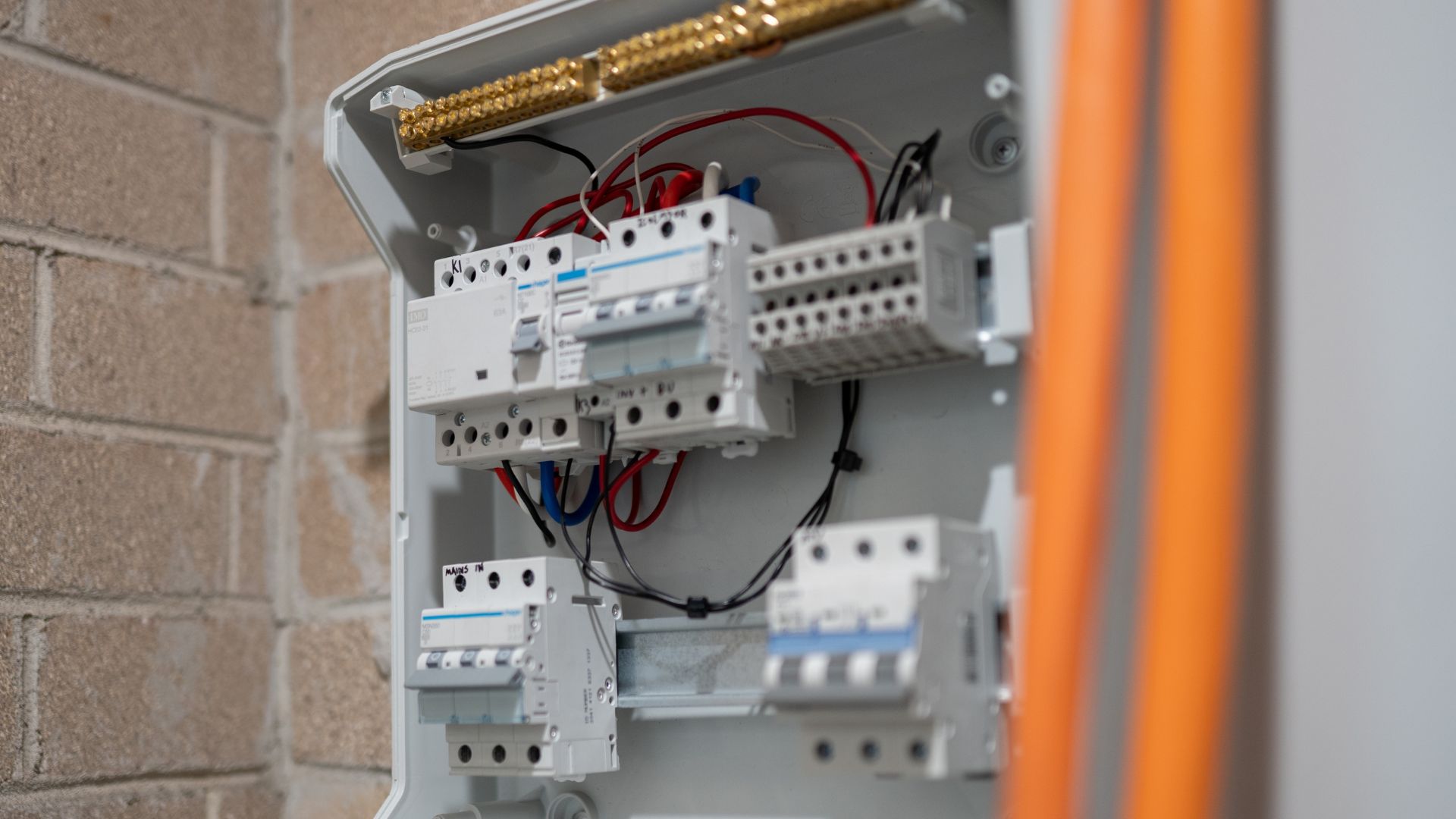
Your switchboard should be relatively quiet. If you put your ear right up to the switchboard, you might hear a very faint hum when heavy appliances are running, which is normal.
Loud buzzing from your switchboard is a different story. This points to loose connections within the switchboard, a failing circuit breaker, or an overloaded circuit that cannot handle the power demand. Loose connections create heat, which increases the risk of fire.
If you hear your switchboard buzzing from across the room, that's a serious electrical issue that needs professional attention.
3. Electrical Outlets and Switches
Outlets and switches should be silent. A buzzing sound from an outlet or switch indicates arcing behind the wall plate. Electricity is jumping across a gap instead of flowing smoothly through connected wires.
Common causes include loose wiring connections at the back of the outlet, worn internal components, or damage to wiring from age or pests. This is particularly dangerous because the arcing generates heat in an enclosed space, and any damaged insulation near the spark can ignite.
It is advised to never ignore a buzzing outlet. Even if it still works fine, the noise means there's a problem that will get worse.
4. Light Fixtures and Dimmer Switch Issues
Some light fixture humming is annoying but generally not dangerous. LED globes paired with older dimmer switches often buzz because the dimmer wasn't designed for LED technology. Fluorescent lights hum because of their ballasts. Even a loose globe can vibrate and create noise.
Try tightening the globe first (when the light is off and cool) to see if that fixes it. But if the buzzing continues or changes when you adjust the dimmer, the issue might be poor wiring connections. That's when you need an experienced electrician to investigate properly.
5. Appliances and Electronics
Refrigerators hum, air conditioning units buzz, and some electronics emit a faint high-pitched whine. Most of this is just normal operation from motors, compressors, and transformers doing their job.
What matters is whether the noise has changed. A fridge that's always humming the same way is probably fine. But if it suddenly starts buzzing loudly or making sounds it didn't make before, that could be a failing compressor or an electrical issue worth checking out.
7 Warning Signs That Electrical Humming Requires Immediate Attention
1. Humming With Burning Smell
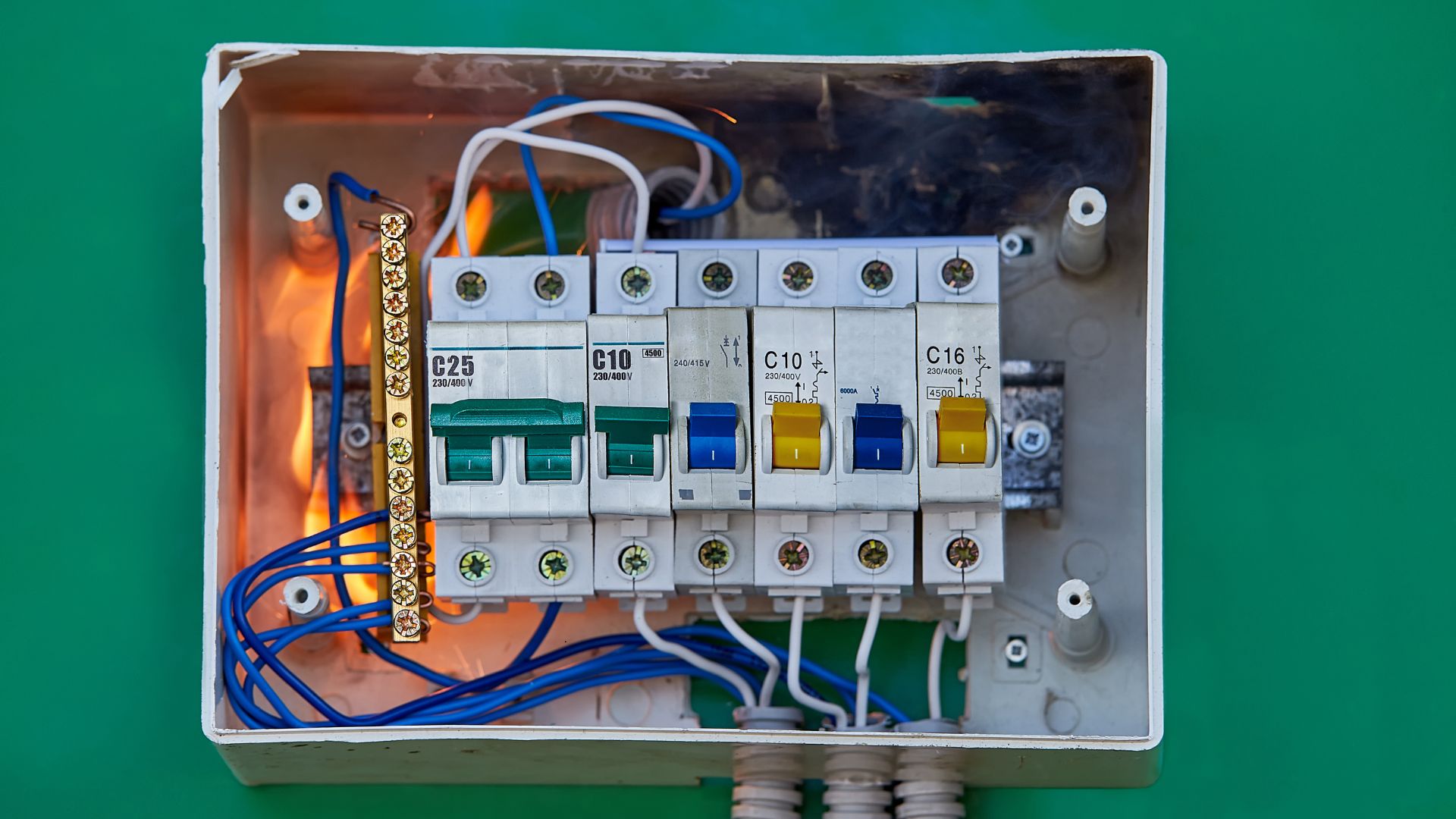
If you smell burning plastic, rubber, or that distinctive "electrical fire" smell (acrid and sharp) alongside buzzing, you've got an immediate fire risk. Burning electrical insulation releases these smells as wires overheat. Turn off the power at your main switch if you can do so safely, and get out of the house if the smell is strong. You will need to call an emergency electrician immediately. This isn't something you wait until morning to deal with.
2. Visible Sparking or Arcing
If you see sparks or flashes of light from outlets, switches, or your switchboard, it's active electrical arcing, and it's extremely dangerous. Arcing can ignite nearby materials in seconds.
Never investigate sparking yourself, call an emergency electrician right away.
3. Loud Buzzing From Outlets or Switches
If you can clearly hear buzzing without putting your ear against the wall, that's loud enough to be a problem and indicates significant arcing or loose connections. Don't plug anything into a buzzing outlet, and don't use a buzzing switch. Even touching a faulty outlet carries a risk of shock, so leave it alone and have an electrician fix it safely.
4. Humming That Gets Progressively Louder
If the noise was barely noticeable last month but you can now hear it from another room, something's deteriorating. Connections are loosening, insulation is degrading, or components are failing. Progressive electrical problems don't fix themselves. They get worse until something fails completely or catches fire, which is why you should schedule an electrical inspection as soon as possible.
5. Humming With Flickering Lights
If you're hearing buzzing and seeing lights dim or flicker, it means inconsistent power flow through your electrical system. This could be a problem at your main service connection, with the circuit wiring, or with an overloaded breaker.
Inconsistent power isn't just hard on expensive electronics and appliances. The underlying cause (often overheating or arcing) is also a fire risk that needs professional diagnosis.
6. Humming in Walls (Not From Outlets)
Hearing electrical noise inside your walls, away from any outlet or switch, is particularly concerning. This suggests a wiring fault behind the plaster where you can't see what's happening. This is especially common in older Wollongong homes where wiring insulation has degraded over decades.
7. Warm or Hot Outlets and Switches
If an outlet or switch feels warm or hot to the touch and you also hear buzzing, that's due to excessive electrical resistance, which generates heat. This is a high fire risk situation. Unplug everything from the outlet and don't use the switch. If your RCD or RCBO feels hot, don't touch it, and call an electrician immediately.
Special Considerations for Wollongong Homes

Many Wollongong homes were built between the 1960s and 1980s, and their electrical systems are now 40-60 years old. Wiring insulation degrades over time, and the coastal environment speeds this up. Salt air causes corrosion at connection points, increasing electrical resistance and creating buzzing.
Modern power demands also exceed what these older systems were designed to handle. Air conditioning, home offices, and electric vehicle charging put heavy loads on circuits that were originally sized for a TV and a few lamps. When circuits are overloaded, they hum as they struggle to carry more current than intended.
If your home is older and you're hearing electrical noises, the root cause might be outdated infrastructure rather than a single fault.
What to Do When You Hear Electrical Humming
Immediate Assessment
Start by figuring out where the sound is coming from. Is it the switchboard, a specific outlet, inside a wall, or outside your house? The more specific you can be, the easier it is for an electrician to diagnose.
Check for warning signs while you're listening. Smell the air near the noise, carefully touch nearby surfaces to check for heat, look for flickering lights or dimming when the noise occurs, and notice if you can see any sparks or discolouration.
You also need to pay attention to when you hear it. Does it happen constantly, only at night when the house is quiet, when certain appliances are running, or randomly? The pattern helps identify what's causing it.
When to Call an Emergency Electrician Immediately
Contact an emergency electrician right now if you notice:
- Any burning smell with electrical noise
- Visible sparking or arcing anywhere
- Hot outlets, switches, or switchboard surfaces
- Loud buzzing from an RCBO or RCD
- Any situation that makes you genuinely worried about safety
Trust your instincts. If something feels dangerous, treat it as dangerous.
When to Schedule a Routine Inspection
Book an electrical inspection (not emergency, but soon) if you hear:
- Persistent humming without immediate danger signs
- Intermittent sounds you can't identify or locate
- Buzzing that's changed over time, but isn't accompanied by heat or smell
- Any electrical noise that keeps you awake, wondering if it's normal
What NOT to Do
- Don't open your switchboard yourself. The live connections inside can kill you.
- Don't ignore persistent electrical sounds, hoping they'll go away. They won't.
- Don't investigate inside walls or behind outlets unless you're qualified. You could make the problem worse or get shocked.
- Don't assume humming is "just normal" without professional confirmation. Guessing wrong has serious consequences.
Why Professional Electrical Diagnosis Matters
Licensed electricians don't just listen and guess. They use thermal imaging cameras to identify hot spots invisible to the naked eye, and they test circuits with multimeters to measure voltage, current, and resistance.
More importantly, they know how to safely open switchboards and investigate wiring without creating new hazards or worsening existing problems.
An experienced electrician can also tell the difference between sounds that mean immediate danger and sounds that suggest preventive maintenance is needed. They understand Wollongong's electrical infrastructure, common issues in the local housing stock, and how coastal conditions affect electrical systems differently from those in inland properties.
A professional inspection is a complete assessment of your electrical system that identifies any other developing problems and gives you the full picture of what's going on. If something goes wrong during the inspection, licensed electrical work is covered by insurance. DIY investigation doesn't give you that protection.
Don't Leave Electrical Noises to Chance
Some electrical humming is completely normal. Street transformers hum, appliances hum, and a very faint sound from your switchboard under heavy load is just household electricity at work.
But other electrical noise points to loose connections, arcing, overloaded circuits, or deteriorating wiring. These problems don't improve on their own, instead they get worse over time until something fails or causes a fire.
If you're hearing electrical sounds that worry you, get them checked. Sometimes it's a minor issue that's easy to fix. Other times, it's a serious problem that would have caused a fire if it had been left for another month. Either way, you'll know what you're dealing with instead of lying awake at 2 am wondering if your house is safe.
Contact Easther Electrical for electrical diagnostics in Wollongong. We'll identify what's making the noise, explain what's happening, and fix it properly.