
Why Ceiling Fan Installation Should Be Left to an Electrician
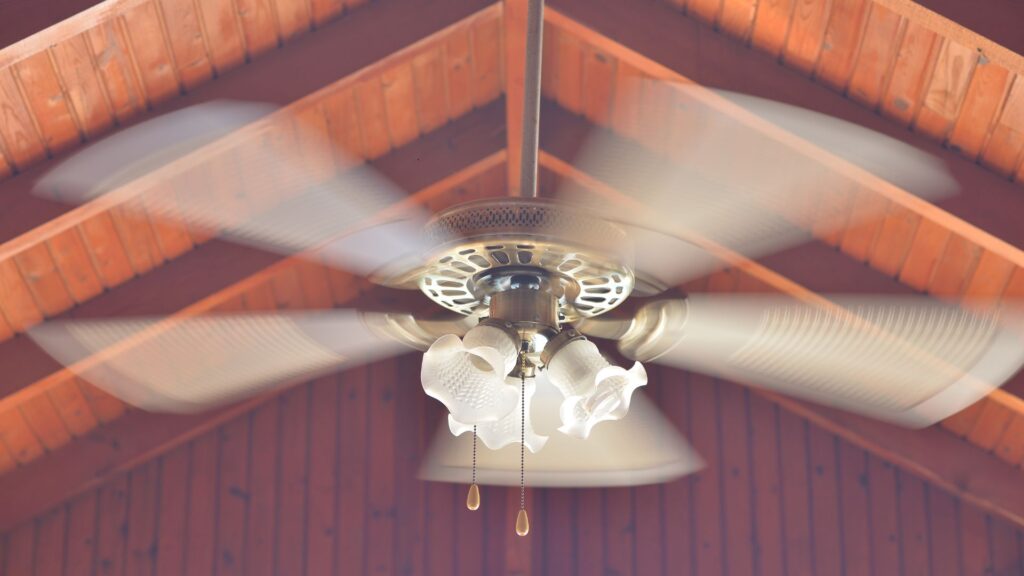
On scorching summer days, ceiling fans are an affordable way to cool off, costing only a few cents per hour to run. In winter, they improve warm air circulation, making it cheaper to heat our homes with air conditioners. However, their low price point doesn't mean you should skimp on the cost of a licensed electrician for ceiling fan installation.
Fan installation isn't a DIY job. Here's why this sort of electrical work should be left to the professionals.
The Dangers of DIY Ceiling Fan Installation
Australian electrical regulations stipulate that ceiling fans are prescribed devices under the AS/NZS3000 wiring rules. This means they need testing and certification by a licensed electrician.
Installing a ceiling fan yourself can leave you at risk of damaging your electrical system. Accidentally overloading circuits or faulty electrical connections could cause a fire in your home and put you and your family at risk of electric shocks. DIY installation can damage both the fan and the ceiling and is likely to lead to costly future repairs, particularly if the fan isn't mounted correctly. Lastly, qualified electricians understand the best way to assess the space a ceiling fan requires so that it's positioned for maximum energy efficiency.
Therefore, not only is DIY ceiling fan installation not safe, but it can also end up costing you more in the long run.
Why You Need a Licensed Electrician
When you have a new ceiling fan installed, an electrician will perform a range of electrical safety checks, assessing the existing wiring and performing any necessary upgrades. They will ensure that the fan is securely mounted and that it's balanced and works correctly.
There's nothing worse than a wobbly ceiling fan above your bed or a noisy fan in your living space. A professionally installed ceiling fan not only ensures optimal performance and lower energy bills, but it will also comply with national and local building codes that keep your home safe.
DIY v ceiling fans jobs for a licensed electrician
Some ceiling fan repairs, or maintenance are safe to perform yourself; these include:
- Changing the lightbulb or light shade on a ceiling fan with a light fixture
- Cleaning the exterior of the motor, mounting bracket and fan blades with a soft, dry cloth
Some ceiling fan work will require a licensed electrician to do the electrical work, including:
- Upgrading an existing fan
- Installing a new ceiling fan
- Installing an outdoor ceiling fan
- Replacing a ceiling fan remote control
- Replacing a wall switch
- Replacing ceiling fan blades
What's Involved in Professional Installation?
Before installation begins, your electrician will assess the best position for the new ceiling fan, considering its distance from walls (for proper airflow), its height from the floor and distance from the ceiling. Meeting these distances is necessary to ensure fan installation meets safety standards and optimal comfort and energy efficiency.
Next, they will inspect the electrical components, checking that the electrical box has proper grounding and secure wiring connections. The power to your home will need to be turned off during ceiling fan installation. If you're having a fan with a light installed, you'll need to decide if you want a dual switch, which requires extra electrical wiring, or a remote to control all functions.
Your electrician will also need to find the best location for the ceiling box or mounting bracket, which should be screwed into a ceiling joist that has structural integrity to ensure your fan won't fall from the roof due to vibration. This may involve entering the ceiling space.
As you can see, there are many considerations when installing a ceiling fan, so it's best to leave it to someone equipped with the necessary tools and proper knowledge to install your ceiling fan safely. Improper installation can be a safety hazard and will most likely result in costly repairs down the track.
Common Mistakes When Installing Ceiling Fans Yourself
From flickering lights to electric shocks, there's so much at risk if you try to install a ceiling fan yourself and you get it wrong.
Overloaded or incorrect wiring, using the wrong junction box, improper blade balancing, inadequate support and failing to turn the main power off correctly can cause a fire hazard or worse - serious injury to you or your loved ones. Don't risk it just to save a few dollars.
Where is it Safe to Install a Ceiling Fan?
Australian safety standards dictate key requirements for the positioning of ceiling fans to ensure safety while keeping rooms cool. This includes a minimum ceiling height of 2.1m from the floor to the fan blades and 300mm from the ceiling. For sloped ceilings, blades must have a minimum 15cm horizontal clearance.
Centring the fan over the main living area will help optimise air flow, but you'll also need to consider the location of light fittings, cupboards or furniture that may obstruct the fan when it's operating.
Hiring an electrician saves you from having to think about all of these factors yourself, as they are experienced in all aspects of ceiling fan installation, including positioning.
Cost vs. Consequences: Why It’s Worth Paying for a Pro
Most ceiling fan installations cost just a few hundred dollars, although this depends on whether the proper wiring is in place and if additional materials are needed for bracing. If it's a new installation, it may cost slightly more than a replacement.
However, by having your fan installed correctly according to local electrical codes, you can avoid any electrical issues that could risk your safety or damage your property. If you perform electrical work yourself, your insurance company is unlikely to pay out for any damages or injuries due to electrical hazards or faulty electrical work. Incorrect installation may also void the warranty on your fan, and if you don't know what you are doing, it may mean that cool air doesn't reach where you need it.
How to Choose the Right Electrician for Ceiling Fan Installation
For the proper installation of ceiling fans, you should ensure that your electrician is licensed. You can check this information using their electrical contractor license on your state's fair trading website. You can also check online reviews to see the experience of their past customers, and don't forget to ask them if they have experience with ceiling fan installation.
We Make Ceiling Fan Installation A Breeze
Installing a ceiling fan involves working on complex electrical services, so it's best left to a professional electrician.
At Easther Electrical, our technicians are highly experienced with ceiling fan installation. We can help you pick the right size and style of fan, and we'll think about everything that's required to make it work perfectly, from the pitch of the blades to the method of operation. No home should be without an energy-efficient ceiling fan, so call us today on (02) 4256 5899 for a free quote.
FAQs
Should an electrician install a ceiling fan?
Yes, whether it's new or a replacement, you should always have ceiling fans installed by a licensed electrician.
Do you need an electrician to change ceiling fans?
Yes, you should have a qualified electrician replace your ceiling fans, as it may require updating wiring or other complex electrical services.
Can I install a ceiling fan myself in Australia?
Australian legislation does not permit unlicensed electrical work, including installing ceiling fans.
Do you need an electrician to remove a ceiling fan?
Yes, if you need a ceiling fan removed, you should have this type of electrical work performed by a licensed electrician.