
How Does Shading Affect Solar Panels?
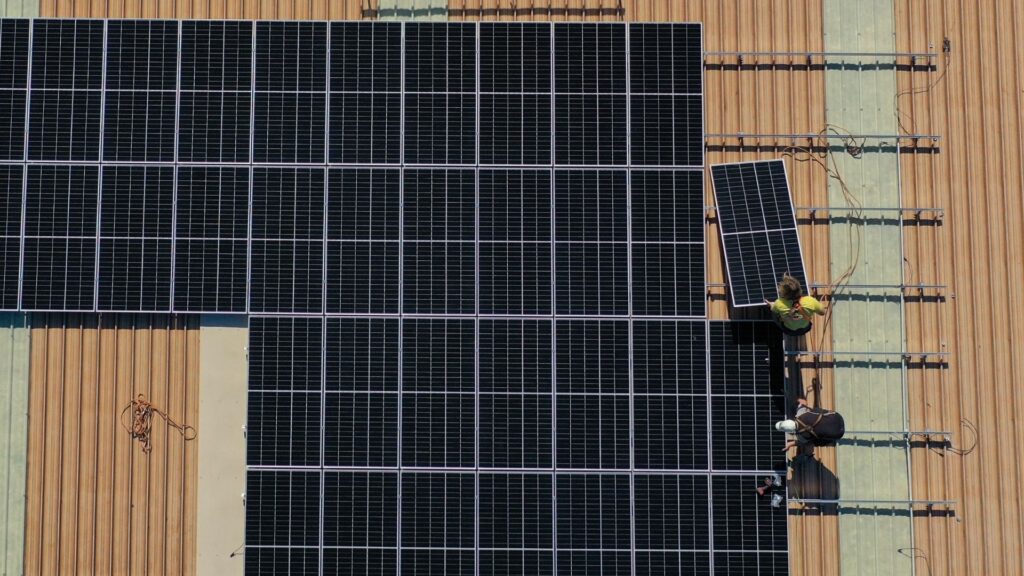
As solar energy becomes increasingly popular in sunny Australia, there's one thing to look out for—the shade. While solar panels are a fantastic way to harness clean, renewable energy and cut down on your electricity bills, even a small amount of shade can impact the energy output.
Whether it be from trees, nearby buildings, or even debris on your panels, shaded panels can lessen the efficiency of your solar system. There are plenty of ways you can combat solar panel shading though and keep your system running at its best. Let's get into it.
How Do Solar Panels Work?
The process of solar energy begins as sunlight hits the panels and photovoltaic (PV) solar cells in the multiple solar panels absorb sunlight. The sunlight excites electrons in the PV cells, creating an electric current. The panels generate direct current (DC), which flows into an inverter where it's converted into alternating current (AC). This AC electricity powers your home or business and integrates with module-level power electronics to optimise energy distribution. The Clean Energy Council states that any excess clean energy can be stored in a battery or fed into the grid.

Factors Contributing to Shading
When a shaded PV module is affected by obstructions like trees or buildings, its power output can significantly drop, impacting the efficiency of the entire solar array. Shading can come from both natural and human-made sources.
Natural Obstructions
Trees are the main culprit. As they grow, their branches and leaves can cast shadows over your panels. Weather conditions like clouds and overcast skies can also reduce sunlight exposure and power output, especially during rainy seasons.
Human-Made Obstructions
Buildings, fences, or other structures nearby may block sunlight. This is particularly common in urban areas with closely spaced properties. In this scenario, you need to think carefully about where and how you place your entire solar panel array.
Seasonal Variations
The position of the sun changes throughout the year, which can lead to more shading during certain months, especially in winter when the sun is lower in the sky.
Mitigating Shading Issues
Shading doesn’t have to be a dealbreaker for your solar system’s performance. There are a few proactive steps you can take to minimise its impact.
Start with a professional site analysis to determine the best placement for your panels. An experienced solar electrician will observe which direction your home faces and use a sun tracking method to monitor shade patterns cast throughout the day. They will know exactly where to install your solar panels to ensure they receive maximum sunlight throughout the day.
Installing micro-inverters or power optimisers can also help. These technologies allow each panel to work independently to reduce the overall impact of shading.

Finally, maintenance is crucial. Regular cleaning removes dirt, leaves, or debris that might block sunlight.
Additionally, trimming nearby trees and adjusting the angle of your panels can also help improve energy output.
Advanced Technologies to Reduce Shading Impact
There are also innovative solutions to aid you in overcoming shading challenges. Bifacial solar panels, for example, capture sunlight from both sides. This increases efficiency even in partially shaded conditions.
If one side is shaded, the other side can still capture sunlight.
Shade-tolerant panels are another game-changer, designed to minimise power loss by allowing unaffected sections to keep working. And even advanced AI now plays a role in solar energy. The tech monitors systems, identifying shading issues in real-time to help you take corrective action before the energy power system is compromised.
Bypass diodes are small but essential components built into solar panels to maintain their efficiency, especially with partial shading.
A massively popular new feature is the solar app on your phone. This smart monitoring technology allows you to track your solar PV system’s performance right from your phone, no matter where you are. These apps provide real-time insights into your solar energy production, consumption, and efficiency, helping you identify issues like shading or reduced output quickly.
Many platforms also send maintenance reminders or system updates. Managing your solar power system has never been easier!
Maximise Your Solar Potential with Easther Electrical
While shading can significantly impact the efficiency of your solar panels, with the right strategies, technologies and professional advice, you can minimise its effects and fully optimise energy output.

Get the most out of your solar investment and visit Easther Electrical to explore expert solar installation, battery solutions, and maintenance services tailored to your needs.
Frequently Asked Questions
What happens when a solar panel is shaded?
It restricts the amount of sunlight reaching the panel. As a result, it reduces the power output.
How much does shade impact solar panels?
The impact depends on the extent of shading, but even partial shade can reduce energy production significantly, sometimes by 20% or more.
What is the shadow effect on solar panels?
The shadow effect is a loss of efficiency caused by shading, as shaded cells disrupt the energy flow in the panel.
What is the distance between solar panels to avoid shading?
Panels should typically be spaced to avoid casting shadows on each other, with the distance depending on the tilt angle and the sun’s position. As a rule of thumb, this will be between 1.5 to 3 metres.
What is a solar array?
A solar array is a group of solar panels working together to generate electricity for your home or business.