
How to Prepare Your Home for an EV Charger Installation
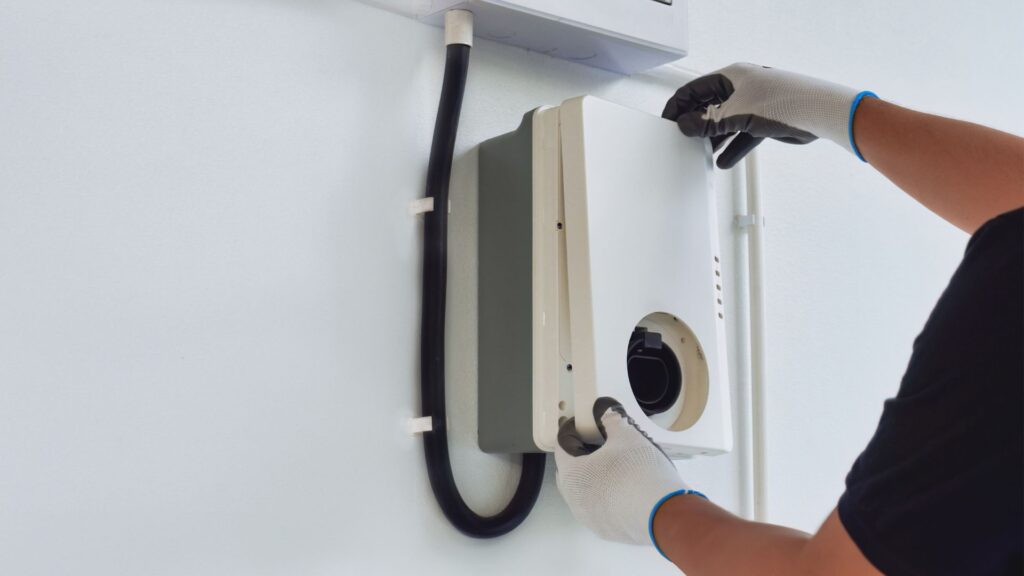
Electric vehicle sales in Australia went up 120% in 2023, and Wollongong is no different.
If you have bought an electric vehicle, your house needs to be set up properly before you can charge at home. Having a power point in the garage isn't enough.
Installing a charger can get complicated, especially in older houses. You need to figure out what your electrical system can handle, where the charger should go, what upgrades you'll need, and how much it's all going to cost.
Let's break it down.
Work Out What Kind of Charger You Need
Level 1 vs Level 2 Charging
Most people think all EV chargers are the same. They're not. There's a massive difference between Level 1 and Level 2 charging, and it affects how usable your EV actually is.
Level 1 charging uses a standard 10-amp power point. It adds around 10-15 kilometres of range per hour. That's painfully slow for most people.
Level 2 is what you want. These run at 7kW or more on a dedicated circuit. You'll get 40-50 kilometres of range per hour. A Tesla Model 3 with a 60kWh battery will take around 8-9 hours from empty to full. The same car on Level 1 takes over 24 hours.
How Much Charging Do You Actually Need?
Think about your daily driving. Most people in Wollongong cover 40-60 kilometres a day during work, school runs, and errands.
EVs use roughly 15-20kWh per 100 kilometres. If you drive 50km daily, you're using about 7.5-10kWh. A 7kW charger replaces that in 90 minutes.
Overnight charging works for most people. But if you're doing Sydney trips weekly or driving 150km+ daily, you'll need faster charging. An 11kW or 22kW charger will do the job, but these require three-phase power. Most homes only have single-phase, so you'd need an electrician to check what's possible at your place.

Formula: Daily km ÷ 100 × your EV's kWh/100km rating = daily kWh needed
Check If Your Electrical System Can Handle It
Your Switchboard Matters More Than You Think
Open your switchboard and look at the main switch. It'll show the amperage, which is usually 63A or 80A in most homes around here.
That number matters because a 7kW EV charger needs a dedicated 32A circuit. And everything else in your house is already running off that same service.
If you have any of these, it is time for an upgrade:
- Ceramic fuses instead of circuit breakers
- No safety switches installed
- Rust or corrosion anywhere
- Breakers that trip regularly
- House built before 1990
Many older Wollongong homes have outdated switchboards that can't handle an EV charger. If your switchboard is old, you'll need to upgrade it first.
Can Your Home Handle the Extra Load?
Your main switch might say 80A. At 230V, that's about 18.4kW total capacity. Add up what runs at the same time during peak hours: air con (3-5kW), oven (2-3kW), hot water (3-4kW), maybe a pool pump (1-2kW), plus general stuff (2-3kW).
You're already at 11-17kW. Add a 7kW charger and you're pushing it.
Most electricians will do a load calculation when they assess your place. We measure what your home actually uses and figure out if the existing service can handle an EV charger. If it can't, you need a service upgrade through Endeavour Energy.
Endeavour Energy upgrades take 2-4 weeks, depending on where your house sits and what work's involved.
The Dedicated Circuit Requirement
EV charging stations must run on their own circuit. Nothing else on that line.
For a 7kW charger:
- 32A circuit breaker
- Type A RCD (that's a safety switch)
- 6mm² cable minimum
- Proper earthing and protection
Cable size goes up if you're running a long distance from the switchboard to where the charger sits. Your electrician calculates this based on Australian Standard AS/NZS 3008 to prevent voltage drop.
In NSW, safety switches are mandatory. If your board doesn't have them, they must be installed along with your home EV charger.
Where Should the Charger Actually Go?
Garage or Outside?
Most people put chargers in the garage or under a carport. It's protected, usually close to the switchboard, and keeps everything tidy.
You can install outside, but you need the right IP rating. With Wollongong's coastal climate, you want at least IP54, better yet IP65. Otherwise, you'll get corrosion and water damage.
Garages work better for most people because:
- No weather exposure
- Usually closer to the switchboard (cheaper installation)
- Easier cable management
- Charger lasts longer
Installing the charger outdoors makes sense if you park on the street side of your house, or your garage is nowhere near where you actually park.
Distance from the Switchboard Changes the Price
Every metre of cable adds cost. If the EV charger is being installed close to your switchboard (10-15 metres), it is an easy job. Further out will cost you more. Long distances mean more work: trenching, protective conduit, junction boxes, or upgraded cable to handle voltage drop.
The maximum practical distance is about 50 metres for residential jobs. Beyond that, you get a significant voltage drop even with big cables, and the cost goes up.
Think About Where Your Car's Charging Port Is
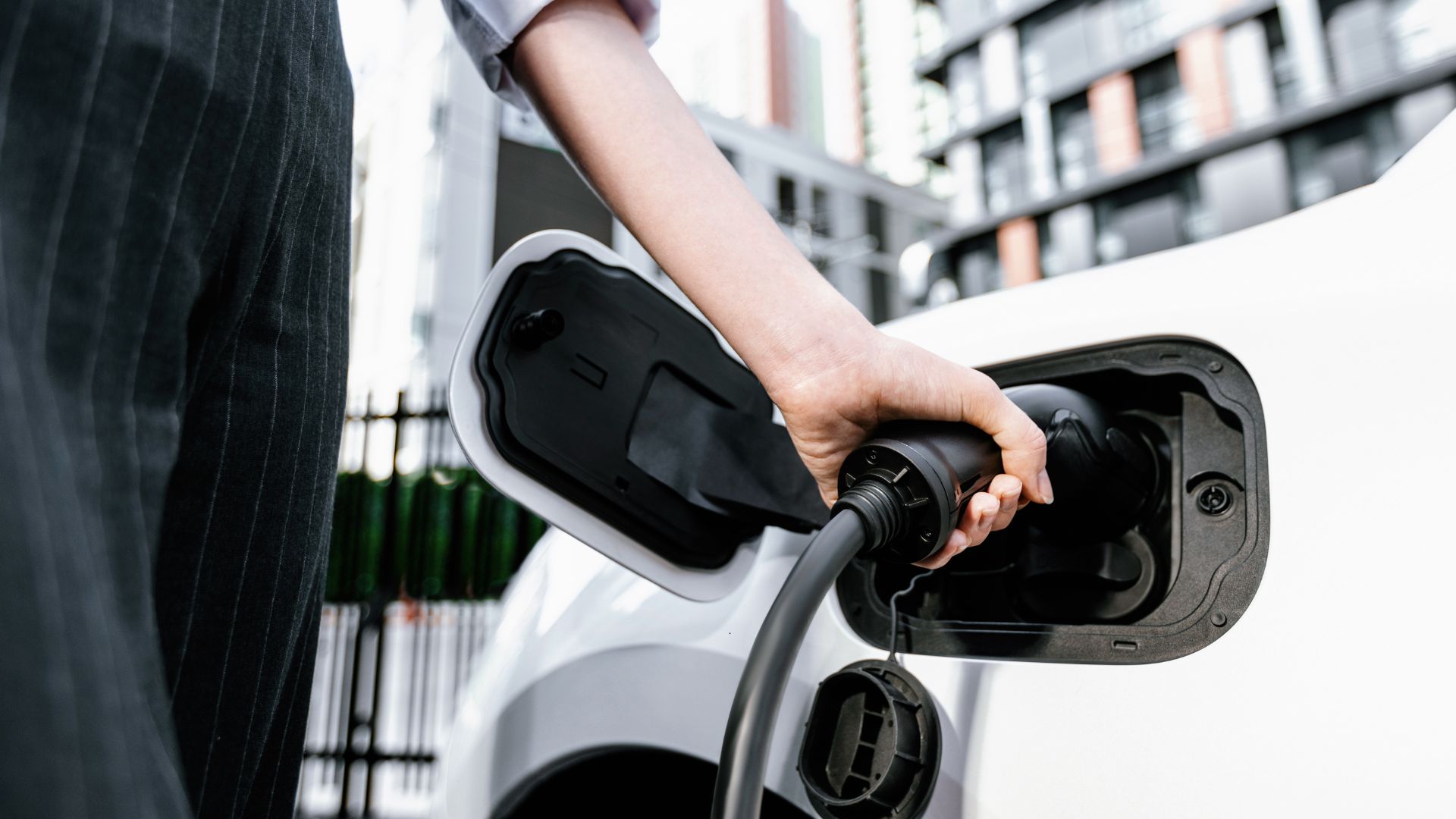
EV charging ports aren't standardised. Tesla puts theirs on the rear left, Nissan Leaf at the front and Hyundai Ioniq 5 rear right.
Charging cables are typically 5-7 metres. Where will you park your car? Where will the port be? Mount the charger so the cable reaches without stretching across walkways.
If you own more than one electric vehicle, put the charger where it can reach both parking spots, or add a second one while your electrician is on-site. It's cheaper than a second callout.
Get a cable holder too. It keeps cables off the ground and makes a difference.
What to Do Before the Electrician Shows Up
Paperwork and Approvals
All electrical work in NSW needs a Certificate of Electrical Compliance. Your electrician sorts this out and issues it after the job's done and inspected.
Wollongong Council doesn't need separate permits for electric car chargers in most cases. It's minor electrical work. But if you're in a unit or townhouse with strata, there's more information below in the Rentals and Strata section.
Get Your Switchboard Assessed First
Book an electrical assessment before you get installation quotes. This tells you what electrical upgrades you need.
Common upgrades we see in Wollongong:
- Switchboard replacement - Old ceramic fuse boards get swapped for modern circuit breaker boards.
- Safety switches - Depending on what you currently have installed.
- Main switch upgrade - Going from 63A to 80A or 100A.
- The dedicated EV circuit - This is usually included in the installation quote.
The assessment takes maybe 30-45 minutes. You will get a written report explaining what's needed and why.
Clear the Area and Document Everything
Before installation day, clear the space where the charger will go. Move your car and anything near the switchboard. The electrician needs clear access between both spots.
Take photos of where the charger will mount and measure the distance to your switchboard. Note any
obstacles in between—walls, gardens, or paths that might complicate the cable run.
If trenching's needed, call 1100 (Dial Before You Dig) to locate underground services. Mark irrigation lines or garden lighting cables. Clear garden beds along the cable route.
What It Actually Costs in Wollongong
A standard home EV charger installation includes labour, materials like cable and conduit, and electrical work. The price depends on your home's setup.
If your switchboard is ready, the charger location is close (within 15 metres), and there's no trenching needed, the job is straightforward.
But costs go up if you need:
- A switchboard upgrade
- Trenching to run cable underground
- Conduit for exposed cable runs
- An Endeavour Energy service upgrade for more power capacity
- A higher-spec charger unit with extra features
Most Wollongong homes need at least one of these extras. A switchboard upgrade is the most common.
The NSW government runs electric vehicle incentives that can reduce your costs. They change frequently, so check what's available before you book.
How Long Does It Take
Most straightforward installations take 3-6 hours and get done the same day. But if your switchboard needs upgrading, the job spans an additional 4-6 hours. We do the upgrade, get it inspected, then come back to finish the charger once it's approved.
Endeavour Energy service upgrades slow things down more. They need to schedule and do their work first, which adds 2-4 weeks to the timeline. Your electrician handles the coordination.
You'll get your Certificate of Compliance within 2 business days after everything's finished.
One booking tip: avoid December to February if you can. April to October usually has better availability.
Smart Chargers vs Standard Ones
Standard home EV chargers work like a phone charger—plug in and they start charging. That's it.
Smart chargers connect to WiFi and give you more control:
- Schedule charging for off-peak rates (10pm-7am in NSW when electricity's cheaper)
- Monitor your home's total power use and adjust charging so you don't overload
- Track usage and costs
- Start/stop from your phone
Choosing an Electrician Who Knows EV Chargers

Not every electrician has EV charger experience. Check they're:
- Licensed in NSW (Service NSW website)
- Carrying public liability insurance
- Familiar with AS/NZS 3000/3008 and NSW Installation service rules requirements
- Experienced with EV installs (ask how many)
Good ones offer detailed quotes, free assessments, clear upgrade explanations, 12-month warranties, and have Wollongong reviews.
Questions Worth Asking
- How many EV chargers have you installed around Wollongong?
- What brands do you recommend and why?
- Does my switchboard need work?
- What's the total cost, including potential upgrades?
- How long will it take?
- What warranty comes with the installation?
- Will I need an Endeavour Energy upgrade?
- What certification will I get?
- What maintenance is needed?
Red Flags
- Quoting over the phone without seeing your switchboard.
- Can't explain what upgrades are needed.
- No written quote or warranty.
- Pressuring you to book immediately.
- Way cheaper than everyone else (corners get cut somewhere).
Making Sure It's Safe and Legal
Australian Standards for EV Chargers
Your installation has to meet AS/NZS 3000, 3008, and 3123. That's the wiring rules, cable selection, and EV-specific standards.
If the charger is being installed outside, you need at least an IP54 rating. Go IP65 if you're near the coast because salt air's a problem.
Your electrician will sort out circuit breakers, RCD protection, earthing, cable sizing, and weatherproofing if it's an outdoor installation.
After Installation
You'll get a Certificate of Electrical Compliance when the job's done. Keep it safe—you'll need it for insurance, council records, and when you sell the house.
Your electrician tests everything before handing over the keys. They check the safety switches, earthing, and that power's flowing correctly.
Maintenance is simple. Keep the charger clean and cables out of the way, that's it.
Dealing with Tricky Situations
Older Houses
Pre-1990 homes often have wiring that wasn't designed for modern loads. Even if your switchboard looks okay, the house wiring might be undersized or deteriorating.
Switchboards from the 70s and 80s sometimes have asbestos backing. Your electrician will spot it and handle it safely during the upgrade. Older homes also tend to have longer cable runs because garages were added later or sit further from the main board. That pushes the cost up, but it's manageable.
Heritage properties sometimes have restrictions on external electrical work. Garage installs usually dodge this. But if you're mounting outside, check with the council first.
Rentals and Strata Buildings
Renters will need landlord permission. Some landlords will say yes because it adds value and appeals to EV drivers (offering to pay also helps). Sometimes they'll agree if the charger stays with the property.
Portable chargers plug into 15A outlets. Slower, but no installation hassles.
If you are with strata, you will need body corporate approval. Write to your owners' corporation with:
- What charger do you want, and where
- Confirmation that it's in your parking space
- The electrician's assessment
- Proof that it meets Australian Standards
Most strata applications get approved these days. Just budget 4-8 weeks for the process.
Getting Started with Your EV Charger Installation
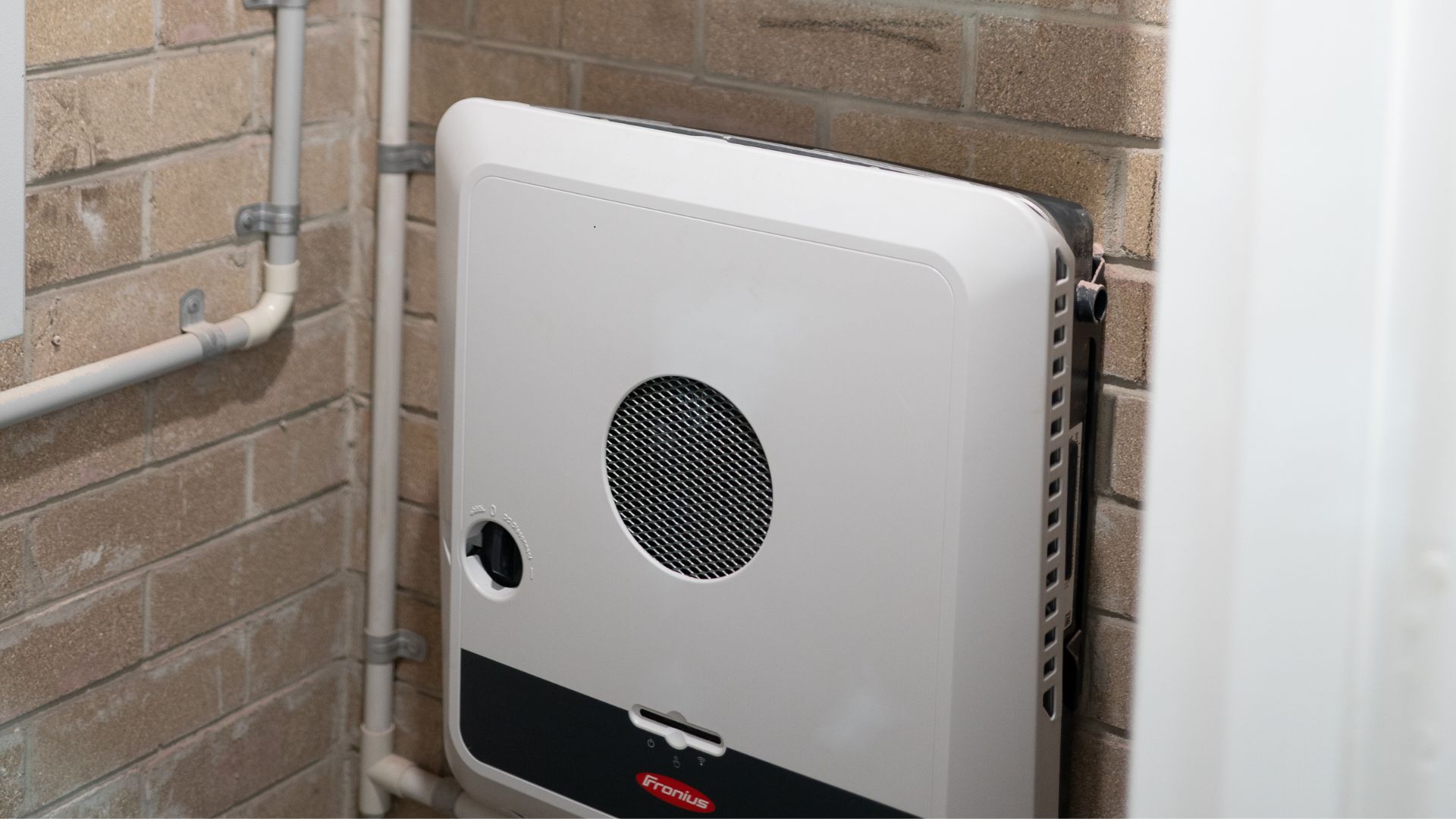
You'll need to sort out a few things before installing an EV charger. Check what your electrical system can handle, pick a charger and work out where it'll go, maybe upgrade your switchboard, and get an electrician who's done these installs before.
Most Wollongong houses are fine for an EV charger without much fuss. Older places might need the switchboard updated, but that's not a bad thing. It makes everything safer anyway.
Work with Wollongong's EV Charging Specialists
We cover Wollongong, Thirroul, Corrimal, Port Kembla and everywhere in between. With us, you’ll get a free assessment first, then a proper quote with all costs spelled out. We do the lot; switchboard and electrical panel upgrades if you need them, right through to certification.
Ring us or use the contact form on our website. We'll check your electrical setup, tell you what charger suits you, and give you the timeline and costs upfront. No mucking around.
Common Questions About EV Charger Installation in Wollongong
Do I need council approval for an EV charger in Wollongong?
No. Wollongong Council doesn't require separate approval for residential EV chargers. It's minor electrical work. But if you're in a strata building, you need body corporate approval first. Your electrician handles all the electrical certifications.
How long does installation take?
Straightforward job? 3-6 hours, done in a day. Switchboard upgrade? 4-6 hours for inspections. Endeavour Energy service upgrade? Add 2-4 weeks for their scheduling.
Can I install a charger if I'm renting?
You need landlord permission for anything permanent. Some landlords approve it because it adds property value. If they refuse, look at portable chargers that plug into existing outlets. They are slower, but no installation is needed.
How much will it add to my electricity bill?
Depends on how much you drive. Someone doing 50km daily uses about 7-10kWh, which costs roughly $2-3 per day at standard rates. Charge overnight on off-peak rates, and that drops to around $1-2 daily. Most people spend $30-55 monthly—way less than petrol.
Do all chargers work with all EVs?
Yes, if they use Type 2 connectors (standard in Australia). All new EVs sold here since 2020 use Type 2. Older models like early Nissan Leafs use Type 1, but adapters exist.
Can I do it myself?
No. In NSW, licensed electricians must do all electrical work. DIY electrical work is illegal, dangerous, and voids your insurance.
Are there government rebates?
NSW EV rebate programs change regularly. Currently, there are rebates for EV purchase, but limited programs for home charger installs. Check the NSW Government EV website.