
What Electrical Work Do You Need for a Granny Flat?
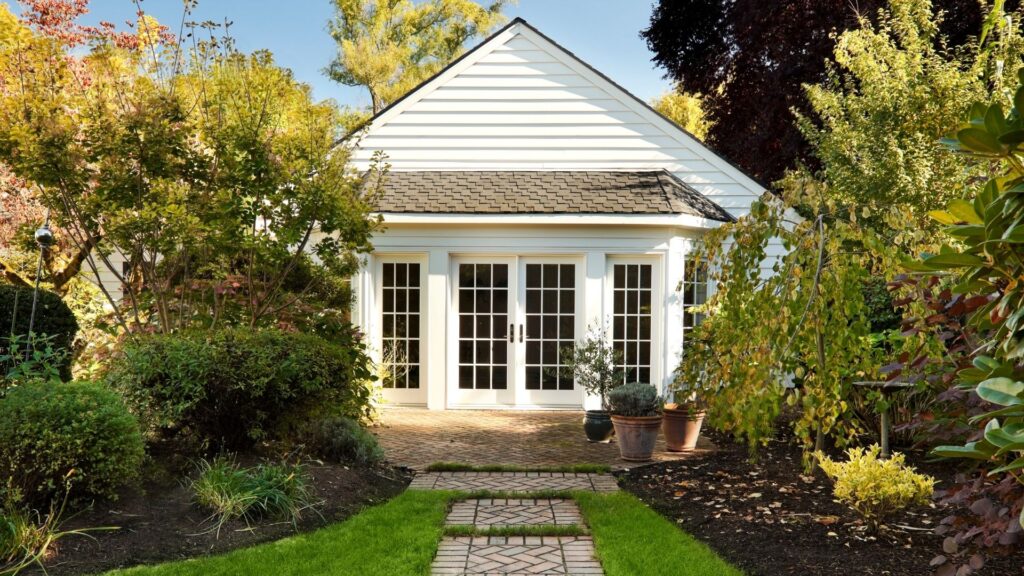
Planning a granny flat usually focuses on the floor plan, the kitchen, wall colour, and the council approval process, leaving the electrical work until last. In reality, electrical work is one of the most practical and important considerations.
A granny flat needs its own wiring and circuits, a switchboard that can handle the extra load, power points, lighting and smoke alarms, and often a separate meter and a Level 2 connection. It's a self-contained living space and, in NSW, it’s classed as a new dwelling, so it needs the same compliant electrical services as a small home.
What Electrical Work Does a Granny Flat Usually Need?
A granny flat usually needs a complete electrical plan: power supply, internal wiring, lighting, safety switches, smoke alarms, appliance circuits and compliance testing. Your electrician should be across the following:
- Electrical wiring and circuit planning
- A main switchboard assessment, and sometimes an upgrade
- Power point installation throughout the living area
- Lighting, inside and out
- Hardwired smoke alarms
- Dedicated electrical circuits for appliances like ovens and air conditioning
- Data and communication cables
- Connecting power and metering, often with a Level 2 electrician
- Testing, final inspection and compliance documentation
In some cases, the meter box and main switchboard may need to be modified, or the power supply may need to be assessed by a Level 2 electrician. All of it must comply with AS/NZS 3000:2018, the wiring rules used across Australia.
Start With the Existing Home's Electrical Capacity
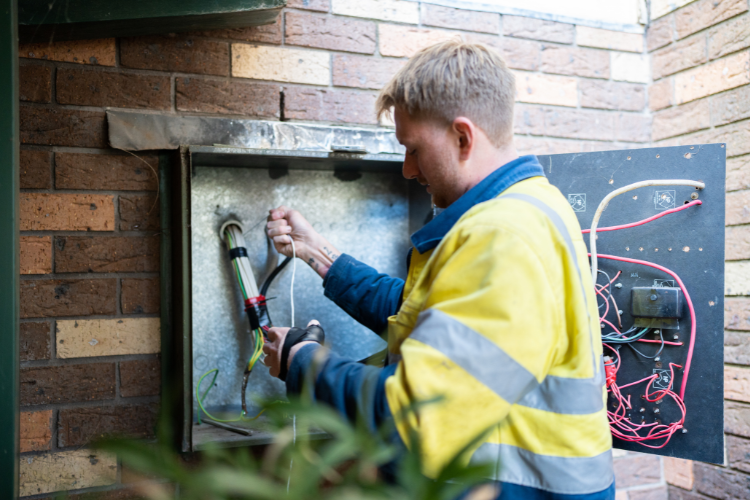
The first job isn't in the granny flat, it's at your main switchboard and meter box.
Your home was wired for one dwelling, and adding a secondary dwelling puts more demand on a system that may not have spare capacity, with plenty of older Wollongong and Illawarra homes never designed to run two dwellings. Be aware of these signs that your home may not be ready for a secondary dwelling:
- An old ceramic fuse box instead of circuit breakers
- Electrical circuits that trip often
- No safety switches (residual current devices) on the board
- Little or no spare capacity
- Flickering lights, or a switchboard that feels warm or buzzes
If your meter box contains asbestos, it's important to check the applicable Australian Standards and network provider requirements. In some cases, the asbestos meter panel or meter box may need to be replaced before new metering equipment or electrical installations can be completed.
When a Switchboard Upgrade May Be Needed
A granny flat adds a real electrical load from cooking, heating, air conditioning, electric hot water, and everyday appliances. If your board is near its limit, it won't safely carry a second dwelling, however a switchboard upgrade brings the system up to capacity and adds the safety switches required under NSW standards. Licensed electricians size the load for the granny flat, planned appliances, heating, and cooling so it remains compliant with AS3000. Checking this early avoids redesigns and delays.
Internal Wiring, Circuits and Power Points
Inside the flat, the wiring goes in at the rough-in stage, when cables run through the wall frame before the plasterboard goes up. Plan power points room by room around how the living space will be used:
- Kitchen: fridge, cooktop, oven and dishwasher, with dedicated circuits for large appliances
- Laundry: washing machine and dryer
- Living area: TV, Wi-Fi and charging points
- Bedroom: power beside the bed and wardrobe lighting
- Outdoor: weatherproof power points for the patio
Plan for several double power points in each room with dedicated electrical circuits for large appliances such as ovens and air conditioning. It pays to wire for the future, too, like an EV charger installation, while the walls are open. Map your power points before the walls are lined, not after fit-off.
Lighting, Fans and Everyday Comfort
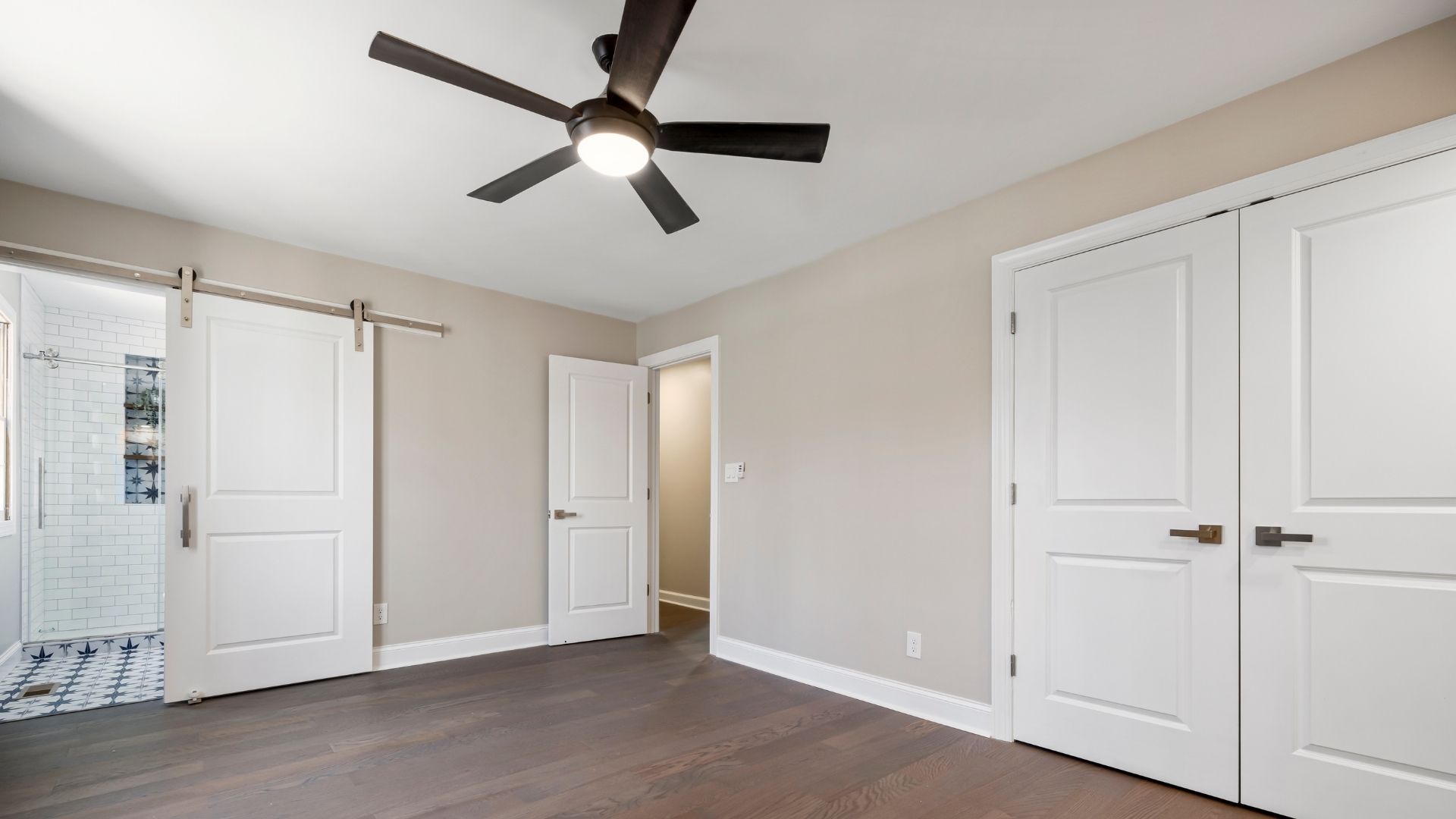
Lighting planning is about comfort, style, and practicality, not just compliance. A typical granny flat lighting plan covers:
- Ceiling lights and LED downlights
- Feature lighting where it suits the space
- Exhaust fans in the bathroom and kitchen
- Ceiling fans for airflow
- Outdoor and sensor lighting along access paths
LED fittings are energy efficient, using less power and lasting longer, which keeps electricity usage and energy costs down in a tenanted flat. Matching your lighting needs to each room helps daily life, especially for an elderly parent or tenant who needs well-lit access.
Smoke Alarms and Safety Requirements
For a new dwelling like a granny flat, interconnected photoelectric smoke alarms are required in the bedrooms and connecting hallways, hardwired into the mains power supply with battery backup.
If the flat is rented, you have ongoing obligations to keep them working, and these systems must be in place to pass the final inspection and secure an Occupation Certificate. Our electricians advise on placement and handle smoke alarm installation as part of the wiring plan. Residual Current Devices (RCDs) are generally required on all final subcircuits under AS/NZS 3000 to help protect occupants from electric shock.
Data, Internet and Communication Cables
A granny flat also needs to be connected. Plan for:
- An NBN or internet extension from the main home
- Ethernet and communication cables for a wired connection
- Solid Wi-Fi coverage and TV points
- Smart lighting, or an intercom for tenants or family
Data cabling installation is far easier during construction than as a retrofit, so run it before the walls are closed up.
Do You Need a Separate Meter or Level 2 Electrician?
Not every granny flat needs a separate meter, so don't pay for one you don't need. But it's worth it for a rental to keep electricity costs separate and charge tenants cleanly for extra income.
Once the wiring is complete, the flat is reconnected to the main supply. Heavy-duty conduits run underground from the connection point at the meter box to the granny flat's sub-board. Where the existing street-pole cable can't carry both dwellings, the mains power connection has to be upgraded. That network-side work is for a Level 2 electrician who is authorised to work on the distribution network, handle meter installation and make new connections. Only licensed Level 2 electricians can legally connect power this way.
What a Standard Electrician vs. a Level 2 Electrician Can Do for Your Granny Flat
| Standard Licensed Electrician | Level 2 Electrician |
| Internal wiring and electrical circuits | Connecting power from the network |
| Power point installation, lighting and fans | Mains power and street pole connection |
| Sub-board inside the flat | New meters and separate electricity meters |
| Appliance connections | Upgrading the main supply |
| Smoke alarms and safety switches | Meter box work and new connections |
| Testing and certification | Connection point and network services |
Some granny flat projects need both. Easther's electricians hold both qualifications, so the network connection and the internal electrical services get done as one job.
When a Separate Meter Is Worth It
The main options are a separate network meter (commonly called a granny flat meter), a submeter, or shared metering, with the separate granny flat meter most common for rentals. Under NSW rules, tenants can only be charged for electricity if the granny flat is separately metered. A granny flat meter keeps billing clean and avoids disputes over electricity usage. It pays to have your granny flat meter installation completed by a Level 2 Electrician to streamline the process.
Electrical Compliance, Testing and Certificates
Any fixed electrical work has to be done by a licensed electrician and signed off with a CCEW. Without it, you can run into trouble during the final inspection, at the sale, and with your insurer.
Once the fixtures are in place, compliance testing (insulation, earthing, and polarity) is performed, and a Certificate of Compliance for Electrical Work (CCEW) is issued for the wiring.
Granny Flat Rules and Approval in NSW
In NSW, a granny flat is classified as a secondary dwelling under the State Environmental Planning Policy (Housing) 2021. In Wollongong, you can generally have one secondary dwelling on the same property as a principal dwelling, provided the development meets the relevant planning requirements. A secondary dwelling cannot be subdivided from the main house and sold separately. If the proposal meets the complying development standards, approval may be obtained through a Complying Development Certificate (CDC), often within a couple of weeks, whereas a Development Application (DA) through council can take significantly longer.
Generally, there are a few hard limits to keep in mind for easier approval. Your flat can have a maximum floor area of 60 square metres, on a lot of at least 450 square metres, with set height and setback rules. All granny flats must meet the Building Code of Australia, get separate utility connections where required, and show BASIX compliance. Your electrical layout should match the plans submitted for approval so the wiring and the paperwork line up.
Practical Granny Flat Electrical Checklist
Run through this planning checklist before you speak to a builder or electrician:
- Has the existing switchboard and meter box been inspected?
- Is there enough capacity for the granny flat?
- Are safety switches (RCDs) installed and suitable?
- Does the flat need its own sub-board?
- Are the kitchen and laundry electrical circuits planned?
- Are power points mapped room by room?
- Are hardwired smoke alarms included?
- Are your lighting needs and outdoor lighting covered?
- Are data and communication cables required?
- Is a separate meter needed?
- Is any Level 2 work needed for connecting power?
- Has compliance testing and certification been allowed for?
When Should You Call an Electrician During the Granny Flat Project?

Earlier than most property owners and homeowners do. Bringing the electrician in too late is a common, costly mistake. A renovation electrician should be involved at these points:
- Before finalising plans to check capacity and shape the layout
- Before construction starts so switchboard or supply work is scheduled
- During rough-in to run wiring through the open frame
- During fit-off for power point installation, switches, lights and alarms
- Before the final inspection for testing and the CCEW
- Before leasing to a tenant to confirm the hardwired safety systems
Early planning prevents costly surprises like a board that needs upgrading mid-build, too few power points, or forgotten cabling.
Speak With a Wollongong Granny Flat Electrician
Every property is different. An older Illawarra home with an ageing switchboard has very different power requirements to a newer one. The only way to know what your granny flat needs is to have the property assessed.
Easther Electrical works across Wollongong and Illawarra in commercial, residential, emergency and level 2 capacities, covering all electrical renovation requirements. One team handles everything from capacity checks and the fit-out to connecting power, metering and compliance.
Get your granny flat electrical work planned properly from the start. Request a free quote from Easther Electrical today on 02 4256 5899.
Frequently Asked Questions
Can a granny flat use power from the main house?
Often, yes, but the installation must be done by a licensed electrician, and the existing power supply capacity needs assessing first. If there's no spare capacity, the board may need upgrading.
Do I need a Level 2 electrician for a granny flat?
You may. A Level 2 electrician is needed if the project involves metering, new meters, new connections, a granny flat meter or upgrading the mains power supply. Internal wiring is handled by a standard licensed electrician.
What electrical work can I do myself in Australia?
Almost none. Fixed electrical work is illegal for unlicensed people, so wiring, power point installation and connecting power must be done by licensed electricians. Homeowners can help with groundwork, like digging the trench for the underground conduit, which can save money.
How much does granny flat electrical work cost?
It depends on size, the scope of wiring, your capacity and site conditions. Most electricians quote per "point" or at an hourly rate, so a fixed-price quote is best. A separate meter and any network connection work add to the cost, so budget for it early.
Do I get an electrical certificate after granny flat electrical work?
Yes. A Certificate of Compliance for Electrical Work (CCEW) is issued once the wiring work is tested, recording that it meets the standard.