
Do I Need an Electrician During a Bathroom Renovation In Wollongong?
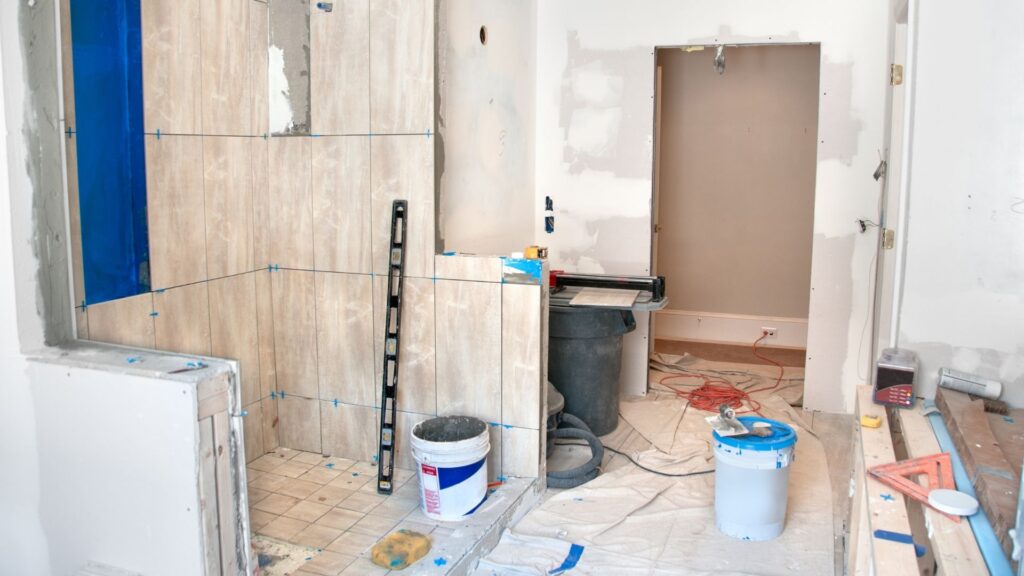
If your bathroom renovation involves lighting, power points, exhaust fans, heated towel rails, or any new wiring, yes, you need a licensed electrician. That’s the short answer.
A purely cosmetic update like repainting walls or swapping a mirror probably won’t require one. But most real bathroom renos do involve electrical work, and in NSW, that work must be carried out by a licensed electrician. This article covers when you need one, what they do, what permits apply, and how to avoid the mistakes that cost homeowners money.
When Does a Bathroom Renovation Need an Electrician?
More parts of a bathroom reno require a licensed sparkie than most homeowners expect. The common ones include:
- New or relocated lighting
- Installing or moving power points
- Exhaust fan installation or relocation
- Heated towel rails
- Underfloor heating
- LED mirrors or demisters
- Switch relocation
- New wiring runs
- Rewiring in older homes
- Switchboard upgrades
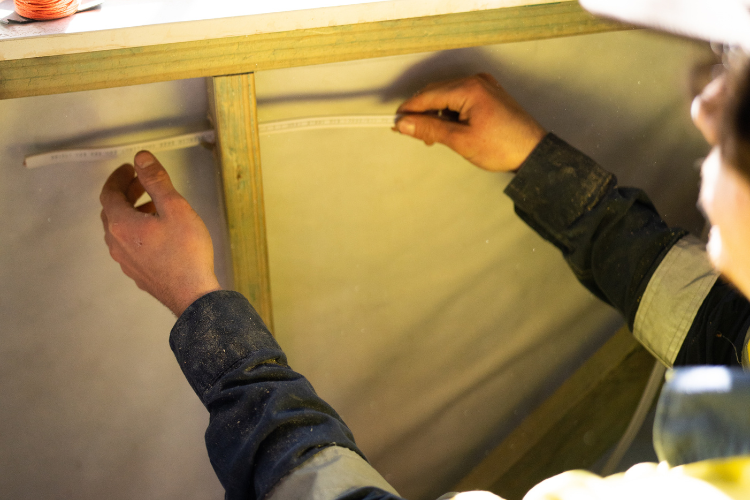
If your bathroom reno includes any of these, a licensed electrician is required. Under NSW law, electrical wiring work must be carried out by, or under the supervision of, a licensed electrician. This applies in Wollongong and across NSW. Electrical work is classified as specialist work under the Home Building Act 1989, and licensing requirements apply to electrical wiring work regardless of the project value. After the work is tested, the electrician must provide a Certificate of Compliance for Electrical Work, or CCEW, confirming the work complies with the relevant NSW legislation, regulations and Australian Standards.
What Permits Do You Need for Bathroom Electrical Work?
Permits are among the most misunderstood aspects of a bathroom renovation. Homeowners often assume their builder handles all approvals, but electrical work has its own compliance process, separate from general building approvals.
In NSW, any electrical wiring work must be carried out by, or under the supervision of, a licensed electrician. NSW Government confirms that electricians must provide a Certificate of Compliance for Electrical Work (CCEW) to show that the work has been tested and complies with the relevant NSW legislation, regulations, and Australian Standards. Without it, you may not have the proper record showing that the electrical wiring work was completed and correctly certified.
For larger bathroom renovation projects, you may also need a Development Application or Complying Development Certificate, depending on the scope of work. NSW Planning explains that complying development can apply to certain straightforward developments, including some alterations and additions, but the right approval pathway depends on the work being done. Your builder or bathroom renovator can advise on the building approval process, but the electrical work still needs to be handled and certified by a licensed electrician.
If the renovation project exceeds $5,000 in combined labour and materials, the contractor must hold the relevant NSW licence. NSW Government states that kitchen, bathroom and laundry renovation work valued at more than $5,000, including GST, requires the appropriate contractor licence. Specialist trades, including electrical work, must also be carried out by the appropriately licensed specialist, as noted by the NSW Government in its building and trade licence categories.
Permits, approvals and compliance documents are not optional extras. They help protect your property, support your insurance and warranty records, and ensure the electrical work in your bathroom is safe and legally compliant.
What Does a Bathroom Electrician Do?
A licensed electrician does more than fit lights. In a bathroom remodel, they should be involved early, especially before demolition or rough-in work begins.
Before walls or tiles are removed, they can check that existing wiring, switches and power points are safe. If demolition may affect electrical wiring, any live wiring must be isolated or made safe first.
During rough-in, the electrician runs wiring and prepares circuits for lighting, exhaust fans, power points, heated towel rails and underfloor heating where required.
After tiling, they return for the fit-off, installing or connecting the final fittings. Bathroom electrical work must also meet wet-area requirements under AS/NZS 3000:2018, including rules for switches and socket outlets near baths, showers, and basins. The NSW Government outlines common issues with switches and sockets in wet areas that you may need to be aware of before work begins.
Once complete, the electrician tests the work and issues a Certificate of Compliance for Electrical Work, or CCEW. This gives you a formal record that the electrical work was completed and tested by a licensed electrician.
Can You DIY Any Bathroom Electrical Work?
Some cosmetic tasks are fine to handle yourself and don’t require a license or even too much renovation experience, such as painting, tiling, and hardware swaps.
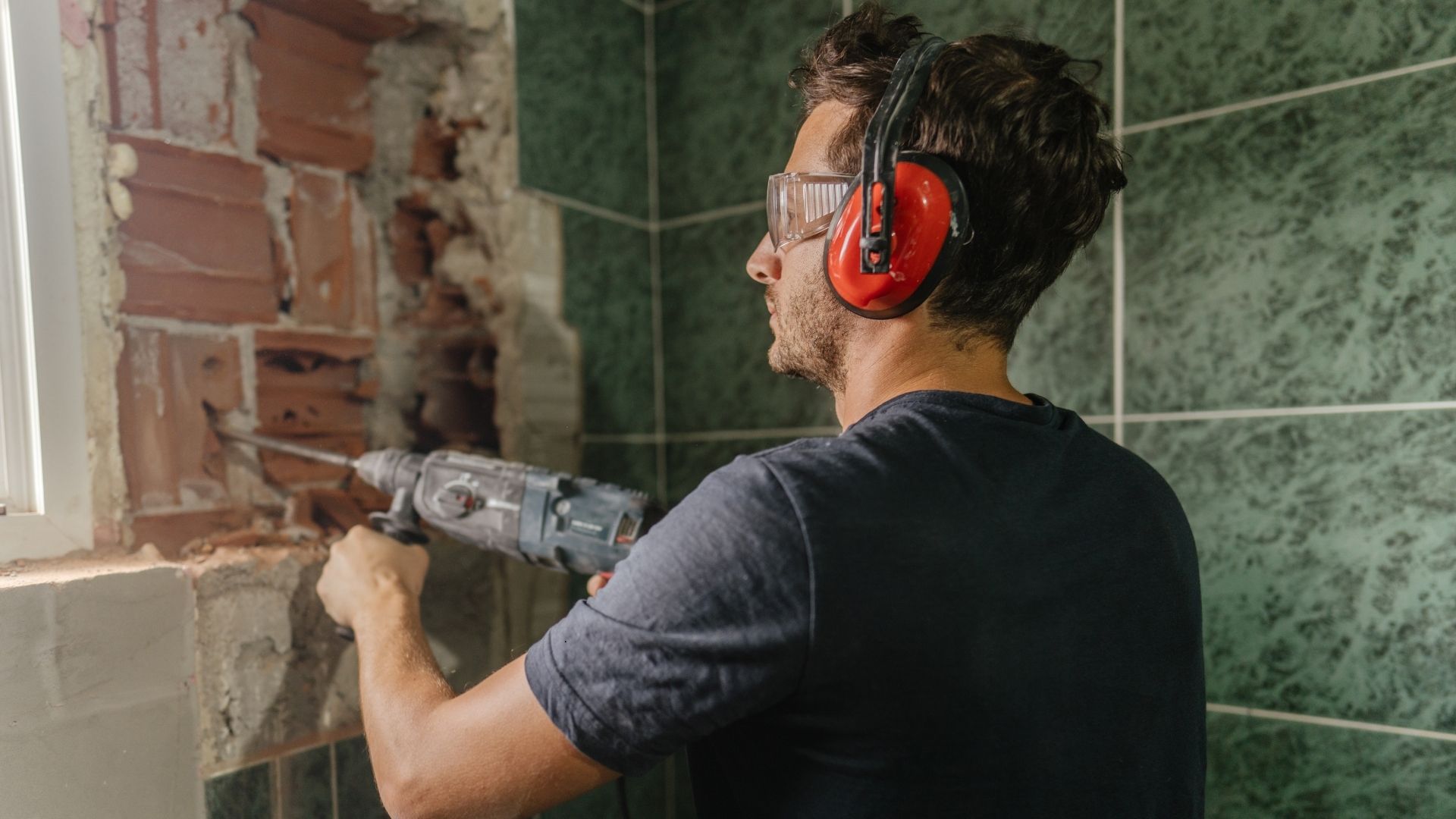
Electrical wiring work is different. In NSW, DIY electrical wiring is illegal. Fines for unlicensed electrical work can reach $22,000 for individuals. And your home insurance policies might not cover water damage or fire damage caused by unlicensed work.
Bathrooms are classified as high-risk wet areas. Electricity and water are a serious combination, and the safety standards around bathroom electrical work reflect that. All bathroom electrical installations in NSW must follow AS/NZS 3000:2018. A licensed electrician knows these rules inside out and works by them on every job.
Bathroom Electrical Zones and Safety Rules in NSW
Electricians divide a bathroom into zones, numbered 0, 1, 2, and 3, based on proximity to water sources, including the shower, bath, and basin. Each zone has specific rules on which electrical services and fixtures can be installed there and what protection is required.
Zone 0 is inside the bath or shower itself. Zone 1 is directly above the bath or shower up to a height of 2.25 metres, Zone 2 extends further out, and Zone 3 covers the rest of the space. Switches and socket-outlets must meet the clearance requirements for their zone or use appropriate protection, such as a shaver outlet with built-in isolation.
NSW inspectors commonly find switches and power points installed too close to wet areas on bathroom renovation jobs. It’s one of the most frequent compliance failures.
Other rules worth knowing:
IP ratings. Light fittings and fixtures in wet zones must carry the correct Ingress Protection rating, meaning they're built to handle moisture in that space.
Safety switches. Residual Current Devices are mandatory on bathroom circuits. They cut power instantly if a fault is detected, reducing the risk of fatal electric shock.
Plan before you tile. Once tiles are on the walls and floor, moving an electrical point means cutting tiles and replastering. Lock in all power outlets and switch locations before waterproofing and tiling begin. This saves money and avoids unnecessary repair work later.
Who Else Do You Need for a Bathroom Renovation?
A bathroom remodel isn’t a one-trade job. The core licensed trades for most bathroom renovations are a plumber, an electrician, and a waterproofer. Depending on the scope of structural work, you’ll likely also need a tiler, and possibly a carpenter or cabinetmaker for storage and joinery.
- Your plumber handles drainage, plumbing fixtures, hot water systems, and toilet installation.
- The waterproofer is mandatory before tiling in wet areas.
- Structural changes to walls or the floor structure require a licensed builder.
Getting all trades involved early and making sure they communicate around the project schedule keeps the renovation work on track and stops one trade from undoing another’s work.
When Should You Bring the Electrician Into the Project?
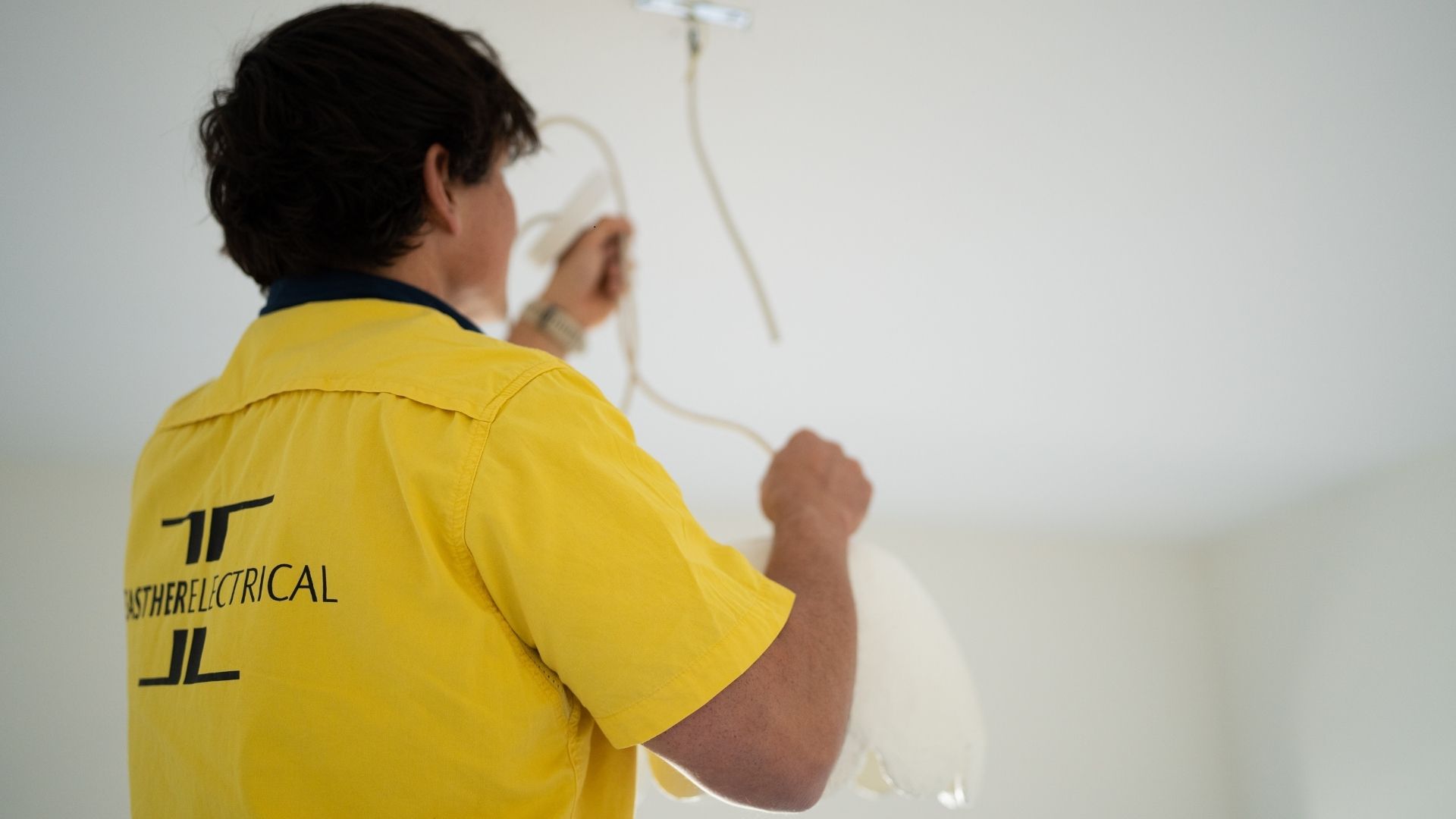
If you’re about to start planning a new bathroom remodel, the electrical layout should be one of the first things you lock in, not the last.
Common electrical work in a bathroom renovation includes new wiring installations, lighting design, power point placement, exhaust fan positioning, and switchboard assessment. Modern bathroom features like underfloor heating, heated towel rails, home automation controls, and smart mirrors all require specialised wiring. These are not decisions you can make after the walls are tiled.
When you start planning, think about the bigger picture of the bathroom. Where will the hair dryer go? Is there enough lighting over the vanity? Are you likely to add appliances down the track? Building in more power points and planning the space properly at the renovation stage is far cheaper than retrofitting later.
Common Electrical Mistakes in Bathroom Renovations
Here’s what goes wrong most often.
Not planning enough lighting is the big one. A single downlight is rarely enough for a bathroom space. Layered lighting across ambient, task, and accent positions makes a real difference to how the room functions. Skipping vanity lighting creates shadows right where you need to see clearly.
Exhaust fan placement is another common problem. Position it on the wrong side of the bathroom, and it won’t shift moisture effectively. Poor ventilation leads to mould, which in turn causes water damage and repair costs.
Other mistakes worth avoiding:
- Not installing enough power points. Plan for a hair dryer, shaver, phone charger, and any future bathroom appliances during the renovation. Retrofitting is expensive.
- Assuming the existing electrical systems are fine. In older homes, the switchboard and wiring may not safely handle the load of a renovated bathroom with new fixtures and appliances. Have your electrician assess it before work starts.
- Locking in the tile layout before the electrical plan is confirmed. Moving a power point after tiling is a costly repair job.
- Skipping permits or using unlicensed contractors. Both are illegal, both can affect your insurance, and the fines in NSW are significant.
What to Ask Before Hiring a Bathroom Renovation Electrician
Before you hire an electrician for your bathroom renovation, run through these questions:
- Are you licensed in NSW?
- Do you regularly work on bathroom renovations and remodels?
- Will you coordinate with my builder and other contractors?
- Will you provide a CCEW on completion?
- Can you advise on lighting, exhaust fan, and power point placement before the layout is locked in?
- Will you check the switchboard and existing electrical systems before the job starts?
- Can you handle any structural changes that affect the electrical layout?
If any of these get a vague answer, keep looking.
Bathroom Renovation Electrical Services in Wollongong
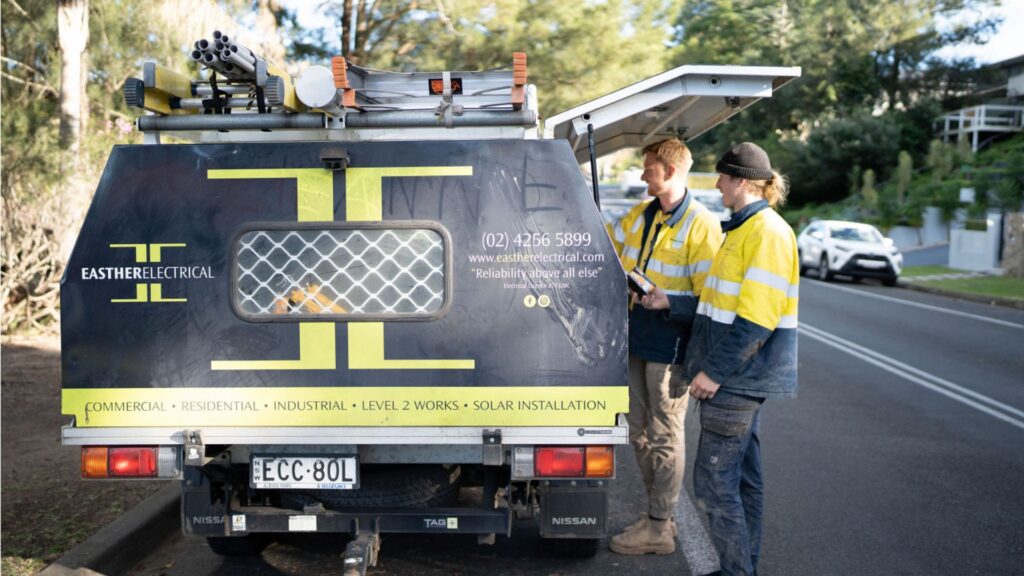
Easther Electrical is a licensed renovation electrician based in Oak Flats, covering Wollongong and Illawarra. We work with homeowners, builders, and bathroom renovators across the region, handling everything from the initial electrical plan through to fit-off and compliance sign-off.
Our team is Level 2 accredited and experienced in both standard bathroom renovations and electrical work, as well as more complex jobs involving rewiring, new builds, or switchboard upgrades. We work alongside other trades and can coordinate around your project schedule to keep your renovation on budget and on time.
To get the electrical side of your bathroom reno sorted, contact Easther Electrical for a free quote or call 02 4256 5899.
Ready to Plan Your Bathroom Reno?
Most bathroom renovations in Wollongong involve electrical work. Get the electrical plan sorted before waterproofing and tiling start. It’s cheaper, it’s faster, and it’s a lot less stressful than fixing compliance issues or repair jobs later.
If renovating your bathroom feels daunting, or you have an upcoming bathroom renovation planned for your Wollongong property, Easther Electrical can help.
We work with homeowners across Wollongong and the Illawarra Region, providing safe, compliant bathroom electrical work for renovations of all sizes.
Contact Easther Electrical for a free quote or call 02 4256 5899.
FAQs
Do I always need an electrician for a bathroom renovation? Not for purely cosmetic work. But if your bathroom remodel involves any new wiring, lighting, exhaust fans, heated towel rails, or power points, a licensed electrician is required under NSW law.
What permits do I need for bathroom electrical work in NSW? Your licensed electrician handles compliance by issuing a CCEW on completion. For larger renovation projects involving structural changes, additional building permits may apply. Your builder or bathroom renovator can advise on those.
Can my builder organise the electrician for me? Yes, many builders coordinate trades. But the electrical work itself must be done by a licensed electrician. Your builder cannot carry out the electrical services required under the Home Building Act 1989.
Can I move a bathroom light or power point myself? No. Any electrical wiring work in NSW must be carried out by a licensed electrician. DIY electrical work is illegal and can void your home insurance.
Do I need a switchboard upgrade for a bathroom renovation? Not always. But it's worth having your electrician assess the existing electrical systems before work starts, particularly in older homes where the switchboard may not support modern electrical loads.
What certificate should I receive after the electrical work is completed? A Certificate of Compliance Electrical Work, or CCEW. Your licensed electrician must provide this on completion. Keep it with your property records.
How early should I book an electrician for a bathroom reno? Before you finalise your layout. Electrical decisions affect tile placement, wall positions, and cabinetry. Getting the electrician involved early saves time, money, and avoids costly rework.