
Can I Do My Own Data Cabling, or Do I Need a Licensed Contractor in Wollongong?

In NSW, you must have an ACMA-registered cabler do data cabling inside walls or ceilings. Unregistered work breaches the Telecommunications (Cabling Provider) Rules 2025.
Most people assume the rule is about the cable. It isn’t. Data cable runs at extra-low voltage; what matters is what it runs alongside. Inside a wall or a roof space, data cable and mains wiring often share the same route, and when the separation between them is done badly, mains voltage can find its way onto the data cable. That’s the accident the rules are written to prevent. It’s also why a registered cabler is trained in the separation requirements and has to sign off that the work meets them.
A bad job doesn’t stay in your house. The framework is there to protect the telecommunications network and the people using it, which is why the rules come from Canberra rather than Macquarie Street.
On the surface, running a Cat6 cable can look like a straightforward weekend job: buy some cable, spend an afternoon in the roof space, and connect everything up. But the regulatory requirements are more involved than most homeowners realise, and it’s important to know them and get them right.
This article is general information about cabling regulations in NSW. It is not legal advice. Check current requirements with ACMA or NSW Fair Trading before starting any work.
Is Data Cabling the Same as Electrical Wiring Under NSW Law?
No. They’re two separate legal frameworks with two separate credentials, and confusing them is the single biggest reason people get this wrong.
Electrical wiring involves mains electrical work and is regulated under NSW law. Electrical wiring work is specialist work under the Home Building Act 1989, and a relevant electrical licence is required regardless of the cost of the job or whether the work is being carried out in a residential, commercial or industrial property.
Data cabling is different. Structured cabling, such as Cat5e, Cat6, and fibre optic cabling, carries digital or analog data signals and is regulated under Commonwealth telecommunications legislation. You must be registered to work in the cabling industry or be supervised by someone who is. The regulator is the Australian Communications and Media Authority, and the current instrument is the Telecommunications (Cabling Provider) Rules 2025.
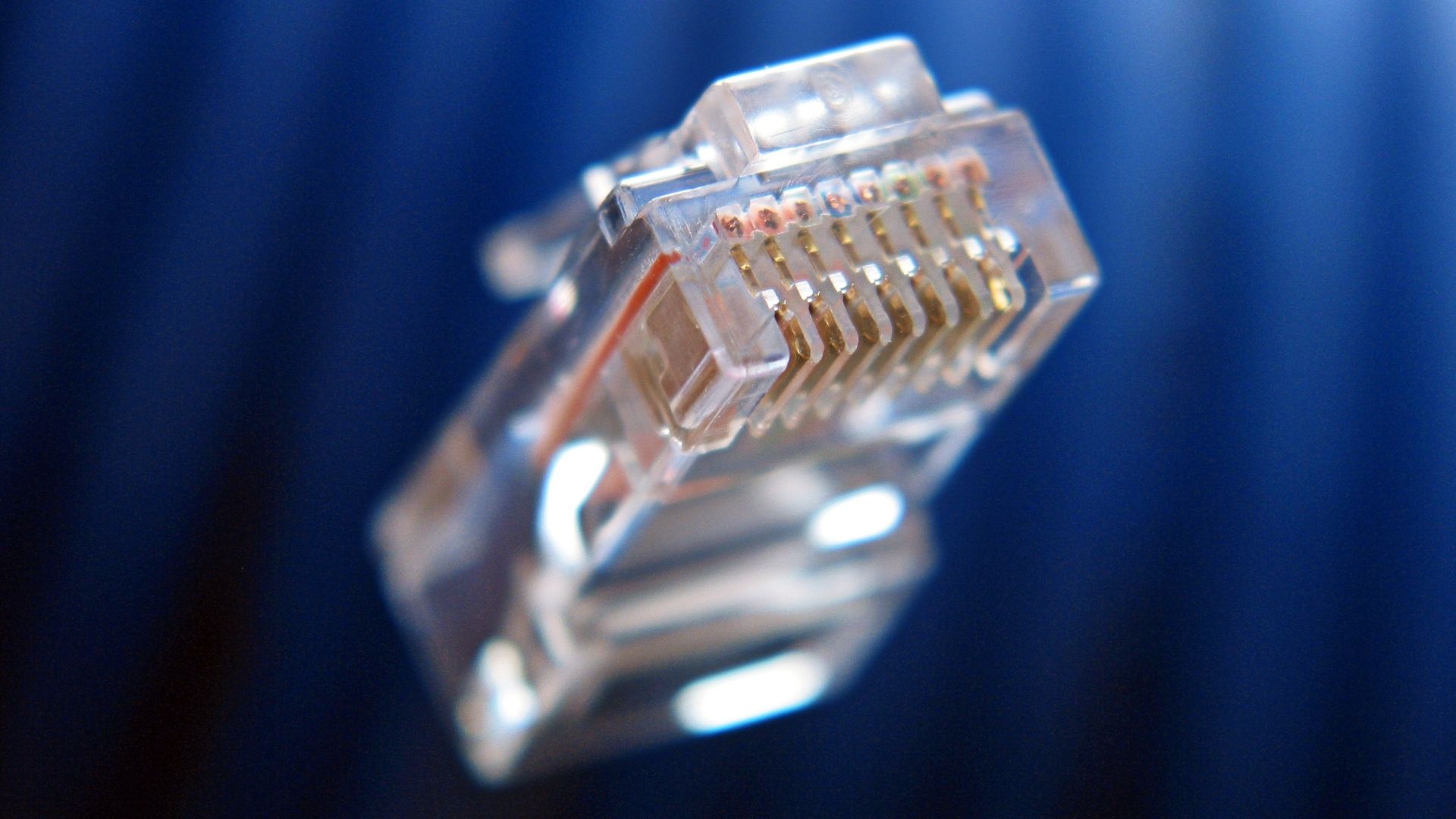
Those rules require a registered cabler to perform cabling work in the telecommunications, fire, security, and data industries, and require the work to comply with AS/CA S009:2020, the Wiring Rules.
So a NSW electrical licence and an ACMA cabling registration are two different documents, issued by two different bodies, for two different scopes of work. An electrician without a cabling registration isn't authorised to run your data cabling. It’s a common assumption, and it’s wrong.
What Licence Does a Data Cabler Legally Need in NSW?
A cabling registration issued by an ACMA-accredited registrar. It’s a national credential, so a cabler registered in Victoria can legally work in Wollongong.
There are three categories: Open, Restricted, and Lift. Each authorises a different kind of work. For standard residential and commercial data cabling, you want Open registration, the broadest category, covering cabling work in homes, businesses, and commercial buildings where the cabling terminates or connects at the boundary of the telecommunications network.
Restricted registration is narrower. Lift registration covers cabling in lifts and lift wells. A cabler holding a Restricted registration is properly registered but may not be registered for your job.
Open registration isn’t a short course. Beyond competency-based training, registrars require evidence of substantial hands-on experience. TITAB, for example, requires proof of 360 hours of actual on-the-job cabling experience before it will issue an Open registration. Some registrars also offer higher internal tiers above standard Open. ACRS's Master Cabler designation, for instance, reflects additional experience and testing beyond the base requirement.
ACMA doesn’t issue registrations itself. Four registrars do that on its behalf: the Australian Cabler Registration Service (ACRS), the Australian Security Industry Association (ASIAL), Fire Protection Association Australia, and TITAB Australia. Each maintains a searchable public register.
A NSW electrical licence alone does not authorise this work. Plenty of electricians hold both credentials, since an electrical qualification counts as evidence toward cabling registration. But the two are separate. Never assume.
Can a Homeowner Legally Install Their Own Data Cabling in NSW?
No, not on your own. A registered cabler must perform the work or directly supervise it. There’s no owner-occupier exemption that lets you install your own data cabling unsupervised.
One legitimate path most people don’t know about exists. An unregistered person can do cabling work if a registered cabler directly supervises them. The registered cabler takes full responsibility for that work, must ensure it complies with the Wiring Rules, and must sign the certification statement. Few cablers will supervise a homeowner on those terms, because they’re carrying the liability.
Otherwise, the line falls at the wall. The rules include express exemptions that let non-cablers plug cords into wall sockets and change cords on patch panels, which is where your side of the boundary sits.
You can do this yourself:
- Plug a patch lead into an existing wall outlet and into your computer, TV or router
- Move devices between existing outlets
- Run a patch lead across a room and plug it in at both ends
- Set up your own network equipment (routers, switches, access points) using pre-terminated leads
You cannot do this yourself:
- Run cable inside a wall cavity, ceiling space, or under the floor
- Terminate the cable onto a wall plate or patch panel
- Install a new data outlet
- Extend or repair existing in-wall cabling
Once a cable enters the building structure and is terminated, it’s the customer’s cabling work. That’s the regulated activity.
Why does the boundary sit there? Because in-wall cabling often runs near mains electrical cabling. If it’s done badly, mains voltage can end up on a data cable and then onto the network. The Wiring Rules require telecommunications cabling to be separated from electrical cabling. That separation is the whole point. A registered cabler is trained and certified in it.
Performing cabling work without registration is an offence under the Telecommunications Act 1997 and carries a maximum fine of 120 penalty units on conviction. ACMA can also issue an infringement notice instead of prosecuting. Unregistered work also lacks a certification statement, which becomes a problem when you sell, insure, lease, or fit out.
Now that you know where the line sits, the next question is who to hire. Get a free quote or call 02 4256 5899.
When Does Data Cabling Work Also Require a Licensed Electrician?
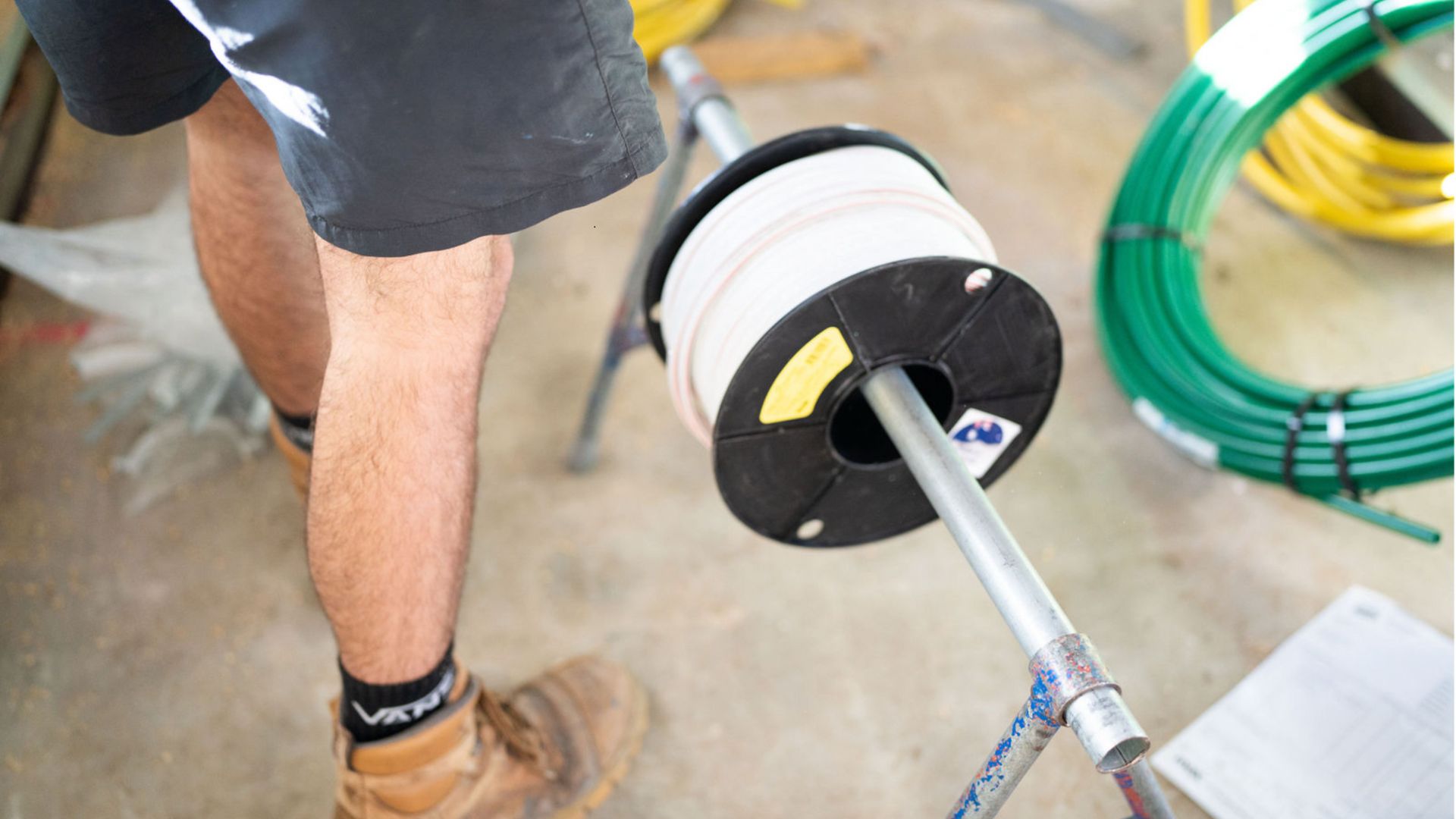
Often, because most real data jobs touch power somewhere. The cabler handles the cable. The electrician handles the power, but plenty of jobs need both.
You’ll need a licensed NSW electrician when the work involves:
- A power circuit for a PoE switch. Power over Ethernet delivers power to phones and wireless access points over the data cable, but the switch itself has to be fed from a mains circuit. The cabler runs the cable from the switch to each endpoint. The electrician provides the circuit that feeds the switch.
- A new GPO for network equipment. Adding a power point in a comms cupboard or under a desk is electrical wiring work under the Home Building Act 1989, outside a cabler’s scope.
- Any work inside the switchboard. A new circuit, a spare breaker, a subboard for a comms rack. A cabler cannot work in a switchboard.
- Conduit or pathways shared with mains wiring. Where data and mains share a route, the Wiring Rules’ separation requirements apply, and the electrical side belongs to the electrician.
Getting this wrong in either direction costs money. Hire only an electrician, and the cabling may be unregistered. Hire only a cabler and the power side stalls. The efficient version is one contractor covering both scopes, or two who are already coordinating.
What Does Data Cabling Work in Wollongong Typically Cost in 2026?
Costs below are indicative and based on our own quoting. Actual pricing varies with site access, cable runs, building age, and scope. Get a site-visit quote before committing.
Data cabling is usually priced per outlet point rather than as a flat job rate.
| Cost component | What it covers | 2026 indicative |
| Per-point rate, Cat6 | Cable supply, in-wall run, termination at wall plate and patch panel, testing | $150–$300 per point |
| 4-point home office, installed total | Four outlets back to a central point, terminated and tested | $400–$800 |
| Commercial per-point | Priced after site assessment; varies with run length and ceiling access | $200–$300+ per point |
| Electrical work, if required | New GPO, PoE circuit, switchboard work, quoted separately | Site-dependent |
Two things move the number more than anything else. Run length and access come first: a single-story home with a roof cavity is straightforward; a double-brick 1950s house with no access is not. Then there’s whether the job needs an electrician as well. That’s a separate scope, and it should be on its own line in the quote.
Before you accept a quote, check that it itemises the cabling and any electrical work separately, and names who is doing each.
What Compliance Documentation Does a Data Cabling Job in NSW Require?
Two documents, from two different scopes. Most people only know about one of them.
The first is a written certification statement for the cabling. After finishing a job, the cabler must prepare a written statement certifying that the work complies with the Wiring Rules. It has to identify the work done and where, include the cabler’s name, contact details, and registration number, state whether they performed or supervised the work, and confirm compliance with AS/CA S009:2020. You get a copy, their employer or contractor gets a copy, and they keep one for at least 12 months in case ACMA audits them.
Most cablers issue this on ACMA’s TCA1 form, though they aren’t obliged to. A separate TCA1 isn’t required in two situations. One is where the invoice or business documentation already contains all the TCA1 information; some cablers add the signed declaration straight to their invoice. The other is a small cabling job, meaning socket or detector replacement, replacing minor equipment for maintenance, jumper work on distribution frames, updating cabling records, or testing and measurement.
Either way, the cabler still has to be registered, and the work still has to meet the Wiring Rules. The paperwork shortcut is not a licensing shortcut.
The second document is a Certificate of Compliance for Electrical Work, or CCEW, covering the electrical scope. It applies only to the power side: the new circuit, the GPO, and the switchboard work. It says nothing about the cabling. If your job involves both scopes, you should receive both documents.
You may also be handed a TCA2. A cabler uses this to flag non-compliant cabling they’ve noticed, including pre-existing problems and things outside their contracted scope. It can arrive attached to a quotation before work starts or after the job. It goes to you or the building manager. Treat it as a heads-up about what was already there, so you can decide what to do about it.
Keep both compliance documents with your property or building records. You’ll need them at sale, at lease handover, during a fit-out audit, or if something later fails and the question of who did the work comes up.
How Do I Verify a Data Cabler’s ACMA Registration Before Hiring in Wollongong?
It takes about two minutes, and it’s free.
- Ask to see their registration card. A registered cabler will show you their card on request. Note the registration number and the category. You want Open registration for standard data cabling.
- Work out which registrar issued it. The first letter on the registration card tells you which registrar they used.
- Search that registrar’s public register. ACRS, ASIAL, FPA Australia, and TITAB each publish one. ACMA lists all four, with links, at acma.gov.au.
- Confirm the registration is current, not just issued. Registrations expire and need renewal. If you can’t find them, contact the registrar directly.
- Check that the category matches the job. Restricted registration covers a narrower scope than Open.
BICSI Registered Cablers Australia terminated its deed in March 2025 and no longer issues or renews registrations. Cablers registered through BRCA stay validly registered until their current registration expires, after which they need to move to another registrar to keep working. A BRCA card isn’t automatically invalid, so check the expiry date carefully.
If nobody can produce a number, or the number doesn’t appear on any register, end the conversation there. They can’t legally run cable in your walls. If you believe someone is working unregistered and unsupervised, ACMA takes complaints.
While you’re at it, run the same check on the electrical side.
Need professional data cabling? Request a free quote or call Easther Electrical on 02 4256 5899.
Data and Network Cabling in Wollongong and Illawarra
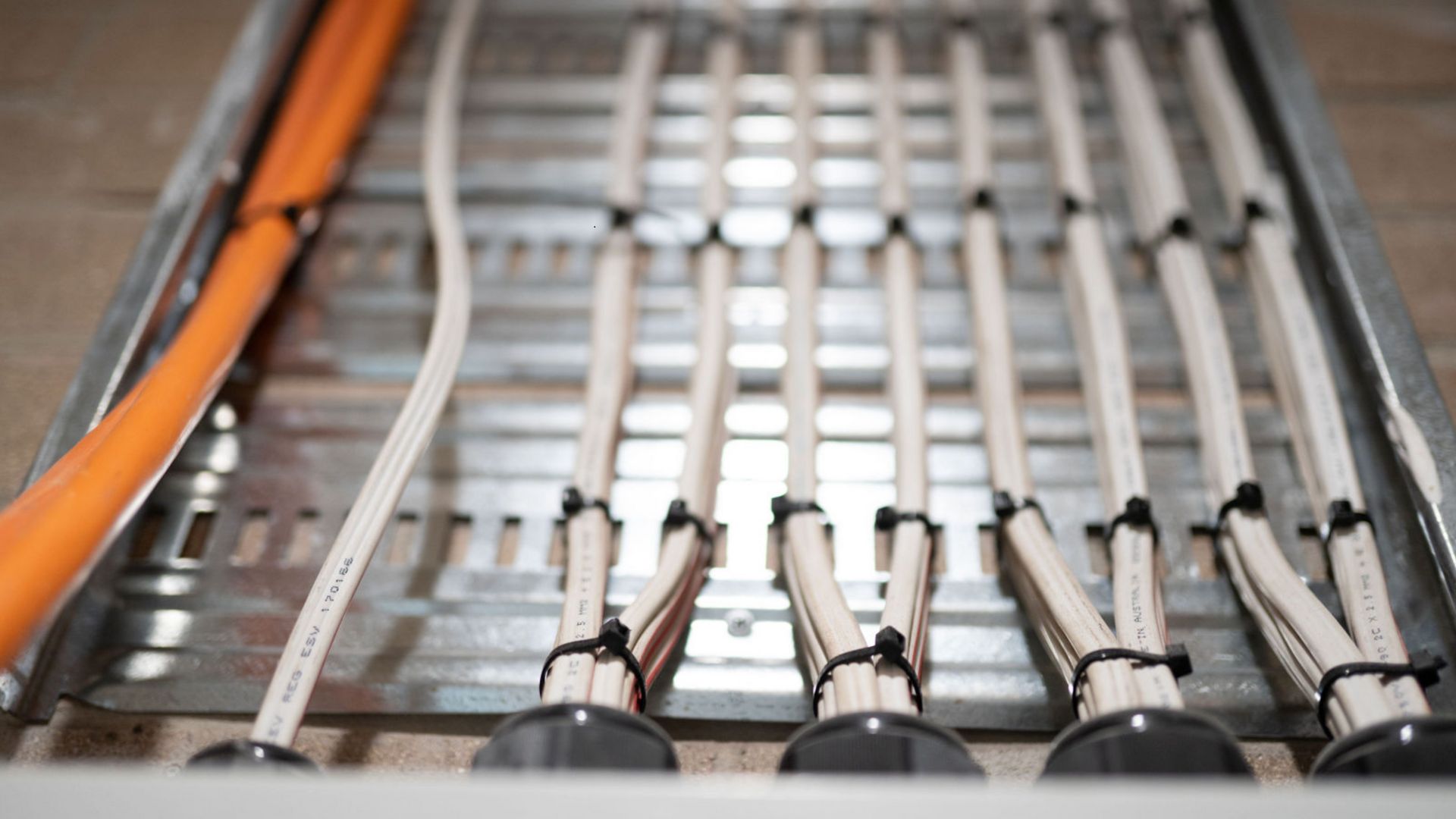
Easther Electrical is a licensed electrical contractor based in Oak Flats, working across Wollongong, Shellharbour, Kiama and the wider Illawarra. We hold ACRS Master Cabler registration, the top tier ACRS issues within Open registration, so our team is authorised to carry out data and telecommunications installations for homes, offices and commercial fit-outs — not just the electrical side of the job.
Because most data jobs cross both scopes, we coordinate the cabling and the electrical work under one engagement. You won't have to chase two trades to finish a home office or a comms rack, and you'll get certification for both sides. If you need help, please call us on 02 4256 5899.
FAQs
Can I install my own data cabling?
Not inside walls or ceilings, unless a registered cabler is directly supervising you and taking responsibility for the work. You can plug patch leads into existing outlets any time you like.
Do I need a licence to install network cabling?
You need a cabling registration issued by one of the four ACMA-accredited registrars, not a NSW licence. For standard data cabling, that’s Open registration.
What’s the difference between data cabling and electrical wiring?
Different regulators. Data cabling is Commonwealth-regulated by ACMA under the Telecommunications Act 1997 and the Cabling Provider Rules 2025. Electrical wiring is NSW-regulated as specialist work under the Home Building Act 1989.
Can any electrician do my data cabling?
Only if they also hold cabling registration. Many do. Some don’t. Ask for the registration number.
What paperwork should I get?
A written certification statement for the cabling, usually a TCA1 or the same information on the invoice, plus a CCEW for any electrical work.
What’s the penalty for unregistered cabling work?
It’s an offence under the Telecommunications Act 1997, with a maximum court fine of 120 penalty units. ACMA can issue an infringement notice instead of prosecuting.
Does this apply if my network never connects to the internet?
The rules cover cabling that connects, or can connect, to the telecommunications network. Almost all structured cabling in a home or office qualifies, so assume yes unless a registered cabler tells you otherwise.
How do I check if a cabler is registered?
Ask for the registration card, then search the register held by their registrar. The first letter on the card tells you which registrar to check.