
The Difference Between DC and AC Ceiling Fans
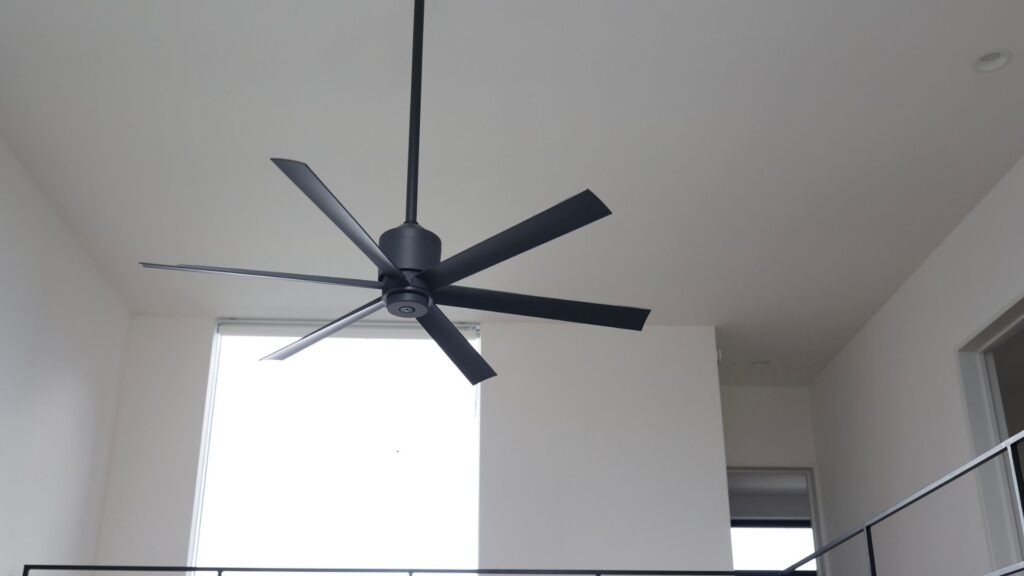
Choosing a ceiling fan seems straightforward. When your electrician, builder or partner tasked you with making the selection for your new fan, you probably assumed you’d have to choose a style and size, and that would be it. But now, you’re seeing every product listing with “AC” or “DC” stamped next to it, and if you don’t know the difference, it can quickly feel overwhelming.
AC and DC refer to the motor type inside the fan, and the difference affects energy use, noise levels, fan controls and the price at the checkout. It’s not a decision you want to gamble on; you'll be living with this fan for a decade or more.
We’ve broken down the two options for you, and by the end, you’ll know exactly which motor type suits your home, and why it's worth getting right.
What Do AC and DC Mean in Ceiling Fans?
AC stands for alternating current. That's the type of power supplied to every Australian home through the grid. The current changes direction rapidly, and AC motors are powered directly by this supply through standard wiring directly to the fan.
DC stands for direct current, which flows in one direction only. A DC ceiling fan has a built-in transformer that converts your household AC power into DC before it reaches the motor. It's the same principle as the little brick on your phone charger, just scaled up for a fan motor.
DC ceiling fans still plug into your normal 240V power source. They don't need special wiring or a separate electrical setup. The conversion from AC to DC happens inside the motor housing, so from an installation standpoint, both fan types connect to your home's existing electrical components the same way.
Do DC Fans Actually Save You Money on Power Bills?
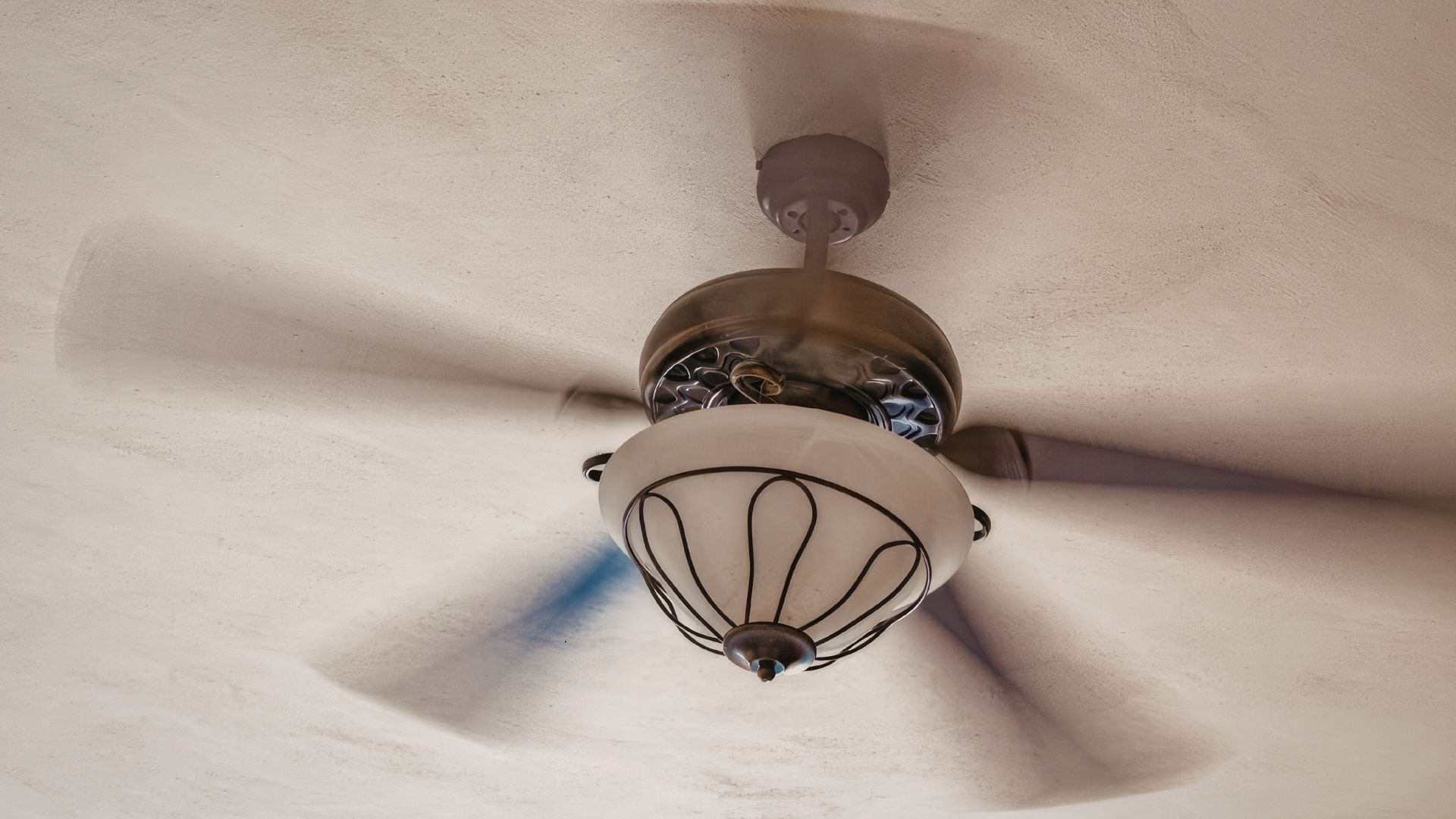
There's a lot of big claims floating around about DC fan energy savings, so let's look at the real numbers.
AC fans typically draw 50-100 watts at high speed, depending on the model and age. DC fans typically draw 25-40 W at equivalent airflow, using roughly half the energy of an AC fan. That makes DC ceiling fans highly energy efficient, and it's a genuine difference.
But how much does that save you in practice? Let's say a DC fan saves around 50 watts per hour over a comparable AC model. Running it for 8 hours a day through a 4-month Wollongong summer (roughly 120 days) at around $0.30 per kWh, that works out to roughly $14 to $15 per year in energy savings. It's real money, but it's modest.
The catch is that DC ceiling fans carry a higher upfront cost than equivalent AC models. So the payback period on energy savings alone is measured in years, not months.
That doesn't mean DC fans aren't worth it. It just means energy efficiency alone isn't the main reason to buy one.
Why Noise Levels Matter More Than You'd Think
This is where many people notice the biggest practical difference between AC and DC ceiling fans.
AC motors produce a low-frequency hum that's especially noticeable at mid-speeds. In a quiet bedroom at night, many AC fans create enough background noise to be annoying. DC fans use brushless motors with a more refined electromagnetic design. The result is extremely quiet operation, particularly at low speeds. Many users find this to be the real selling point of DC ceiling fans.
The quality and brand of the fan you pick is still important. A premium AC fan can outperform a budget DC fan on noise. But comparing AC vs DC at the same quality level, DC wins on quiet operation every time. For bedrooms, home offices, or any room where background noise is a primary concern, the difference is worth paying for.
Wall Switches, Remotes, and Speed Settings
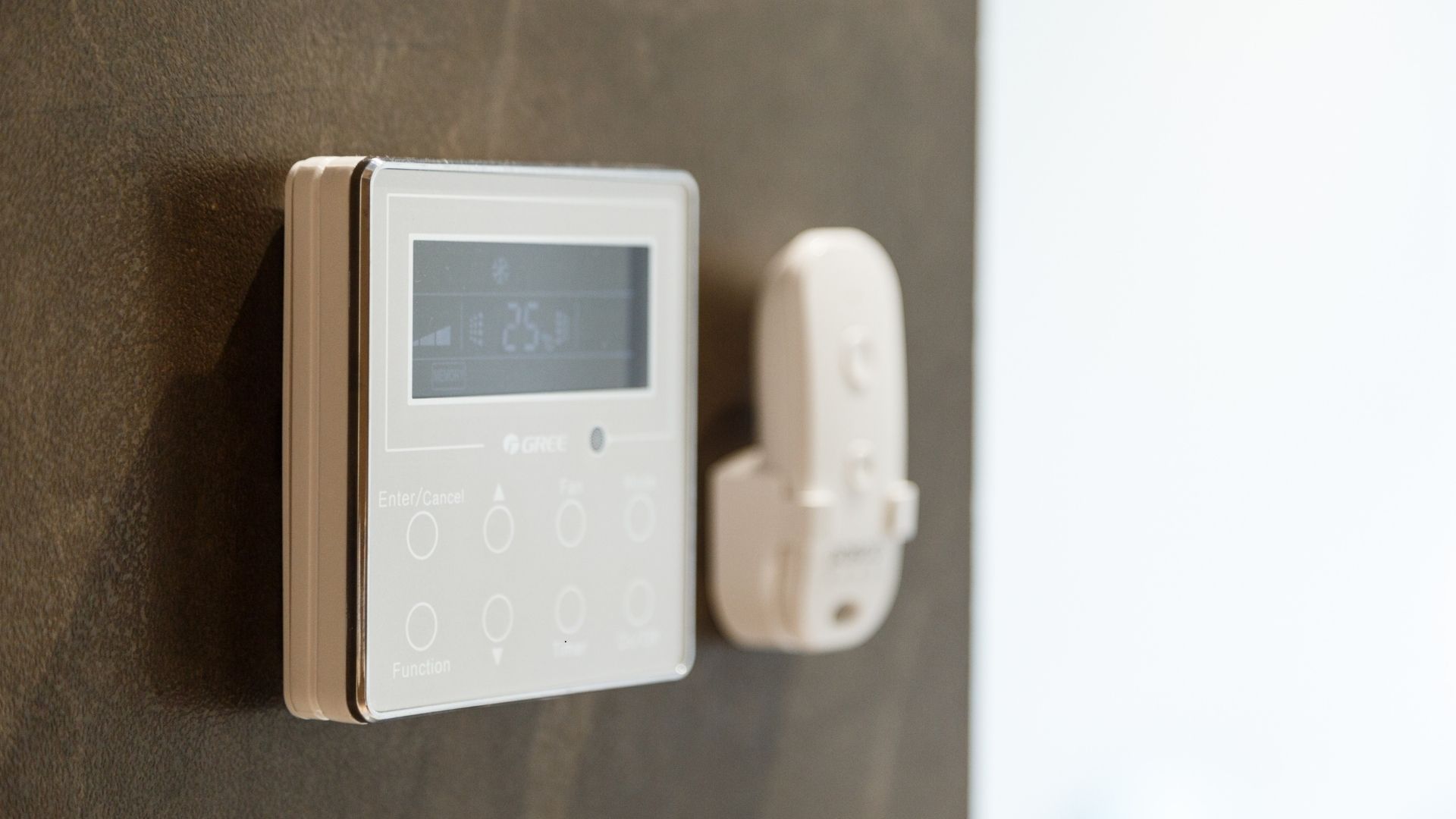
AC ceiling fans usually have 3 speeds and work with standard wall switches, including speed controllers. If your home already has a fan switch on the wall, an AC fan will work with it. The one drawback is the reverse function. On many AC fans, you need to physically access the motor housing to flip a switch or install a separate wall controller.
DC ceiling fans typically have 5 to 6 speeds and always come with a remote. Most DC fans won't work with a standard wall speed controller, so if you’re prone to losing remotes, this might be a drawback. If you're replacing an AC fan and expecting your existing switch to carry over, check before you buy. Some DC models do offer a wall controller, but it's often sold separately. The reverse function is easier on DC fans because it's built into the remote, so you don't have to climb a ladder to switch between summer and winter modes.
Wi-Fi-enabled DC fans are also becoming more common. These connect to Google Home or Amazon Alexa so that you can control the fan by voice or through an app.
The Right Fan for Each Room in Your Home
In a bedroom, DC is the stronger choice. The quiet operation at low speeds is a genuine quality-of-life improvement, and it's worth the extra spend for a room where you sleep.
For a living room or main area, either type works. If the fan is going to be running most of the day through summer, DC's lower running costs and quieter motor start to add up. But a quality AC fan won't let you down here either.
For outdoor areas like patios and alfresco spaces, look for IP-rated, damp-rated or wet-rated fans regardless of motor type. Wollongong's coastal climate means salt air and humidity can take a toll on electrical fittings and electrical components over time. Both AC and DC models are available in outdoor-rated configurations. Easther Electrical supplies and installs IP-rated, damp and wet-rated ceiling fans suited to coastal conditions.
For a rental property or secondary bedroom, AC is a perfectly cost-effective and sensible choice. The lower price point and straightforward wall panel controls make AC fans practical for properties where advanced features aren't a priority.
If you're renovating or building, DC is increasingly the standard in new installs. It's a good opportunity to future-proof your home with modern features, better energy efficiency, and quieter fans that will serve you for years.
Is Fan Installation a DIY Job?
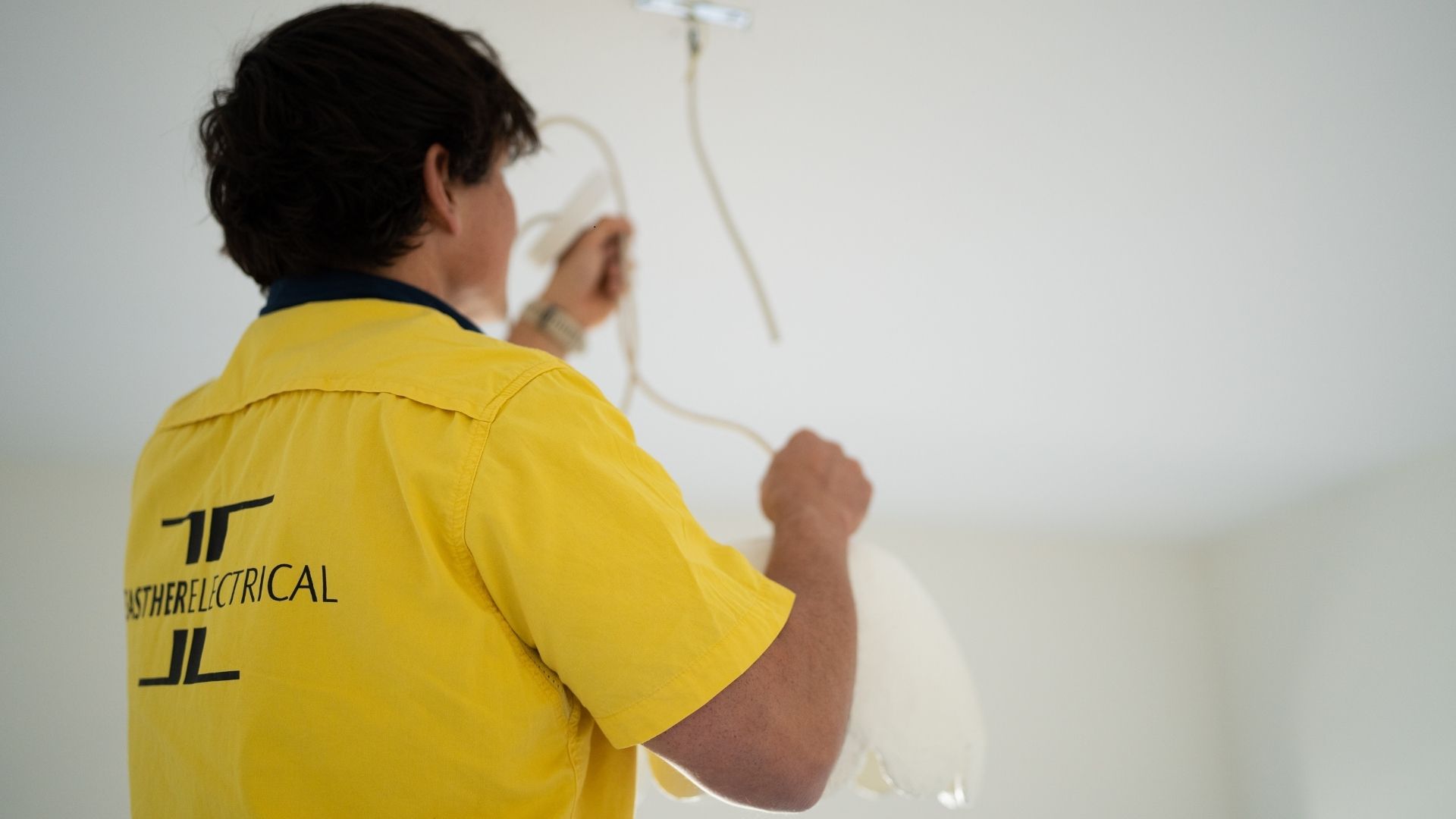
No, it isn’t. Regardless of whether you go AC or DC, ceiling fan installation in NSW must be carried out by a licensed electrician. AC ceiling fans are generally easier to install and maintain, with simpler electrical components and fewer parts. DC fans are slightly more complex inside the motor housing, but from the electrician's perspective, the installation process is very similar for both. Ceiling fan installation involves working with your home's fixed wiring, mounting a bracket to the ceiling structure, and testing the electrical connections; work that carries real risk of electric shock or fire if it's not done correctly.
Which One Should You Choose?
Both AC and DC ceiling fans are good options for Australian homes. It comes down to your budget, which rooms you're fitting out, and what matters most to you. DC fans are quieter, more energy efficient, and offer more speed settings and advanced features. AC fans are cheaper upfront, simpler to control with a wall switch, and generally easier to maintain.
If you need help choosing the right fan for your home or want to book a ceiling fan installation in Wollongong, the team at Easther Electrical can help. Give us a call or request a free quote.