
How to Connect a Generator Safely and When to Call an Electrician
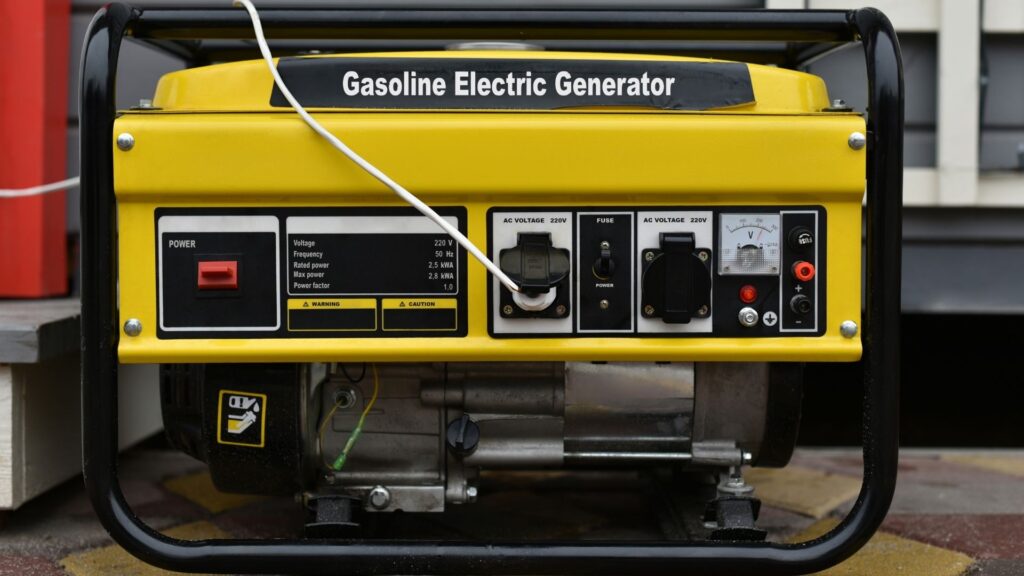
When the power goes out, your generator can quickly become the backup you rely on to keep the essentials running. From fridges and freezers to lights, chargers and key appliances, it can make a stressful situation much easier to manage. But the time to think about generator safety is before you need it most.
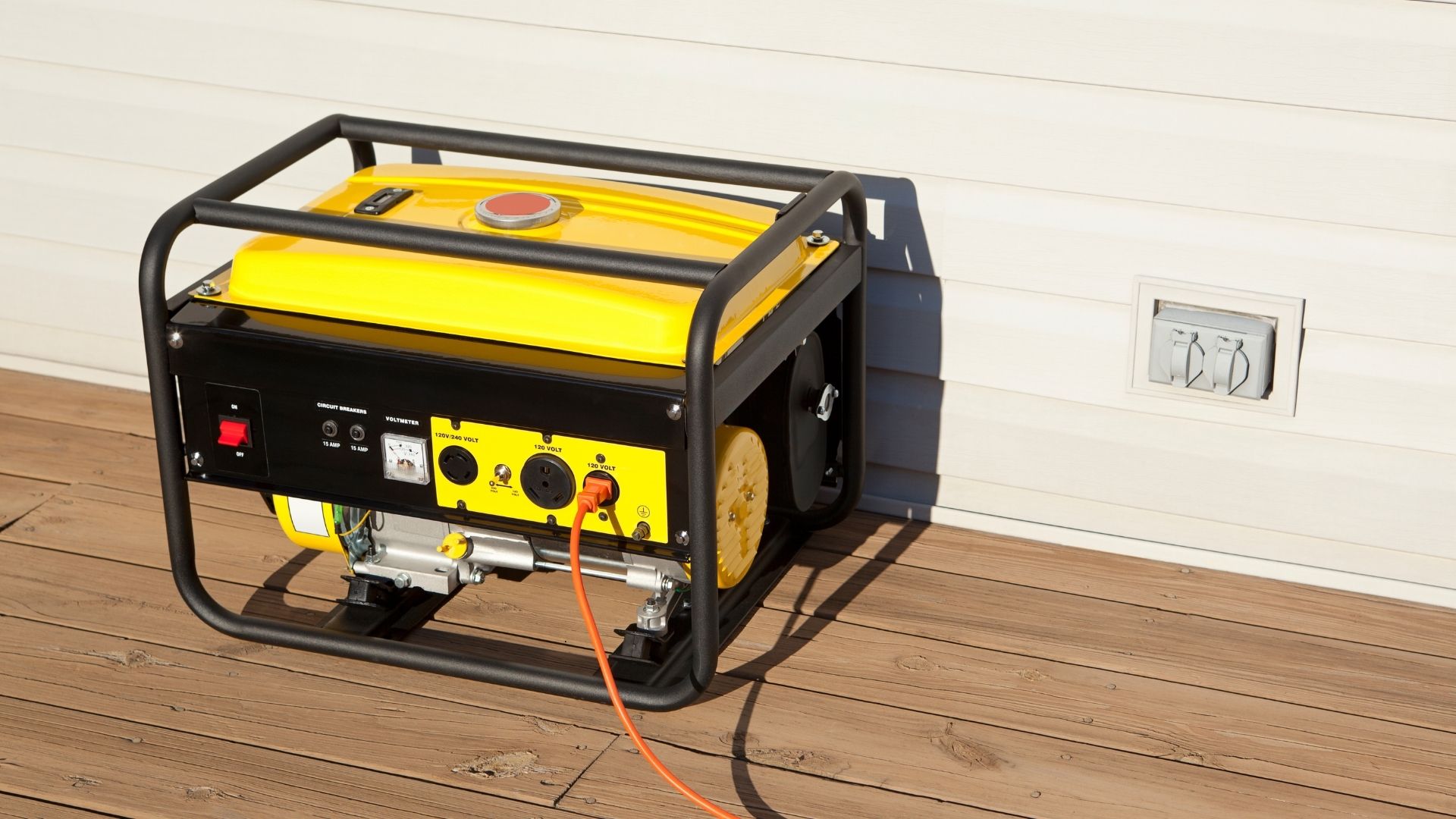
A portable generator can be used safely for a few appliances when it’s placed outdoors in a well-ventilated area and connected with suitable outdoor-rated extension leads. However, connecting a generator directly to your home, switchboard or a wall outlet is a completely different job. This type of setup must be handled by a licensed electrician to prevent serious risks such as electric shock, fire, carbon monoxide exposure or backfeeding power into the grid.
Safe Ways to Connect a Generator
Generators come in a few types: petrol, diesel, inverter, and standby. But whatever type you’ve got, there’s a real difference between powering a few appliances and connecting a generator to your home’s wiring.
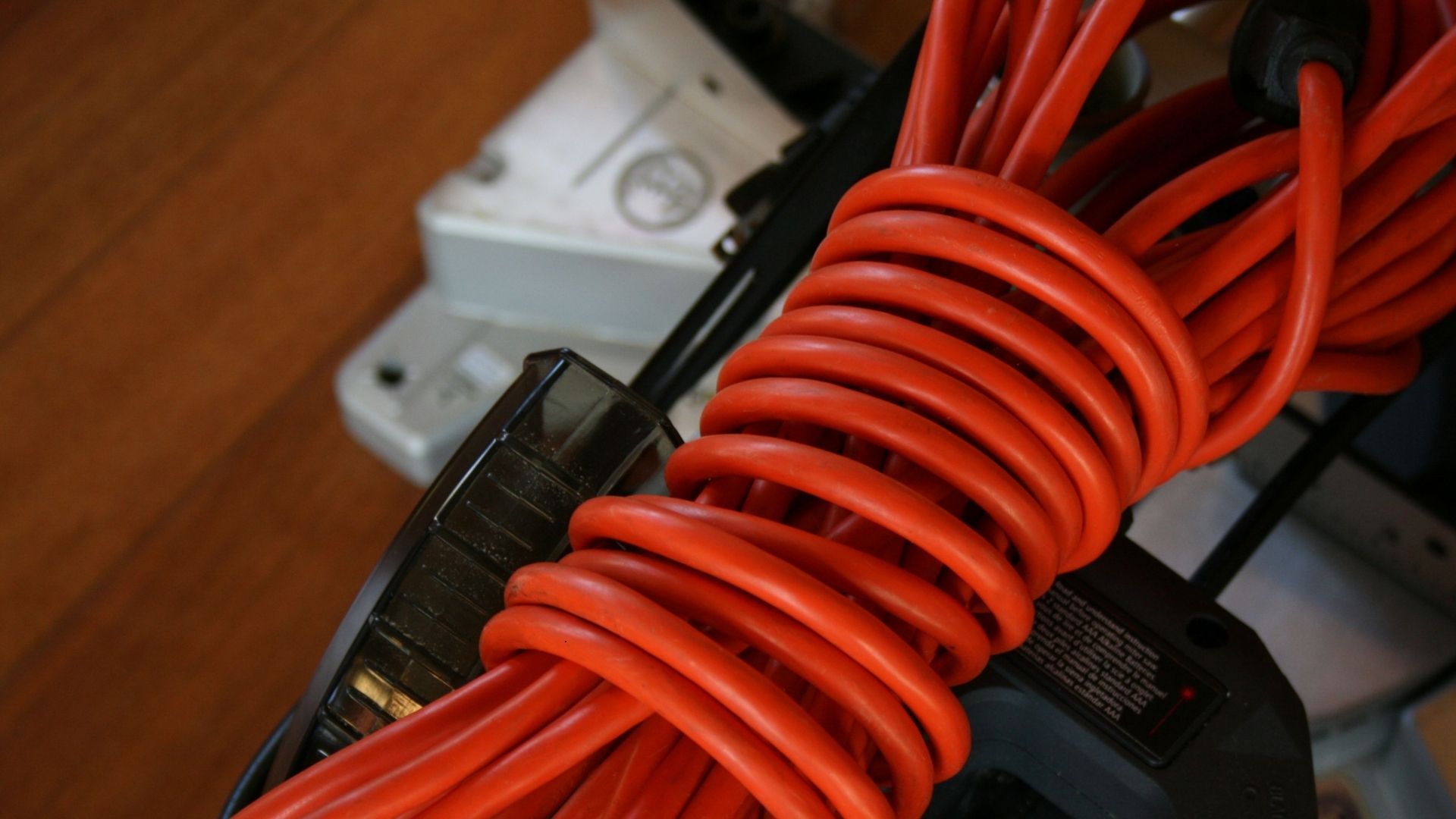
For basic use, run heavy-duty extension cords straight from the generator to the appliances you need.
- Keep the generator outdoors, well away from windows, doors, and vents
- Only plug in what you actually need. Check your total load, including starting watts, against what the generator can supply
Want fixed wiring or your whole switchboard powered instead? That’s a licensed electrician’s job. They might recommend a generator inlet, a changeover switch, or a transfer switch, depending on your property.
Never Backfeed Your Home
A backfeed occurs when a generator sends electricity back through your home’s wiring and out to the electrical grid, instead of keeping that power safely isolated to your property.
It might sound like a quick workaround in a blackout, but it is extremely dangerous. Backfeeding can make wires live when utility workers believe they are switched off, putting them at risk of a serious or even fatal electric shock. It can also damage your generator when mains power is restored. A correctly installed changeover switch is what stops this from happening in the first place.
Never plug a generator into a household power point to power your home. If you want generator power connected to your switchboard, call a licensed electrician.
What You Should Never Do
- Never run a generator indoors, in a garage, shed, or under the house
- Never plug it into a wall outlet, or connect it to a switchboard yourself
- Never use damaged or indoor-only leads, or overload it
- Never refuel it while it’s running or still hot
- Never ignore sparking, tripping breakers, or overheating
- Never assume a generator suits solar, batteries, or a UPS system without checking
Carbon monoxide is invisible. It can poison you quickly and without warning, so keep exhaust fumes and naked flames well away from doors and windows. Ventilation isn’t optional.
When to Call a Licensed Electrician
Call an electrician if:
- You want the generator connected to your switchboard or fixed circuits
- You need a changeover switch, transfer switch, or generator inlet installed
- You’re not sure what size generator you need, or your safety switch keeps tripping
- You need backup power for pumps, refrigeration, a workshop, data equipment, or other sensitive gear
- You manage a rental, strata, or commercial site, or already have solar and battery storage
- You notice no power output, notice damage near the inlet, or a burning smell near the leads. These are signs of a fault, and you can’t work around them or push through despite them. Preventative maintenance catches problems like this before an outage, not after one.
Why a Changeover Switch Matters
A changeover switch lets your property draw power from one source at a time. It’s either the grid or the generator, never both. That’s what makes backfeeding physically impossible once it’s wired in correctly.
It also lets an electrician wire in only the circuits you actually want running during an outage, like the fridge, the lights, or a pump, rather than the whole switchboard.
But choosing and installing one isn’t a DIY job. It means assessing your switchboard, selecting an inlet location, and sizing the switch for your load, all of which is licensed electrical work and should be carried out to Australian standards.
What Should Your Generator Power?
Not every appliance belongs on the same generator:
| Essential | Fridge/freezer, phone charging, lighting, medical devices, security systems |
| High-demand | Air conditioning, hot water systems, large pumps, welders, commercial refrigeration |
| Sensitive | Computers, servers, data centres, POS systems |
Starting watts run higher than running watts. Our electrician’s advice is not to guess when sizing for anything critical.
Generator Safety Checklist Before an Outage
- Confirm what you need to keep running, and check the generator’s power rating
- Test your extension cords and store fuel safely, away from ignition sources
- Keep the generator serviced, and install a carbon monoxide alarm
- Confirm your safety switches and circuit breakers are working
- Decide where the generator will sit: dry, but still ventilated. Write a short outage plan for family, tenants, or staff
Generator Safety for Wollongong Homes and Businesses
Wollongong and the Illawarra get their share of storms. Backup power planning is worth doing before a blackout, not during one.
Coastal weather and older switchboards are a common combination locally, and older boards sometimes need checking before backup power gets added. Businesses in Port Kembla, Unanderra, Fairy Meadow, and Shellharbour commonly rely on backup for refrigeration, security, or equipment that can’t sit idle. And if you’re a landlord, get the setup checked properly rather than arranging something informal.
Portable Generator or a Backup Power System?
| Portable generator | Short outages, a few appliances | No |
| Inverter generator | Quieter, cleaner power for sensitive electronics | No |
| Standby generator | Automatic backup for a whole property, often on natural gas or propane | Yes |
| Battery backup / UPS | Short bridging power for computers or security | No |
| Generator with changeover switch | Reliable backup to selected circuits | Yes |
A small portable generator is usually enough for short-term use. If you need something wired into fixed circuits, speak to one of our licensed electricians.
How Easther Electrical Can Help
If you’re planning to use a generator at home or work, Easther Electrical can check your setup and recommend a safer, compliant solution. Our preventative and reactive maintenance services cover generators alongside switchboards, safety switches, and other backup power equipment across Wollongong and the surrounding suburbs.
We start by working out what you actually need to power. From there, we assess your switchboard and load requirements before recommending a changeover switch or the appropriate maintenance plan.
Get in touch with Easther Electrical before you buy or install a generator setup, so you know it’s safe from the start.
FAQs
Do you need an electrician to connect a generator?
Only if you’re connecting it to house wiring, a switchboard, or fixed circuits. Powering appliances directly with suitable leads doesn’t need one.
What is the 80% rule for generators?
Avoid running a generator at or above 80% of its rated capacity continuously. This protects it from overheating and leaves headroom for higher starting watts.
What is the legal way to connect a generator to your house?
Through a changeover switch installed by a licensed electrician, with a generator inlet wired into your switchboard.
How much does it cost to have an electrician hook up a generator?
It depends on the job. A simple appliance inlet is generally a smaller job than fitting a full switchboard changeover, with the final cost depending on labour, materials and the setup required. As a guide, this can range from around $800 to $3,500. Either way, it’s best to get a quote before you buy, so you know exactly what you’re working with.