
How to Choose the Right EV Charger for Your Home
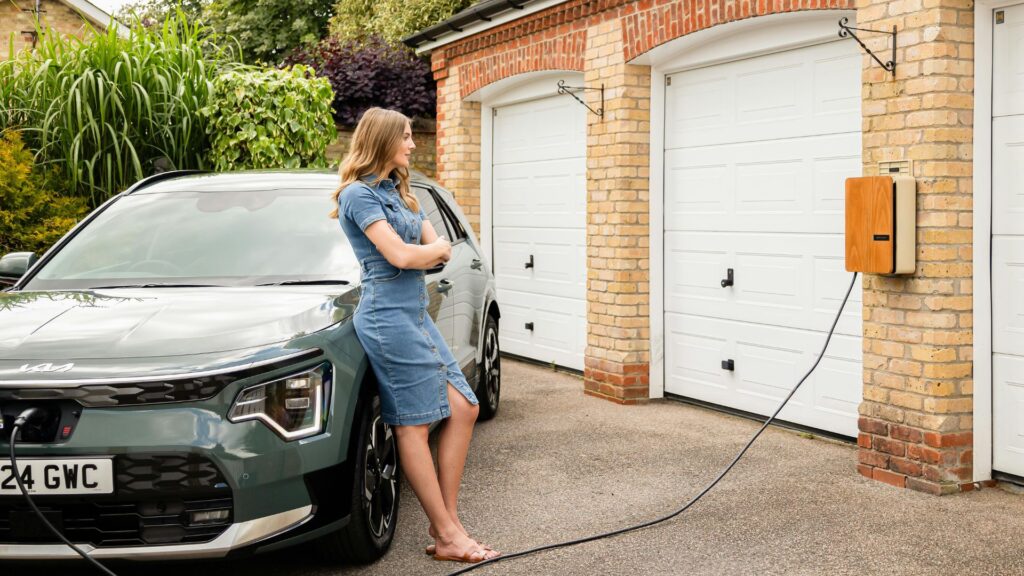
You see electric vehicles everywhere in Wollongong now. And if you've just bought an electric car, you're probably wondering which home charger to install.
It's not as straightforward as it should be. There are different power levels, brands, features, and prices. Some electric vehicle chargers cost $700, others $1,600. Some plug into regular outlets, others need three-phase power.
It comes down to what your car can actually handle, what power supply you've got at home, how far you drive each day, and whether you'll actually use smart features.
Here's what actually matters when you're choosing a charger for your home.
The Three Types of EV Charging
| Charging Level | Power Output | Range Per Hour | Time to Full Charge | Best For | Installation |
| Level 1 (Standard outlet) | 2.4kW (depending on socket and EVSE limits) | 10-15km | 24+ hours | Emergency backup only | Plug into regular socket |
| Level 2 (Home charger) | 7kW - 22kW | 40km (at 7kW) | 6-8 hours | Daily home charging | Hardwired by electrician |
| Level 3 (DC Fast) | 50kW+ | 300km+ | 30-60 minutes | Commercial/public only | Not available for homes |
Level 1 Charger
Most people start with Level 1, which just plugs into a power point wall socket. However, the charging speed isn't sustainable for daily use, as it takes over 24 hours to fully charge a flat battery.
Level 2 Charger
Level 2 chargers are what almost everyone ends up installing. This type of charger is hardwired and adds about 40km of range per hour at 7kW. Plug your car in when you get home from work, and you'll have a full battery by morning.
Level 3 Charger
Level 3 chargers are the commercial units at shopping centres and service stations. The power draw is too high for residential use, the equipment costs $30,000+.
What Actually Matters When Choosing a Charger
Your Car's Charging Limit
Your EV has a maximum charging speed built in. You can't exceed that, regardless of which home EV charger you install.
A BYD Atto 3 maxes out at 7kW. An MG ZS EV? Also 7kW. Tesla Model 3 can do 11kW. So if you own a BYD and buy a 22kW charger, you've wasted money. Your car still only charges at 7kW.
Check your vehicle specs before buying anything. Here's what common models can handle:
| EV Model | Max Charging Speed |
| Tesla Model 3/Y | 11kW |
| BYD Atto 3 | 7kW |
| MG ZS EV | 7kW |
| Hyundai Ioniq 5 | 11kW |
| Polestar 2 | 11kW |
Single-Phase vs Three-Phase Power
Most Australian homes have single-phase power. That caps you at 7kW.
Three-phase power is less common. You'll mainly see it in newer homes, bigger properties, or places where someone's paid for an electrical upgrade. With three-phase, you can install 11kW or 22kW chargers.
Open your meter box and look. Single-phase has one thick wire, whereas three-phase has three. Sometimes your electricity bill will tell you too.
The thing is, 7kW handles normal driving fine. Do 50km a day, plug in for eight hours, and you're adding 320km of range. That's more than most people need.
The distance between your switchboard and where you park matters, too. The further apart they are, the more cable your electrician needs to run, which increases the cost.
How Much You Actually Drive
Be realistic about your daily driving. Most overestimate what they need.
Many Wollongong commuters drive around 40-60km per day. Even if you only charge for six hours overnight, a 7kW charger adds 240km of range, which would be more than enough.
You only need faster charging if you're regularly doing 150km+ days or you can't charge your EV battery overnight for some reason.
Smart Chargers vs Basic Ones
Basic chargers have one job: charging your car when it's plugged in.
Smart chargers connect to WiFi and let you control things through an app. You can schedule charging times, monitor energy use, and set charging to occur only during off-peak electricity hours when electricity is cheaper.
Some smart chargers can also work with solar power systems. They'll prioritise charging when your solar panels are producing excess power.
The price difference is usually $300-600. Whether that's worth it depends on your electricity tariff and whether you have time-of-use pricing. If you're on a flat rate all day, smart features don't save you much.
Cable Attached or Not?
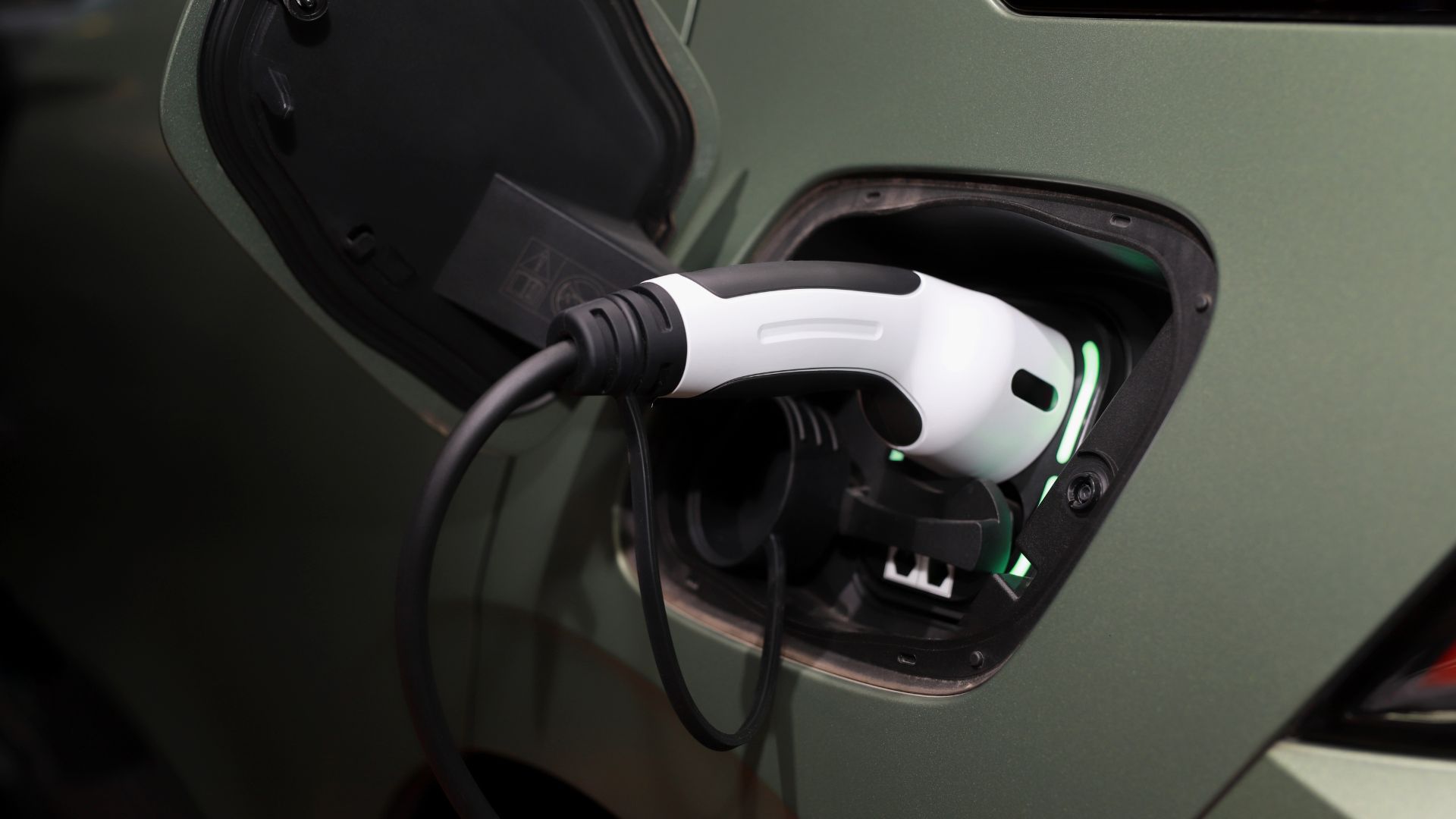
Tethered chargers have the cable permanently attached. Untethered ones need you to use your own cable (the one that came with your EV).
Tethered is more convenient. You just pull up and plug in. But if you think you might own multiple EVs or want flexibility down the track, untethered makes more sense.
If you live in a coastal area, tethered cables sit outside exposed to the weather. Salt air and UV wear them down over time. Whatever charger you choose, make sure it's got an IP65 rating or better for weather resistance.
Common Mistakes When Choosing an EV Charger
Buying a Charger Before Checking Your Car Specs
A 22kW charger won't make your 7kW BYD charge any faster. You're paying extra for power your car can't use.
Forgetting to Measure the Cable Reach
Most cables are 5-7 metres. If your charging port ends up on the opposite side of where you mount the charger, you'll have to stretch the cable across your driveway every night.
Not Considering a Second EV Down the Track
If your partner buys an EV in a few years, can your system handle two chargers running at once? Some smart chargers can split power between multiple cars, which saves you from expensive upgrades later.
Where to Install Your EV Charger
Inside Beats Outside
Garages are best. The charger stays dry, it's more secure, and the weather doesn't beat it up. But if you park outside, just get one rated for outdoor use (IP65 or higher).
Cable length matters more than people think. Most cables are 5-7 metres. Measure the distance from where you'll bolt the charger to where your car's charging port sits when parked.
Distance From Your Switchboard Matters
The further your charger is from your switchboard, the more the installation costs. The electrician must run a dedicated circuit from the switchboard to the charger. More cable, more digging, more money.
If you're mounting it 30 metres away on the far side of your property, expect a bigger bill.
Salt Air Wrecks Things
Coastal homes are exposed to salt air, so get a charger with stainless mounting hardware and a proper weather rating. Tethered chargers have the cable permanently attached and sitting outside, so UV resistance actually matters.
And don't mount it so low that the plug ends up sitting in a puddle when it rains. About chest height works.
A Few Charger Options to Consider
| Charger | Power | Price (unit only) | Best For |
| Tesla Wall Connector | Up to 11kW | $750-850 | Tesla owners, but works with other EVs using an adapter. Built-in WiFi and can share power between multiple units. |
| Ohme Home Pro | 7kW | $900-1,100 | Good value for smart features. App control and scheduled charging work well if you're on time-of-use rates. |
| Zappi | 7kW | $1,400-1,600 | Best if you've already got panels installed. Built for solar system integration with different eco modes. |
Installation adds another $600-1,500, depending on your setup.
You Need an Electrician to Install It
Don't try installing an EV wall charger yourself. It's illegal in NSW, voids your warranty, and is genuinely dangerous.
EV chargers draw serious power. They need their own circuit, proper safety switches, and correctly sized cable. A licensed electrician will:
- Check your system can handle the load
- Install the dedicated circuit with appropriate protection
- Mount and wire the charger properly
- Test everything and give you compliance certificates
Installation costs depend on your setup. If your parking spot is close to the switchboard and you don't need upgrades, expect to pay less. Long cable runs, buried conduits, or three-phase installations cost more.
Most standard installations in Wollongong run between $600 and $1,500.
How to Choose Your EV Charger
Look up what your car can handle first. A BYD Atto 3 maxes out at 7kW. Tesla Model 3 does 11kW. Buying a faster charger won't speed things up if your car can't use it.
Then work out what power you've got. Most homes in Australia run on single-phase power, which means you're stuck at 7kW. Three-phase power lets you go higher, but that's mostly newer houses or bigger properties.
How far do you drive most days? If it's the usual 40-60km around Wollongong, a 7kW charger gives you about 240km overnight. More than you need unless you're regularly covering big distances.
Smart chargers let you set charging times through your phone. The real benefit is charging when power's cheap if you're on time-of-use rates. That can save you hundreds a year. If you pay the same rate all day, smart features don't do much for you.
They also work with panels if you've already got them. But if you don't have off-peak rates or panels, you're probably paying for features you won't use.
A 7kW charger covers daily driving for most people here. Smart or basic depends on whether you'll actually save money with scheduled charging.
Once you've figured out what you need, you'll need a licensed electrician to install it properly.
Get It Installed Properly
What works for your neighbour might not work for you. If they've got three-phase power and a Tesla, that's different to you running a BYD off single-phase in a 1970s house.
Easther Electrical installs EV chargers around Wollongong. We'll come check your setup, work out what charger suits your car and how much you drive, then get it installed so you can enjoy your new electric vehicle!
Common Questions
How long does installation take?
Usually 2-4 hours if everything's straightforward. If your switchboard needs work or the cable run's a pain, this will obviously take longer depending on your needs. When you speak with your electrician, ask for a timeline when they provide you with a quote.
What's it cost to run?
Say you drive 50km a day. That's about 10kWh of power - roughly $3-4 a day at NSW rates. Works out to about $90-120 a month. Compare that to what you'd spend on petrol for the same distance. Most people charge overnight when rates are cheaper if they're on a time-of-use tariff.
Can two cars share one charger?
They can, but not at the same time unless you've got a load-sharing setup. Most people just rotate - one car tonight, the other tomorrow night. Or install two chargers if your system can handle it.
Do I need council approval?
Not usually for a basic home install. But if you're in a unit or doing major electrical work, check with strata or council first.