
Planning a granny flat usually focuses on the floor plan, the kitchen, wall colour, and the council approval process, leaving the electrical work until last. In reality, electrical work is one of the most practical and important considerations.
A granny flat needs its own wiring and circuits, a switchboard that can handle the extra load, power points, lighting and smoke alarms, and often a separate meter and a Level 2 connection. It's a self-contained living space and, in NSW, it’s classed as a new dwelling, so it needs the same compliant electrical services as a small home.
What Electrical Work Does a Granny Flat Usually Need?
A granny flat usually needs a complete electrical plan: power supply, internal wiring, lighting, safety switches, smoke alarms, appliance circuits and compliance testing. Your electrician should be across the following:
- Electrical wiring and circuit planning
- A main switchboard assessment, and sometimes an upgrade
- Power point installation throughout the living area
- Lighting, inside and out
- Hardwired smoke alarms
- Dedicated electrical circuits for appliances like ovens and air conditioning
- Data and communication cables
- Connecting power and metering, often with a Level 2 electrician
- Testing, final inspection and compliance documentation
In some cases, the meter box and main switchboard may need to be modified, or the power supply may need to be assessed by a Level 2 electrician. All of it must comply with AS/NZS 3000:2018, the wiring rules used across Australia.
Start With the Existing Home's Electrical Capacity
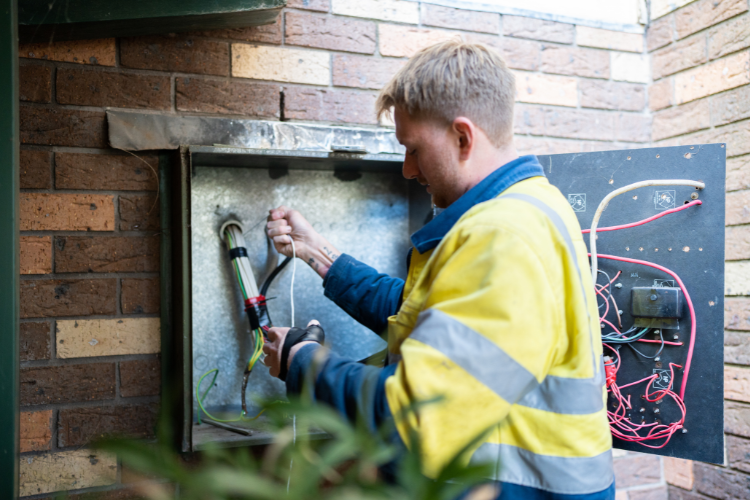
The first job isn't in the granny flat, it's at your main switchboard and meter box.
Your home was wired for one dwelling, and adding a secondary dwelling puts more demand on a system that may not have spare capacity, with plenty of older Wollongong and Illawarra homes never designed to run two dwellings. Be aware of these signs that your home may not be ready for a secondary dwelling:
- An old ceramic fuse box instead of circuit breakers
- Electrical circuits that trip often
- No safety switches (residual current devices) on the board
- Little or no spare capacity
- Flickering lights, or a switchboard that feels warm or buzzes
If your meter box contains asbestos, it's important to check the applicable Australian Standards and network provider requirements. In some cases, the asbestos meter panel or meter box may need to be replaced before new metering equipment or electrical installations can be completed.
When a Switchboard Upgrade May Be Needed
A granny flat adds a real electrical load from cooking, heating, air conditioning, electric hot water, and everyday appliances. If your board is near its limit, it won't safely carry a second dwelling, however a switchboard upgrade brings the system up to capacity and adds the safety switches required under NSW standards. Licensed electricians size the load for the granny flat, planned appliances, heating, and cooling so it remains compliant with AS3000. Checking this early avoids redesigns and delays.
Internal Wiring, Circuits and Power Points
Inside the flat, the wiring goes in at the rough-in stage, when cables run through the wall frame before the plasterboard goes up. Plan power points room by room around how the living space will be used:
- Kitchen: fridge, cooktop, oven and dishwasher, with dedicated circuits for large appliances
- Laundry: washing machine and dryer
- Living area: TV, Wi-Fi and charging points
- Bedroom: power beside the bed and wardrobe lighting
- Outdoor: weatherproof power points for the patio
Plan for several double power points in each room with dedicated electrical circuits for large appliances such as ovens and air conditioning. It pays to wire for the future, too, like an EV charger installation, while the walls are open. Map your power points before the walls are lined, not after fit-off.
Lighting, Fans and Everyday Comfort
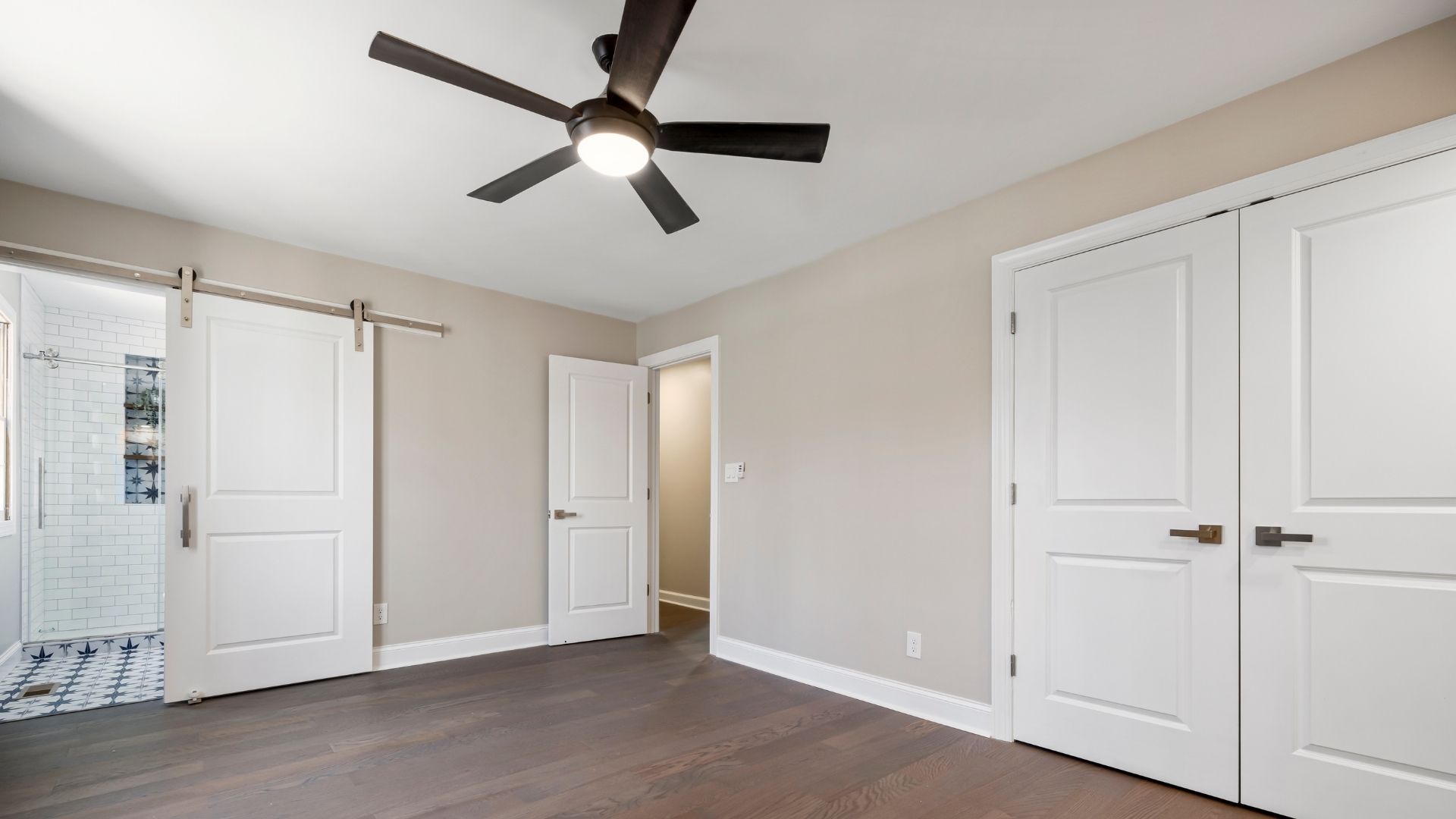
Lighting planning is about comfort, style, and practicality, not just compliance. A typical granny flat lighting plan covers:
- Ceiling lights and LED downlights
- Feature lighting where it suits the space
- Exhaust fans in the bathroom and kitchen
- Ceiling fans for airflow
- Outdoor and sensor lighting along access paths
LED fittings are energy efficient, using less power and lasting longer, which keeps electricity usage and energy costs down in a tenanted flat. Matching your lighting needs to each room helps daily life, especially for an elderly parent or tenant who needs well-lit access.
Smoke Alarms and Safety Requirements
For a new dwelling like a granny flat, interconnected photoelectric smoke alarms are required in the bedrooms and connecting hallways, hardwired into the mains power supply with battery backup.
If the flat is rented, you have ongoing obligations to keep them working, and these systems must be in place to pass the final inspection and secure an Occupation Certificate. Our electricians advise on placement and handle smoke alarm installation as part of the wiring plan. Residual Current Devices (RCDs) are generally required on all final subcircuits under AS/NZS 3000 to help protect occupants from electric shock.
Data, Internet and Communication Cables
A granny flat also needs to be connected. Plan for:
- An NBN or internet extension from the main home
- Ethernet and communication cables for a wired connection
- Solid Wi-Fi coverage and TV points
- Smart lighting, or an intercom for tenants or family
Data cabling installation is far easier during construction than as a retrofit, so run it before the walls are closed up.
Do You Need a Separate Meter or Level 2 Electrician?
Not every granny flat needs a separate meter, so don't pay for one you don't need. But it's worth it for a rental to keep electricity costs separate and charge tenants cleanly for extra income.
Once the wiring is complete, the flat is reconnected to the main supply. Heavy-duty conduits run underground from the connection point at the meter box to the granny flat's sub-board. Where the existing street-pole cable can't carry both dwellings, the mains power connection has to be upgraded. That network-side work is for a Level 2 electrician who is authorised to work on the distribution network, handle meter installation and make new connections. Only licensed Level 2 electricians can legally connect power this way.
What a Standard Electrician vs. a Level 2 Electrician Can Do for Your Granny Flat
| Standard Licensed Electrician | Level 2 Electrician |
| Internal wiring and electrical circuits | Connecting power from the network |
| Power point installation, lighting and fans | Mains power and street pole connection |
| Sub-board inside the flat | New meters and separate electricity meters |
| Appliance connections | Upgrading the main supply |
| Smoke alarms and safety switches | Meter box work and new connections |
| Testing and certification | Connection point and network services |
Some granny flat projects need both. Easther's electricians hold both qualifications, so the network connection and the internal electrical services get done as one job.
When a Separate Meter Is Worth It
The main options are a separate network meter (commonly called a granny flat meter), a submeter, or shared metering, with the separate granny flat meter most common for rentals. Under NSW rules, tenants can only be charged for electricity if the granny flat is separately metered. A granny flat meter keeps billing clean and avoids disputes over electricity usage. It pays to have your granny flat meter installation completed by a Level 2 Electrician to streamline the process.
Electrical Compliance, Testing and Certificates
Any fixed electrical work has to be done by a licensed electrician and signed off with a CCEW. Without it, you can run into trouble during the final inspection, at the sale, and with your insurer.
Once the fixtures are in place, compliance testing (insulation, earthing, and polarity) is performed, and a Certificate of Compliance for Electrical Work (CCEW) is issued for the wiring.
Granny Flat Rules and Approval in NSW
In NSW, a granny flat is classified as a secondary dwelling under the State Environmental Planning Policy (Housing) 2021. In Wollongong, you can generally have one secondary dwelling on the same property as a principal dwelling, provided the development meets the relevant planning requirements. A secondary dwelling cannot be subdivided from the main house and sold separately. If the proposal meets the complying development standards, approval may be obtained through a Complying Development Certificate (CDC), often within a couple of weeks, whereas a Development Application (DA) through council can take significantly longer.
Generally, there are a few hard limits to keep in mind for easier approval. Your flat can have a maximum floor area of 60 square metres, on a lot of at least 450 square metres, with set height and setback rules. All granny flats must meet the Building Code of Australia, get separate utility connections where required, and show BASIX compliance. Your electrical layout should match the plans submitted for approval so the wiring and the paperwork line up.
Practical Granny Flat Electrical Checklist
Run through this planning checklist before you speak to a builder or electrician:
- Has the existing switchboard and meter box been inspected?
- Is there enough capacity for the granny flat?
- Are safety switches (RCDs) installed and suitable?
- Does the flat need its own sub-board?
- Are the kitchen and laundry electrical circuits planned?
- Are power points mapped room by room?
- Are hardwired smoke alarms included?
- Are your lighting needs and outdoor lighting covered?
- Are data and communication cables required?
- Is a separate meter needed?
- Is any Level 2 work needed for connecting power?
- Has compliance testing and certification been allowed for?
When Should You Call an Electrician During the Granny Flat Project?

Earlier than most property owners and homeowners do. Bringing the electrician in too late is a common, costly mistake. A renovation electrician should be involved at these points:
- Before finalising plans to check capacity and shape the layout
- Before construction starts so switchboard or supply work is scheduled
- During rough-in to run wiring through the open frame
- During fit-off for power point installation, switches, lights and alarms
- Before the final inspection for testing and the CCEW
- Before leasing to a tenant to confirm the hardwired safety systems
Early planning prevents costly surprises like a board that needs upgrading mid-build, too few power points, or forgotten cabling.
Speak With a Wollongong Granny Flat Electrician
Every property is different. An older Illawarra home with an ageing switchboard has very different power requirements to a newer one. The only way to know what your granny flat needs is to have the property assessed.
Easther Electrical works across Wollongong and Illawarra in commercial, residential, emergency and level 2 capacities, covering all electrical renovation requirements. One team handles everything from capacity checks and the fit-out to connecting power, metering and compliance.
Get your granny flat electrical work planned properly from the start. Request a free quote from Easther Electrical today on 02 4256 5899.
Frequently Asked Questions
Can a granny flat use power from the main house?
Often, yes, but the installation must be done by a licensed electrician, and the existing power supply capacity needs assessing first. If there's no spare capacity, the board may need upgrading.
Do I need a Level 2 electrician for a granny flat?
You may. A Level 2 electrician is needed if the project involves metering, new meters, new connections, a granny flat meter or upgrading the mains power supply. Internal wiring is handled by a standard licensed electrician.
What electrical work can I do myself in Australia?
Almost none. Fixed electrical work is illegal for unlicensed people, so wiring, power point installation and connecting power must be done by licensed electricians. Homeowners can help with groundwork, like digging the trench for the underground conduit, which can save money.
How much does granny flat electrical work cost?
It depends on size, the scope of wiring, your capacity and site conditions. Most electricians quote per "point" or at an hourly rate, so a fixed-price quote is best. A separate meter and any network connection work add to the cost, so budget for it early.
Do I get an electrical certificate after granny flat electrical work?
Yes. A Certificate of Compliance for Electrical Work (CCEW) is issued once the wiring work is tested, recording that it meets the standard.
Most Wollongong sellers do not need a standalone electrical certificate to list their home, but the advice floating around online is inconsistent. That confusion is worth clearing up before you start the process so you can move forward with peace of mind and clear expectations.
This article covers what New South Wales actually requires when you sell, what electrical certification involves in NSW, and when it makes sense to get a qualified electrician involved before you list.
This is general information only. For legal advice about your specific sale, speak with your conveyancer or solicitor.
Is an Electrical Certificate Required to Sell in NSW?
Not usually as a standalone sale requirement, but that does not mean electrical safety and compliance should be ignored.
A NSW contract for sale must include a title search, registered plan, drainage diagram, Section 10.7 planning certificate, and a cooling-off rights statement. If the property has a pool or spa, a pool compliance certificate is also required.
NSW property law does require sellers to meet compliance obligations around smoke alarms and safety switches, but a standalone electrical certificate is not a standard requirement for most residential sales, so speak with your conveyancer to confirm what applies to your situation.
What is Required vs. What is Recommended
| Document | Required for sale? | When it applies |
| Title search, registered plan, drainage diagram | Yes | Every sale |
| Section 10.7 planning certificate | Yes | Every sale |
| Pool compliance certificate | Yes — if pool or spa present | When pool exists |
| Smoke alarm compliance | Yes | Every sale |
| CCEW | Not a standard sale document | When electrical work has been done |
| Electrical safety inspection | Not required | Recommended for older or renovated homes |
| Building and pest inspection | Not required by seller | Buyer typically organises this |
| Occupation certificate | Depends on property | Newer builds or major renovations |
What Do People Mean by "Electrical Certificate"?
The term gets used loosely, and that is where the confusion starts.
In NSW, the relevant document is a Certificate of Compliance for Electrical Work (CCEW). Electrical certification involves a licensed electrician inspecting and testing electrical systems and issuing a CCEW once the job is complete. It confirms the work meets Australian Standards, including AS/NZS 3000 (the Wiring Rules), and complies with the Gas and Electricity (Consumer Safety) Act 2017.
A CCEW is not a general property certificate. It is not a building inspection, pest report, or occupation certificate, it applies to specific electrical work that was carried out.
CCEW vs Electrical Safety Inspection
- A CCEW is issued after a specific job is completed and tested.
- An electrical safety inspection checks the condition of existing electrical systems, wiring, switchboard, safety switches, power points. It is an assessment, not a certificate.
A seller may not legally need either to list, but both can matter depending on what has been done to the property.
When Does a CCEW Matter When Selling?
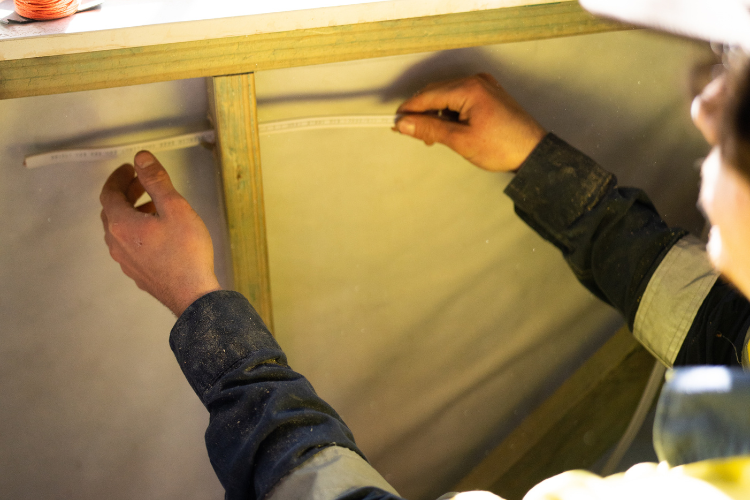
A CCEW is required for any electrical additions, alterations, or switchboard upgrades made during your ownership. It becomes relevant when:
- You renovated the kitchen, bathroom, or laundry and electrical work was done
- There was rewiring, switchboard work, new circuits, or meter work
- An EV charger or major lighting upgrade was installed
- A buyer's solicitor or inspector asks for records of previous electrical work
- There are insurance or warranty questions about previous work
The electrician who carries out and tests the work must give you a copy of the CCEW as soon as practical and no later than seven days after the test is completed. Missing proof of compliant electrical work can cause delays at settlement or lead buyers to raise concerns about unsafe modifications.
From 1 July 2026, all CCEWs in NSW must be submitted through the Building Commission NSW eCert portal. PDF and handwritten forms will no longer be accepted from that date.
Should You Get an Electrical Safety Check Before Selling?
It is not mandatory but can be useful, especially for older Wollongong homes.
A pre-sale check helps identify visible and hidden electrical issues before a buyer's inspector does. It can reduce friction during negotiation, support buyer confidence, and keep the property safe going into exchange.
A check is worth considering if:
- Lights flicker or breakers trip
- Power points feel warm or show visible cracks
- The switchboard uses ceramic fuses
- There are no visible safety switches (RCDs)
- Wiring looks old or damaged
- Exterior fittings show corrosion
- You know DIY electrical work has been done
Why Wollongong Homes May Need Extra Attention Before Sale
A lot of homes across Wollongong and Illawarra were built between the 1950s and 1980s. Older properties often have outdated wiring, ageing switchboards, or damaged wiring that creates real fire hazards and safety risks if left unchecked.
Properties built after 2000 should already have RCDs installed under the Wiring Rules. Older properties often do not, which is one of the most common issues flagged during pre-sale inspections.
Coastal conditions make it worse with corrosion on external fittings, switchboards, and exposed electrical components common in suburbs like Thirroul, Bulli, and Port Kembla.
Here are some examples of what our Wollongong electricians run into during inspections:
- An older Corrimal home with an original switchboard and no safety switches
- A coastal Thirroul property with corroded meter box fittings and damaged outdoor power points
- A renovation in Figtree where kitchen electrical work was done but no CCEW was issued
- A Dapto investment property with faulty wiring that was never properly investigated
None of these will necessarily kill a sale but they are all easier to deal with before you list than after a buyer finds them.
What Electrical Issues Could Affect Buyer Confidence?
| Issue | Why buyers may worry | What a licensed electrician can check |
| Old switchboard | Fire hazards, insurance concerns | Condition, earthing, upgrade options |
| Missing or outdated safety switches | Electrical shocks, non-compliance | RCD presence and operation |
| Flickering lights | Faulty wiring, overloaded circuits | Circuit load and wiring integrity |
| Non-compliant DIY wiring | Unsafe work, no CCEW | Current condition and necessary repairs |
| Damaged power points | Arcing, fire risk | Replacement and testing |
| Exposed cabling | Immediate safety hazard | Assessment and repairs |
| Unclear renovation paperwork | Concerns about unlicensed work | Inspection and compliance advice |
| Outdoor electrical corrosion | Coastal wear, safety hazards | Fittings, conduit and switchboard check |
What If You Cannot Find Old Electrical Paperwork?
Do not panic. Start by checking invoices and emails from whoever did the work, renovation records, and any documents passed on by the previous owner.
If you cannot find a CCEW, contact the original electrician. They are required to have lodged a copy. Still nothing? Speak with your conveyancer about what that means for your sale contract, then book a licensed electrician to inspect and test the installation.
A new electrician cannot issue a CCEW to cover unknown previous work. What they can do is inspect the current condition, test the system, and complete rectification work if required, which would carry its own certificate.
Can You Sell a House With Electrical Problems?
This is a legal and contract question as much as an electrical one.
Property sales in NSW involve contract terms, disclosure obligations, and buyer due diligence. Electrical defects found during a building inspection or buyer walk-through can affect buyer confidence, invite price renegotiation, or become conditions of settlement. In some cases, buyers may withdraw if concerns arise about serious, unsafe modifications.
Serious defects should be assessed by a licensed electrician before you list. Speak with your conveyancer about what you are required to disclose and how known issues should be handled in the contract.
When Should You Call a Licensed Electrician Before Listing?
Call an electrician before listing if any of these apply:
- You recently renovated
- You upgraded or moved power points or lighting
- You upgraded the kitchen, bathroom, or laundry
- You have an old switchboard with ceramic fuses
- There are no visible safety switches
- Lights flicker or breakers trip regularly
- You know DIY electrical work has been done
- The property has been vacant for an extended period
- A buyer or agent has already raised electrical concerns
All electrical wiring work in NSW must be carried out by, or under the supervision of, a licensed electrician. This applies to any new work done before you list as well.
How Easther Electrical Can Help Wollongong Sellers
If you are selling a property in Wollongong and wondering whether you need an electrical certificate, the short answer is probably not. However, having your electrical system checked before listing can help improve the marketability of your property. It gives buyers more confidence, helps your listing stand out for the right reasons, and shows that the home’s electrical system has been inspected by a licensed electrician before going to market.
This becomes priceless if your potential buyer has been burnt before or knows the risk of an unsafe electrical system. It can also reduce the chance of issues being raised during the sale process, giving both you and potential buyers greater peace of mind and a more streamlined experience. Easther Electrical's renovation electrician team handles pre-sale checks, switchboard inspections and upgrades, safety switch checks, rewiring, fault repairs, and compliance work after renovations across residential, commercial, and industrial properties throughout Illawarra.
The team is also Level 2 accredited, covering service connection and metering work that a standard licence does not cover.
Easther has been working across Wollongong for over 10 years, across older homes, coastal properties, and renovated investment properties in Corrimal, Fairy Meadow, Dapto, Figtree, Thirroul, Bulli, Port Kembla, Oak Flats, and Shellharbour.
Planning to sell? Call 02 4256 5899 or request a free quote to book a pre-sale electrical check before you list.
Frequently Asked Questions
Do I legally need an electrical certificate to sell my house in Wollongong? In most standard residential sales in NSW, no. Required sale contract documents include the title search, planning certificate, drainage diagram, and cooling-off statement. A pool compliance certificate is required if the property has a pool or spa. Confirm your specific requirements with your conveyancer.
What is a Certificate of Compliance for Electrical Work in NSW? A CCEW is issued by the licensed electrician who completed specific electrical work. It confirms the work was tested and complies with NSW legislation and relevant Australian standards, including AS/NZS 3000. The customer must receive a copy within seven days of the test being completed.
What paperwork is needed to sell a house in NSW? A standard NSW sale contract requires a title search, registered plan, drainage diagram, Section 10.7 planning certificate, and cooling-off statement. Pool compliance documents are required where relevant. CCEWs for any electrical work done during your ownership should also be kept on file.
How do you get an electrical trade licence in NSW? Electrical trade licences in NSW are issued by NSW Fair Trading. To become a licensed electrician, you need to complete an approved apprenticeship and obtain the relevant qualifications. For full details on requirements and how to apply, visit the NSW Fair Trading website directly.
Can you sell a house without an occupation certificate in NSW? In many cases yes, particularly for older properties. Whether one is required depends on the property and when work was carried out. Speak with your conveyancer for advice specific to your sale.
Can old wiring affect the sale of my house? Old wiring can come up in a building inspection report and affect buyer confidence, price negotiations, or settlement conditions. It does not automatically prevent a sale, but it is worth having a licensed electrician assess anything you are uncertain about before you list.
Who can issue a CCEW in NSW? Only the licensed electrical contractor who carried out and tested the work can issue a CCEW. It cannot be backdated or issued by a different electrician to cover previous unknown work.
If your bathroom renovation involves lighting, power points, exhaust fans, heated towel rails, or any new wiring, yes, you need a licensed electrician. That’s the short answer.
A purely cosmetic update like repainting walls or swapping a mirror probably won’t require one. But most real bathroom renos do involve electrical work, and in NSW, that work must be carried out by a licensed electrician. This article covers when you need one, what they do, what permits apply, and how to avoid the mistakes that cost homeowners money.
When Does a Bathroom Renovation Need an Electrician?
More parts of a bathroom reno require a licensed sparkie than most homeowners expect. The common ones include:
- New or relocated lighting
- Installing or moving power points
- Exhaust fan installation or relocation
- Heated towel rails
- Underfloor heating
- LED mirrors or demisters
- Switch relocation
- New wiring runs
- Rewiring in older homes
- Switchboard upgrades
If your bathroom reno includes any of these, a licensed electrician is required. Under NSW law, electrical wiring work must be carried out by, or under the supervision of, a licensed electrician. This applies in Wollongong and across NSW. Electrical work is classified as specialist work under the Home Building Act 1989, and licensing requirements apply to electrical wiring work regardless of the project value. After the work is tested, the electrician must provide a Certificate of Compliance for Electrical Work, or CCEW, confirming the work complies with the relevant NSW legislation, regulations and Australian Standards.
What Permits Do You Need for Bathroom Electrical Work?
Permits are among the most misunderstood aspects of a bathroom renovation. Homeowners often assume their builder handles all approvals, but electrical work has its own compliance process, separate from general building approvals.
In NSW, any electrical wiring work must be carried out by, or under the supervision of, a licensed electrician. NSW Government confirms that electricians must provide a Certificate of Compliance for Electrical Work (CCEW) to show that the work has been tested and complies with the relevant NSW legislation, regulations, and Australian Standards. Without it, you may not have the proper record showing that the electrical wiring work was completed and correctly certified.
For larger bathroom renovation projects, you may also need a Development Application or Complying Development Certificate, depending on the scope of work. NSW Planning explains that complying development can apply to certain straightforward developments, including some alterations and additions, but the right approval pathway depends on the work being done. Your builder or bathroom renovator can advise on the building approval process, but the electrical work still needs to be handled and certified by a licensed electrician.
If the renovation project exceeds $5,000 in combined labour and materials, the contractor must hold the relevant NSW licence. NSW Government states that kitchen, bathroom and laundry renovation work valued at more than $5,000, including GST, requires the appropriate contractor licence. Specialist trades, including electrical work, must also be carried out by the appropriately licensed specialist, as noted by the NSW Government in its building and trade licence categories.
Permits, approvals and compliance documents are not optional extras. They help protect your property, support your insurance and warranty records, and ensure the electrical work in your bathroom is safe and legally compliant.
What Does a Bathroom Electrician Do?
A licensed electrician does more than fit lights. In a bathroom remodel, they should be involved early, especially before demolition or rough-in work begins.
Before walls or tiles are removed, they can check that existing wiring, switches and power points are safe. If demolition may affect electrical wiring, any live wiring must be isolated or made safe first.
During rough-in, the electrician runs wiring and prepares circuits for lighting, exhaust fans, power points, heated towel rails and underfloor heating where required.
After tiling, they return for the fit-off, installing or connecting the final fittings. Bathroom electrical work must also meet wet-area requirements under AS/NZS 3000:2018, including rules for switches and socket outlets near baths, showers, and basins. The NSW Government outlines common issues with switches and sockets in wet areas that you may need to be aware of before work begins.
Once complete, the electrician tests the work and issues a Certificate of Compliance for Electrical Work, or CCEW. This gives you a formal record that the electrical work was completed and tested by a licensed electrician.
Can You DIY Any Bathroom Electrical Work?
Some cosmetic tasks are fine to handle yourself and don’t require a license or even too much renovation experience, such as painting, tiling, and hardware swaps.
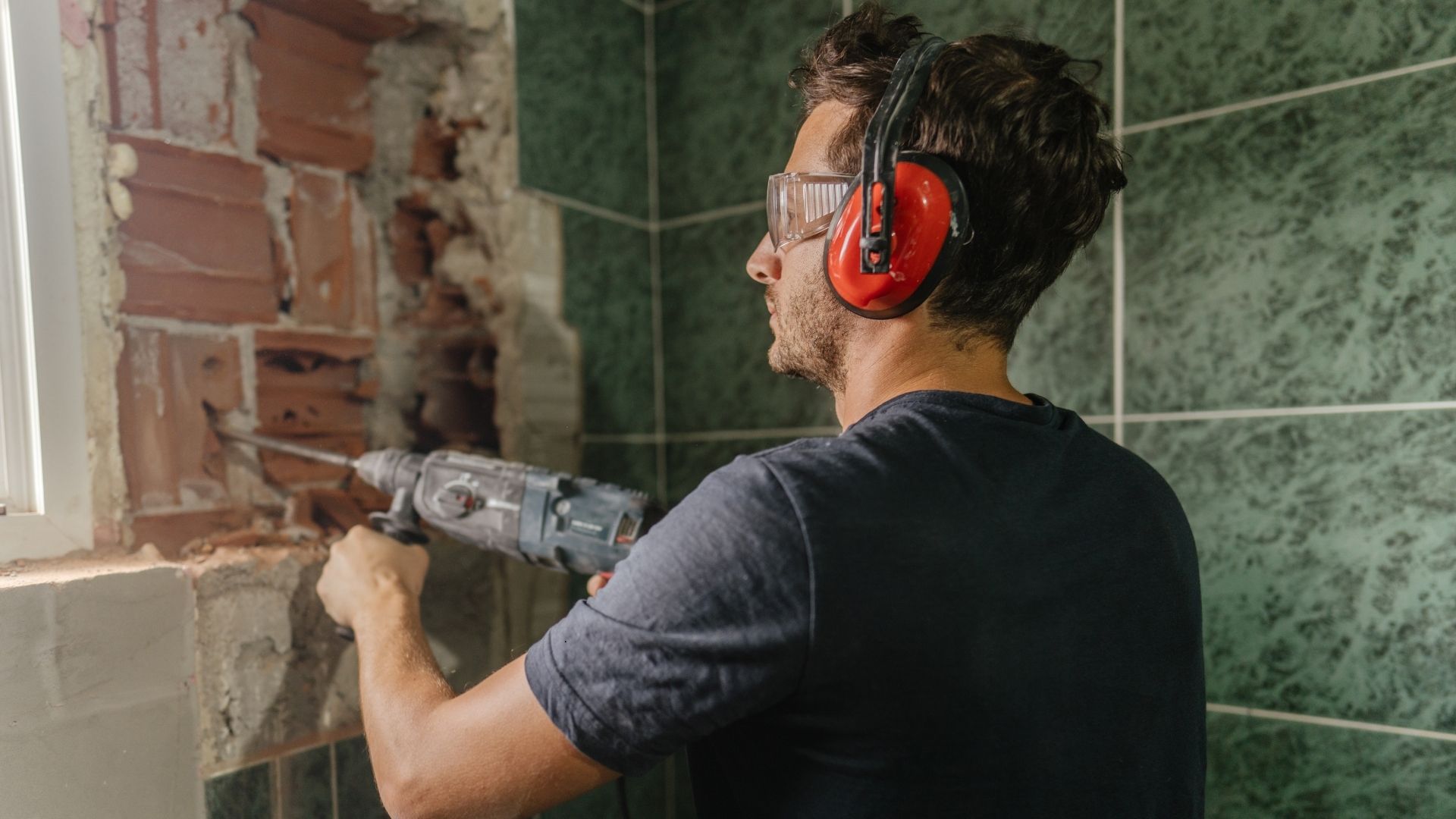
Electrical wiring work is different. In NSW, DIY electrical wiring is illegal. Fines for unlicensed electrical work can reach $22,000 for individuals. And your home insurance policies might not cover water damage or fire damage caused by unlicensed work.
Bathrooms are classified as high-risk wet areas. Electricity and water are a serious combination, and the safety standards around bathroom electrical work reflect that. All bathroom electrical installations in NSW must follow AS/NZS 3000:2018. A licensed electrician knows these rules inside out and works by them on every job.
Bathroom Electrical Zones and Safety Rules in NSW
Electricians divide a bathroom into zones, numbered 0, 1, 2, and 3, based on proximity to water sources, including the shower, bath, and basin. Each zone has specific rules on which electrical services and fixtures can be installed there and what protection is required.
Zone 0 is inside the bath or shower itself. Zone 1 is directly above the bath or shower up to a height of 2.25 metres, Zone 2 extends further out, and Zone 3 covers the rest of the space. Switches and socket-outlets must meet the clearance requirements for their zone or use appropriate protection, such as a shaver outlet with built-in isolation.
NSW inspectors commonly find switches and power points installed too close to wet areas on bathroom renovation jobs. It’s one of the most frequent compliance failures.
Other rules worth knowing:
IP ratings. Light fittings and fixtures in wet zones must carry the correct Ingress Protection rating, meaning they're built to handle moisture in that space.
Safety switches. Residual Current Devices are mandatory on bathroom circuits. They cut power instantly if a fault is detected, reducing the risk of fatal electric shock.
Plan before you tile. Once tiles are on the walls and floor, moving an electrical point means cutting tiles and replastering. Lock in all power outlets and switch locations before waterproofing and tiling begin. This saves money and avoids unnecessary repair work later.
Who Else Do You Need for a Bathroom Renovation?
A bathroom remodel isn’t a one-trade job. The core licensed trades for most bathroom renovations are a plumber, an electrician, and a waterproofer. Depending on the scope of structural work, you’ll likely also need a tiler, and possibly a carpenter or cabinetmaker for storage and joinery.
- Your plumber handles drainage, plumbing fixtures, hot water systems, and toilet installation.
- The waterproofer is mandatory before tiling in wet areas.
- Structural changes to walls or the floor structure require a licensed builder.
Getting all trades involved early and making sure they communicate around the project schedule keeps the renovation work on track and stops one trade from undoing another’s work.
When Should You Bring the Electrician Into the Project?
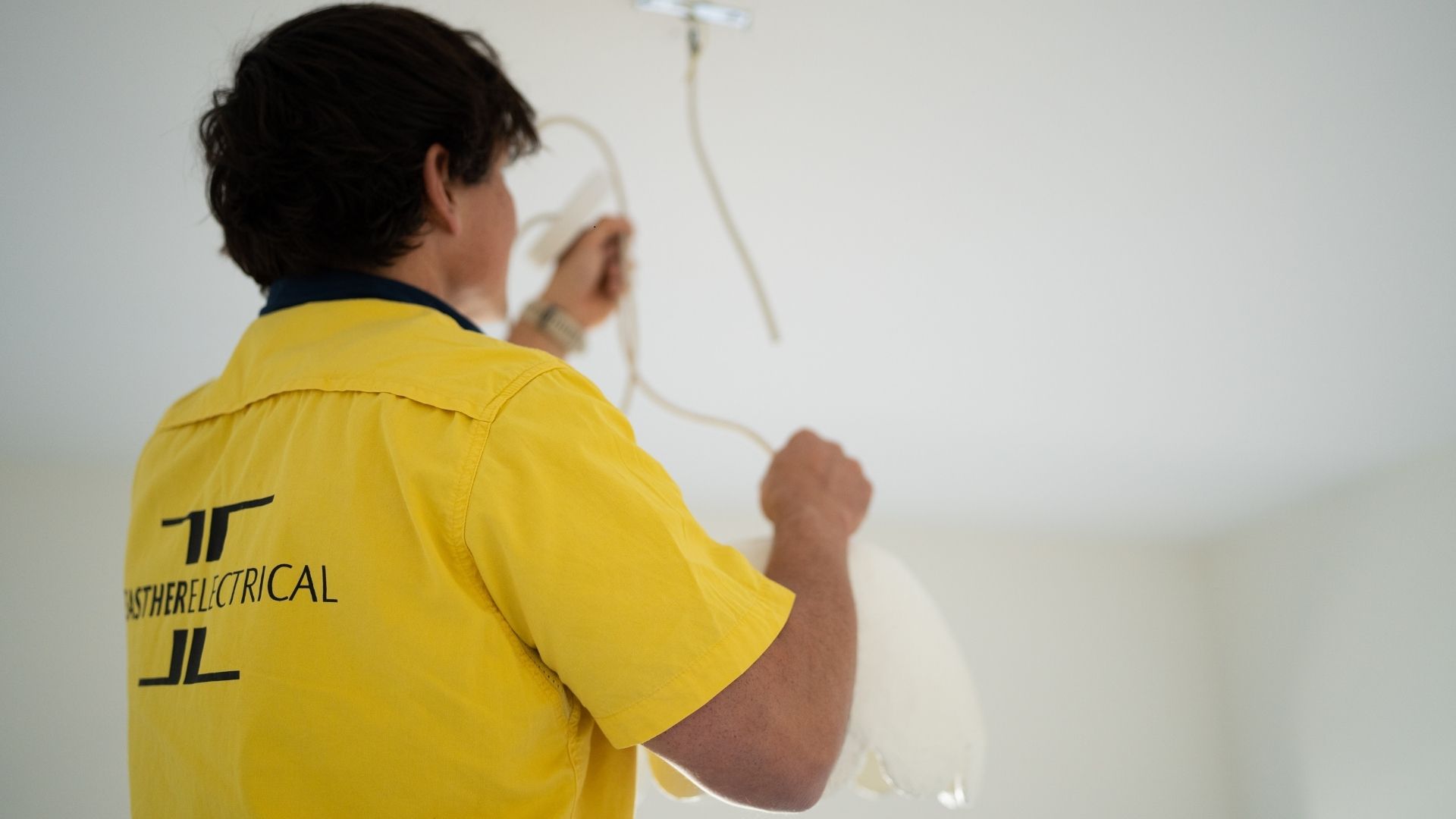
If you’re about to start planning a new bathroom remodel, the electrical layout should be one of the first things you lock in, not the last.
Common electrical work in a bathroom renovation includes new wiring installations, lighting design, power point placement, exhaust fan positioning, and switchboard assessment. Modern bathroom features like underfloor heating, heated towel rails, home automation controls, and smart mirrors all require specialised wiring. These are not decisions you can make after the walls are tiled.
When you start planning, think about the bigger picture of the bathroom. Where will the hair dryer go? Is there enough lighting over the vanity? Are you likely to add appliances down the track? Building in more power points and planning the space properly at the renovation stage is far cheaper than retrofitting later.
Common Electrical Mistakes in Bathroom Renovations
Here’s what goes wrong most often.
Not planning enough lighting is the big one. A single downlight is rarely enough for a bathroom space. Layered lighting across ambient, task, and accent positions makes a real difference to how the room functions. Skipping vanity lighting creates shadows right where you need to see clearly.
Exhaust fan placement is another common problem. Position it on the wrong side of the bathroom, and it won’t shift moisture effectively. Poor ventilation leads to mould, which in turn causes water damage and repair costs.
Other mistakes worth avoiding:
- Not installing enough power points. Plan for a hair dryer, shaver, phone charger, and any future bathroom appliances during the renovation. Retrofitting is expensive.
- Assuming the existing electrical systems are fine. In older homes, the switchboard and wiring may not safely handle the load of a renovated bathroom with new fixtures and appliances. Have your electrician assess it before work starts.
- Locking in the tile layout before the electrical plan is confirmed. Moving a power point after tiling is a costly repair job.
- Skipping permits or using unlicensed contractors. Both are illegal, both can affect your insurance, and the fines in NSW are significant.
What to Ask Before Hiring a Bathroom Renovation Electrician
Before you hire an electrician for your bathroom renovation, run through these questions:
- Are you licensed in NSW?
- Do you regularly work on bathroom renovations and remodels?
- Will you coordinate with my builder and other contractors?
- Will you provide a CCEW on completion?
- Can you advise on lighting, exhaust fan, and power point placement before the layout is locked in?
- Will you check the switchboard and existing electrical systems before the job starts?
- Can you handle any structural changes that affect the electrical layout?
If any of these get a vague answer, keep looking.
Bathroom Renovation Electrical Services in Wollongong
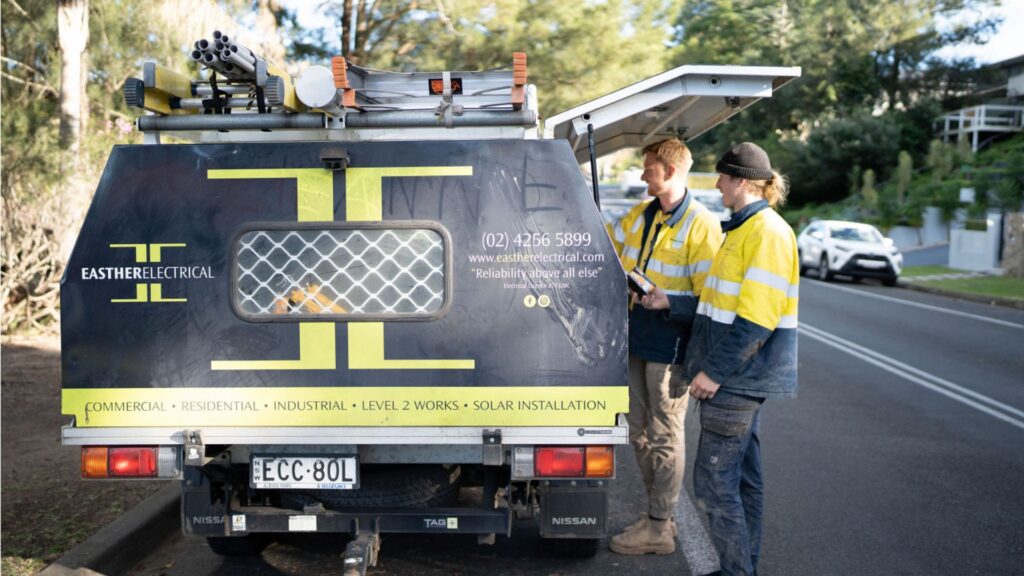
Easther Electrical is a licensed renovation electrician based in Oak Flats, covering Wollongong and Illawarra. We work with homeowners, builders, and bathroom renovators across the region, handling everything from the initial electrical plan through to fit-off and compliance sign-off.
Our team is Level 2 accredited and experienced in both standard bathroom renovations and electrical work, as well as more complex jobs involving rewiring, new builds, or switchboard upgrades. We work alongside other trades and can coordinate around your project schedule to keep your renovation on budget and on time.
To get the electrical side of your bathroom reno sorted, contact Easther Electrical for a free quote or call 02 4256 5899.
Ready to Plan Your Bathroom Reno?
Most bathroom renovations in Wollongong involve electrical work. Get the electrical plan sorted before waterproofing and tiling start. It’s cheaper, it’s faster, and it’s a lot less stressful than fixing compliance issues or repair jobs later.
If renovating your bathroom feels daunting, or you have an upcoming bathroom renovation planned for your Wollongong property, Easther Electrical can help.
We work with homeowners across Wollongong and the Illawarra Region, providing safe, compliant bathroom electrical work for renovations of all sizes.
Contact Easther Electrical for a free quote or call 02 4256 5899.
FAQs
Do I always need an electrician for a bathroom renovation? Not for purely cosmetic work. But if your bathroom remodel involves any new wiring, lighting, exhaust fans, heated towel rails, or power points, a licensed electrician is required under NSW law.
What permits do I need for bathroom electrical work in NSW? Your licensed electrician handles compliance by issuing a CCEW on completion. For larger renovation projects involving structural changes, additional building permits may apply. Your builder or bathroom renovator can advise on those.
Can my builder organise the electrician for me? Yes, many builders coordinate trades. But the electrical work itself must be done by a licensed electrician. Your builder cannot carry out the electrical services required under the Home Building Act 1989.
Can I move a bathroom light or power point myself? No. Any electrical wiring work in NSW must be carried out by a licensed electrician. DIY electrical work is illegal and can void your home insurance.
Do I need a switchboard upgrade for a bathroom renovation? Not always. But it's worth having your electrician assess the existing electrical systems before work starts, particularly in older homes where the switchboard may not support modern electrical loads.
What certificate should I receive after the electrical work is completed? A Certificate of Compliance Electrical Work, or CCEW. Your licensed electrician must provide this on completion. Keep it with your property records.
How early should I book an electrician for a bathroom reno? Before you finalise your layout. Electrical decisions affect tile placement, wall positions, and cabinetry. Getting the electrician involved early saves time, money, and avoids costly rework.