
Choosing a ceiling fan seems straightforward. When your electrician, builder or partner tasked you with making the selection for your new fan, you probably assumed you’d have to choose a style and size, and that would be it. But now, you’re seeing every product listing with “AC” or “DC” stamped next to it, and if you don’t know the difference, it can quickly feel overwhelming.
AC and DC refer to the motor type inside the fan, and the difference affects energy use, noise levels, fan controls and the price at the checkout. It’s not a decision you want to gamble on; you'll be living with this fan for a decade or more.
We’ve broken down the two options for you, and by the end, you’ll know exactly which motor type suits your home, and why it's worth getting right.
What Do AC and DC Mean in Ceiling Fans?
AC stands for alternating current. That's the type of power supplied to every Australian home through the grid. The current changes direction rapidly, and AC motors are powered directly by this supply through standard wiring directly to the fan.
DC stands for direct current, which flows in one direction only. A DC ceiling fan has a built-in transformer that converts your household AC power into DC before it reaches the motor. It's the same principle as the little brick on your phone charger, just scaled up for a fan motor.
DC ceiling fans still plug into your normal 240V power source. They don't need special wiring or a separate electrical setup. The conversion from AC to DC happens inside the motor housing, so from an installation standpoint, both fan types connect to your home's existing electrical components the same way.
Do DC Fans Actually Save You Money on Power Bills?
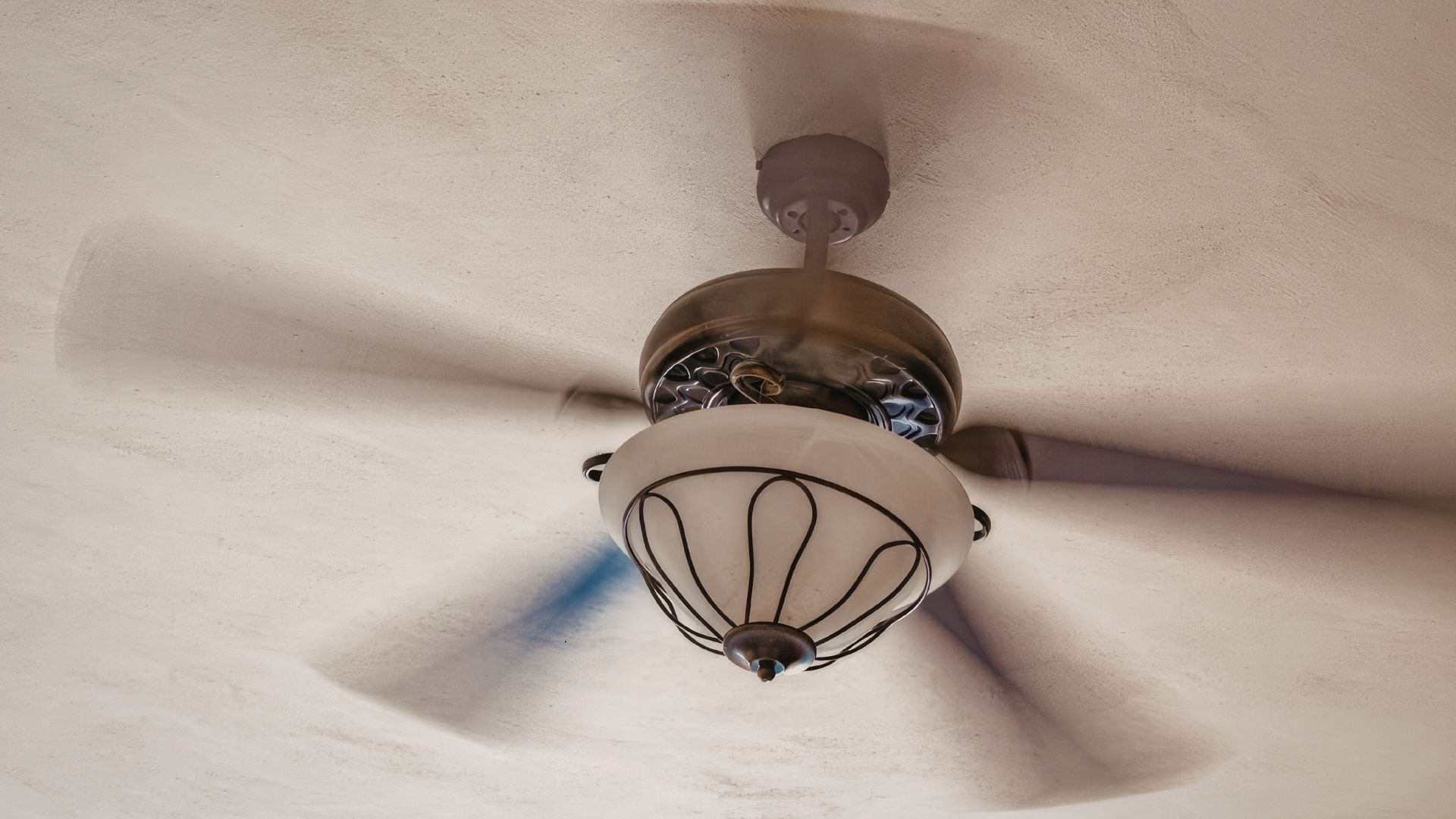
There's a lot of big claims floating around about DC fan energy savings, so let's look at the real numbers.
AC fans typically draw 50-100 watts at high speed, depending on the model and age. DC fans typically draw 25-40 W at equivalent airflow, using roughly half the energy of an AC fan. That makes DC ceiling fans highly energy efficient, and it's a genuine difference.
But how much does that save you in practice? Let's say a DC fan saves around 50 watts per hour over a comparable AC model. Running it for 8 hours a day through a 4-month Wollongong summer (roughly 120 days) at around $0.30 per kWh, that works out to roughly $14 to $15 per year in energy savings. It's real money, but it's modest.
The catch is that DC ceiling fans carry a higher upfront cost than equivalent AC models. So the payback period on energy savings alone is measured in years, not months.
That doesn't mean DC fans aren't worth it. It just means energy efficiency alone isn't the main reason to buy one.
Why Noise Levels Matter More Than You'd Think
This is where many people notice the biggest practical difference between AC and DC ceiling fans.
AC motors produce a low-frequency hum that's especially noticeable at mid-speeds. In a quiet bedroom at night, many AC fans create enough background noise to be annoying. DC fans use brushless motors with a more refined electromagnetic design. The result is extremely quiet operation, particularly at low speeds. Many users find this to be the real selling point of DC ceiling fans.
The quality and brand of the fan you pick is still important. A premium AC fan can outperform a budget DC fan on noise. But comparing AC vs DC at the same quality level, DC wins on quiet operation every time. For bedrooms, home offices, or any room where background noise is a primary concern, the difference is worth paying for.
Wall Switches, Remotes, and Speed Settings
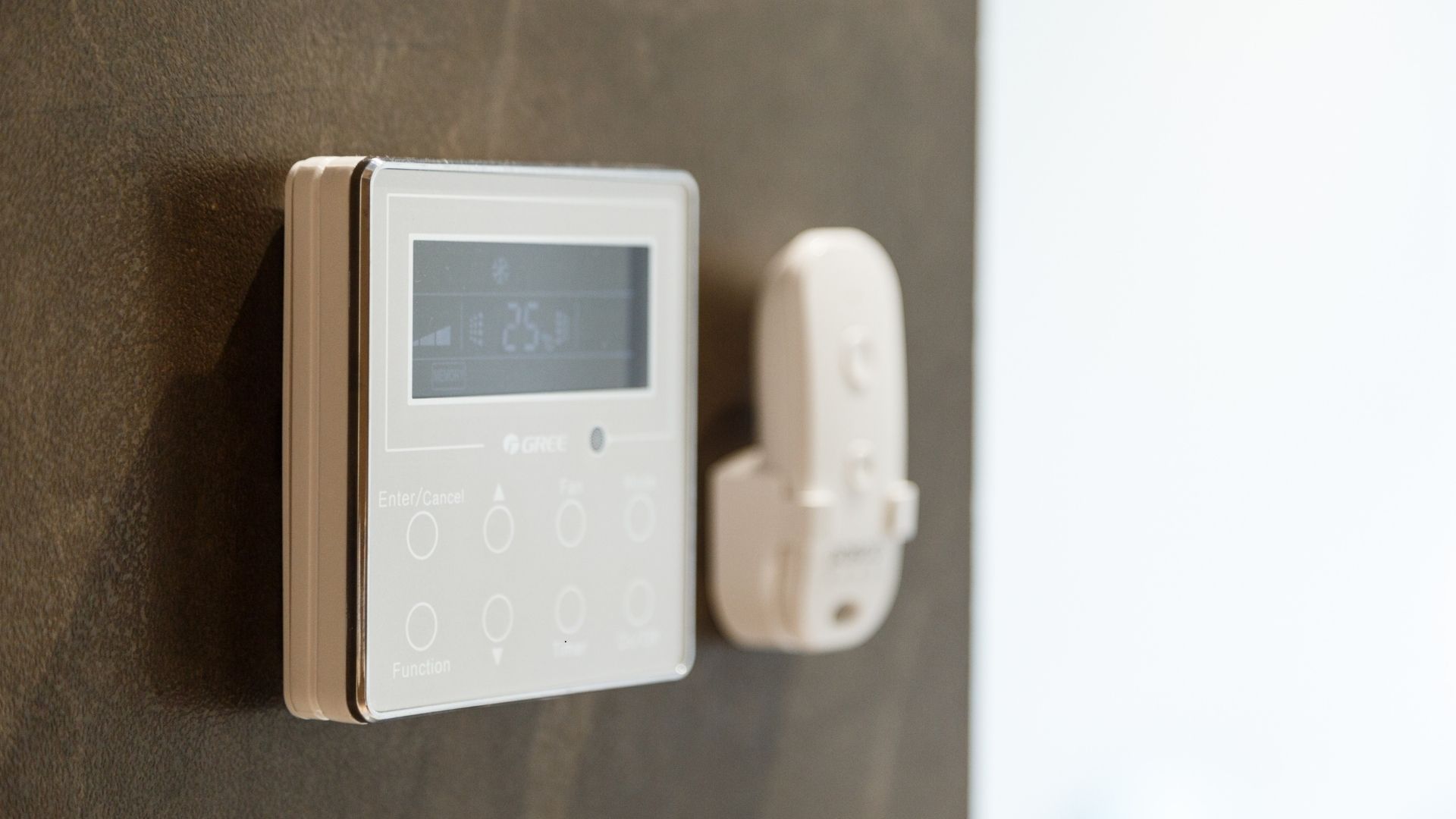
AC ceiling fans usually have 3 speeds and work with standard wall switches, including speed controllers. If your home already has a fan switch on the wall, an AC fan will work with it. The one drawback is the reverse function. On many AC fans, you need to physically access the motor housing to flip a switch or install a separate wall controller.
DC ceiling fans typically have 5 to 6 speeds and always come with a remote. Most DC fans won't work with a standard wall speed controller, so if you’re prone to losing remotes, this might be a drawback. If you're replacing an AC fan and expecting your existing switch to carry over, check before you buy. Some DC models do offer a wall controller, but it's often sold separately. The reverse function is easier on DC fans because it's built into the remote, so you don't have to climb a ladder to switch between summer and winter modes.
Wi-Fi-enabled DC fans are also becoming more common. These connect to Google Home or Amazon Alexa so that you can control the fan by voice or through an app.
The Right Fan for Each Room in Your Home
In a bedroom, DC is the stronger choice. The quiet operation at low speeds is a genuine quality-of-life improvement, and it's worth the extra spend for a room where you sleep.
For a living room or main area, either type works. If the fan is going to be running most of the day through summer, DC's lower running costs and quieter motor start to add up. But a quality AC fan won't let you down here either.
For outdoor areas like patios and alfresco spaces, look for IP-rated, damp-rated or wet-rated fans regardless of motor type. Wollongong's coastal climate means salt air and humidity can take a toll on electrical fittings and electrical components over time. Both AC and DC models are available in outdoor-rated configurations. Easther Electrical supplies and installs IP-rated, damp and wet-rated ceiling fans suited to coastal conditions.
For a rental property or secondary bedroom, AC is a perfectly cost-effective and sensible choice. The lower price point and straightforward wall panel controls make AC fans practical for properties where advanced features aren't a priority.
If you're renovating or building, DC is increasingly the standard in new installs. It's a good opportunity to future-proof your home with modern features, better energy efficiency, and quieter fans that will serve you for years.
Is Fan Installation a DIY Job?
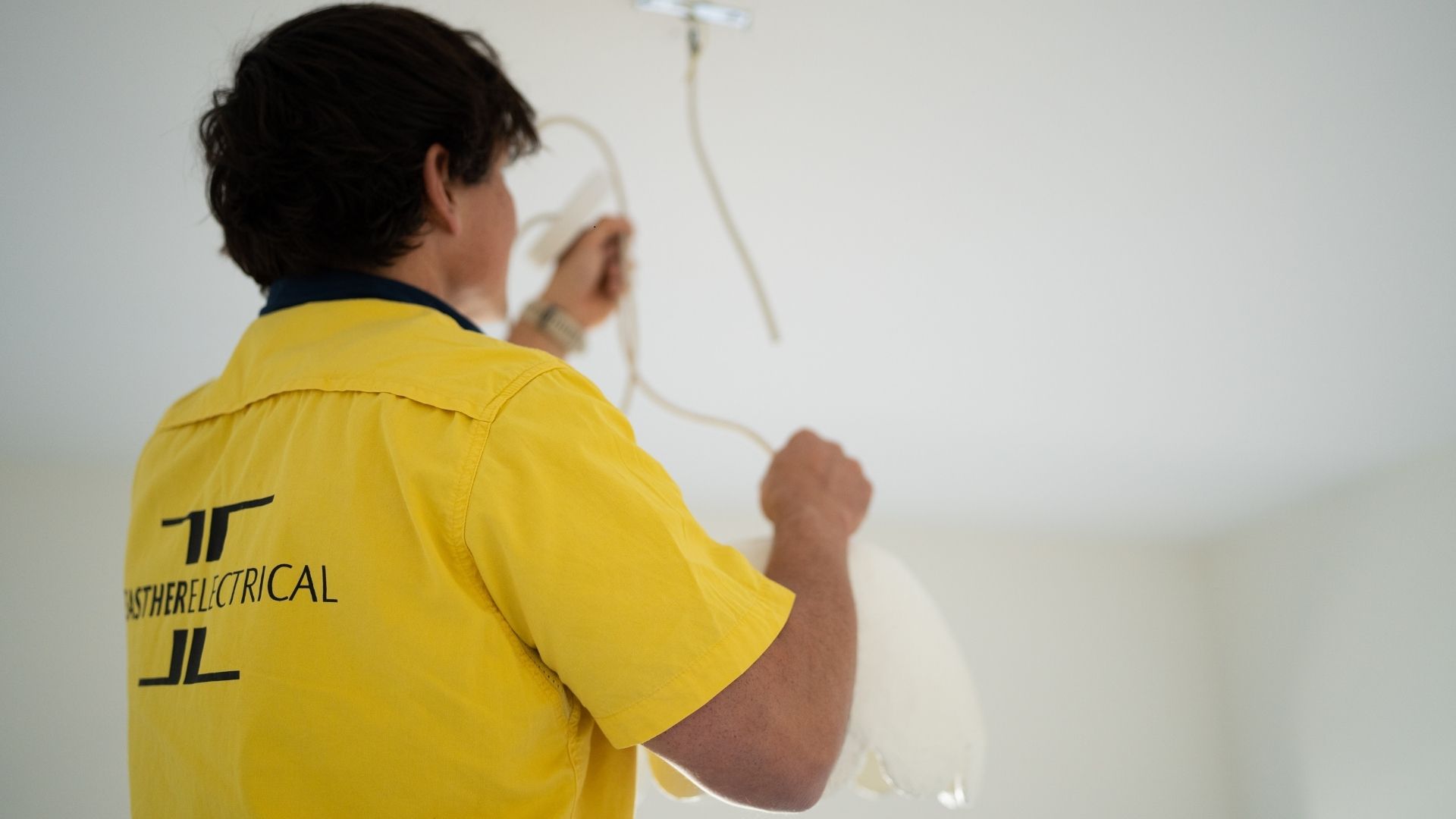
No, it isn’t. Regardless of whether you go AC or DC, ceiling fan installation in NSW must be carried out by a licensed electrician. AC ceiling fans are generally easier to install and maintain, with simpler electrical components and fewer parts. DC fans are slightly more complex inside the motor housing, but from the electrician's perspective, the installation process is very similar for both. Ceiling fan installation involves working with your home's fixed wiring, mounting a bracket to the ceiling structure, and testing the electrical connections; work that carries real risk of electric shock or fire if it's not done correctly.
Which One Should You Choose?
Both AC and DC ceiling fans are good options for Australian homes. It comes down to your budget, which rooms you're fitting out, and what matters most to you. DC fans are quieter, more energy efficient, and offer more speed settings and advanced features. AC fans are cheaper upfront, simpler to control with a wall switch, and generally easier to maintain.
If you need help choosing the right fan for your home or want to book a ceiling fan installation in Wollongong, the team at Easther Electrical can help. Give us a call or request a free quote.
On scorching summer days, ceiling fans are an affordable way to cool off, costing only a few cents per hour to run. In winter, they improve warm air circulation, making it cheaper to heat our homes with air conditioners. However, their low price point doesn't mean you should skimp on the cost of a licensed electrician for ceiling fan installation.
Fan installation isn't a DIY job. Here's why this sort of electrical work should be left to the professionals.
The Dangers of DIY Ceiling Fan Installation
Australian electrical regulations stipulate that ceiling fans are prescribed devices under the AS/NZS3000 wiring rules. This means they need testing and certification by a licensed electrician.
Installing a ceiling fan yourself can leave you at risk of damaging your electrical system. Accidentally overloading circuits or faulty electrical connections could cause a fire in your home and put you and your family at risk of electric shocks. DIY installation can damage both the fan and the ceiling and is likely to lead to costly future repairs, particularly if the fan isn't mounted correctly. Lastly, qualified electricians understand the best way to assess the space a ceiling fan requires so that it's positioned for maximum energy efficiency.
Therefore, not only is DIY ceiling fan installation not safe, but it can also end up costing you more in the long run.
Why You Need a Licensed Electrician
When you have a new ceiling fan installed, an electrician will perform a range of electrical safety checks, assessing the existing wiring and performing any necessary upgrades. They will ensure that the fan is securely mounted and that it's balanced and works correctly.
There's nothing worse than a wobbly ceiling fan above your bed or a noisy fan in your living space. A professionally installed ceiling fan not only ensures optimal performance and lower energy bills, but it will also comply with national and local building codes that keep your home safe.
DIY v ceiling fans jobs for a licensed electrician
Some ceiling fan repairs, or maintenance are safe to perform yourself; these include:
- Changing the lightbulb or light shade on a ceiling fan with a light fixture
- Cleaning the exterior of the motor, mounting bracket and fan blades with a soft, dry cloth
Some ceiling fan work will require a licensed electrician to do the electrical work, including:
- Upgrading an existing fan
- Installing a new ceiling fan
- Installing an outdoor ceiling fan
- Replacing a ceiling fan remote control
- Replacing a wall switch
- Replacing ceiling fan blades
What's Involved in Professional Installation?
Before installation begins, your electrician will assess the best position for the new ceiling fan, considering its distance from walls (for proper airflow), its height from the floor and distance from the ceiling. Meeting these distances is necessary to ensure fan installation meets safety standards and optimal comfort and energy efficiency.
Next, they will inspect the electrical components, checking that the electrical box has proper grounding and secure wiring connections. The power to your home will need to be turned off during ceiling fan installation. If you're having a fan with a light installed, you'll need to decide if you want a dual switch, which requires extra electrical wiring, or a remote to control all functions.
Your electrician will also need to find the best location for the ceiling box or mounting bracket, which should be screwed into a ceiling joist that has structural integrity to ensure your fan won't fall from the roof due to vibration. This may involve entering the ceiling space.
As you can see, there are many considerations when installing a ceiling fan, so it's best to leave it to someone equipped with the necessary tools and proper knowledge to install your ceiling fan safely. Improper installation can be a safety hazard and will most likely result in costly repairs down the track.
Common Mistakes When Installing Ceiling Fans Yourself
From flickering lights to electric shocks, there's so much at risk if you try to install a ceiling fan yourself and you get it wrong.
Overloaded or incorrect wiring, using the wrong junction box, improper blade balancing, inadequate support and failing to turn the main power off correctly can cause a fire hazard or worse - serious injury to you or your loved ones. Don't risk it just to save a few dollars.
Where is it Safe to Install a Ceiling Fan?
Australian safety standards dictate key requirements for the positioning of ceiling fans to ensure safety while keeping rooms cool. This includes a minimum ceiling height of 2.1m from the floor to the fan blades and 300mm from the ceiling. For sloped ceilings, blades must have a minimum 15cm horizontal clearance.
Centring the fan over the main living area will help optimise air flow, but you'll also need to consider the location of light fittings, cupboards or furniture that may obstruct the fan when it's operating.
Hiring an electrician saves you from having to think about all of these factors yourself, as they are experienced in all aspects of ceiling fan installation, including positioning.
Cost vs. Consequences: Why It’s Worth Paying for a Pro
Most ceiling fan installations cost just a few hundred dollars, although this depends on whether the proper wiring is in place and if additional materials are needed for bracing. If it's a new installation, it may cost slightly more than a replacement.
However, by having your fan installed correctly according to local electrical codes, you can avoid any electrical issues that could risk your safety or damage your property. If you perform electrical work yourself, your insurance company is unlikely to pay out for any damages or injuries due to electrical hazards or faulty electrical work. Incorrect installation may also void the warranty on your fan, and if you don't know what you are doing, it may mean that cool air doesn't reach where you need it.
How to Choose the Right Electrician for Ceiling Fan Installation
For the proper installation of ceiling fans, you should ensure that your electrician is licensed. You can check this information using their electrical contractor license on your state's fair trading website. You can also check online reviews to see the experience of their past customers, and don't forget to ask them if they have experience with ceiling fan installation.
We Make Ceiling Fan Installation A Breeze
Installing a ceiling fan involves working on complex electrical services, so it's best left to a professional electrician.
At Easther Electrical, our technicians are highly experienced with ceiling fan installation. We can help you pick the right size and style of fan, and we'll think about everything that's required to make it work perfectly, from the pitch of the blades to the method of operation. No home should be without an energy-efficient ceiling fan, so call us today on (02) 4256 5899 for a free quote.
FAQs
Should an electrician install a ceiling fan?
Yes, whether it's new or a replacement, you should always have ceiling fans installed by a licensed electrician.
Do you need an electrician to change ceiling fans?
Yes, you should have a qualified electrician replace your ceiling fans, as it may require updating wiring or other complex electrical services.
Can I install a ceiling fan myself in Australia?
Australian legislation does not permit unlicensed electrical work, including installing ceiling fans.
Do you need an electrician to remove a ceiling fan?
Yes, if you need a ceiling fan removed, you should have this type of electrical work performed by a licensed electrician.
You wouldn't be alone if you were a fan of a fan. There's something about the movement of air and twirling of the blades above that's just, well, cool. Not to mention how much more cost-effective and energy-efficient they are to air conditioning. A/C units can rack up serious energy bills, while fans provide a simple, affordable way to maintain comfort without breaking the bank.
Perhaps you’re looking to reduce energy usage by looking at more environmentally friendly cooling solutions, or you just want to lower your utility costs. Either way, let’s explore why fans might just be the unsung heroes of your cooling strategy.
Why Consider Ceiling Fans?
Ceiling fans cool a space by creating a wind-chill effect, making you feel cooler without actually lowering the room’s temperature. While there's the argument that all they do is blow hot air around, just the movement of warm air and breeze on your skin can cool you down.
They use far less energy than air conditioning, making them an eco-friendly and cost-effective solution. Running a fan all night costs significantly less than if you were to run AC.

Plus, there's a bonus: ceiling fans are great mosquito deterrents. By dispersing your breath and the carbon dioxide that attracts mosquitoes, fans make it harder for them to locate you. Additionally, the breeze also physically blows mosquitoes away, making it difficult for them to land or fly around.
It’s a win for comfort, cost savings, and keeping those pesky bugs at bay.
Cost Comparison: Fans vs. Air Conditioning
If you use air conditioning and are looking to cut down on your energy use and slash electrical bills, then ceiling fans are the way to go for energy efficiency.
According to the Department of Climate Change, Energy, the Environment, and Water, a ceiling fan typically uses around 10–120 watts of electricity per hour, compared to air conditioners, which consume anywhere from 2,000–5,000 watts. Over time, this difference can lead to substantial savings on energy bills with fans running at only around 2 cents per hour, whereas a reverse cycle air conditioner may cost $1.00. Multiply that over a month, and you could save upwards of $30 per room by using fans instead of A/C.


Switching to ceiling fans—or combining them with limited air conditioner use—is one of the best ways to reduce your energy consumption and save money on your energy bills.
Benefits of Using Fans Alongside Your Air Conditioner
On the subject of combining fans with limited air conditioning, pairing the two creates a cooling system powerhouse. Fans circulate cool air from your ducted air conditioning more effectively. This allows you to set your thermostat and air temperature higher while maintaining comfort. And for every degree you raise your A/C, you can save up to 10% on energy costs.
Additionally, fans help cold air cool specific areas faster, reducing the need to run your fan or air conditioner for extended periods.
Finally, not only does this lowers energy usage but also extends the life of your air conditioning system. As a result, combining your air conditioning unit with a fan is an excellent cost-effective and energy-efficient solution for your home or business.
Installation Costs and Considerations
Firstly, it's important to note that while there is an upfront cost with ceiling fan instalment, the investment will soon pay for itself if you have primarily been using an air conditioner.
Ceiling fan installation costs can vary, typically ranging from $100 to $300, depending on several factors, including the complexity of the installation, whether new wiring is needed, the type of fan being installed and any adjustments to existing fixtures that may be required.
Also note that if your home already has pre-wiring for a ceiling fan, then the cost may be lower.
Tips for Choosing the Right Ceiling Fan
If you're looking to reduce energy consumption and save on electricity bills, then it makes sense to look for models with energy ratings or DC motors, which use less electricity.
Consider the size of the room—larger spaces need fans with a wider blade span, while smaller rooms can benefit from compact designs. Adjustable speed settings and a reverse function, which circulates warm air trapped near the ceiling without creating a draft for winter use, are also smart features.
Now, don’t forget the aesthetic factor—choose a fan that complements your space’s décor. Consider taking a photo of the style first and envisioning how it suits your room. From modern minimalist styles to classic timber finishes, you'll find a fan to suit every home.
Finally, choose the right professional electrician in your area for installation. Ask around, check reviews and ensure they're qualified and reliable.
Environmental Impact of A/C Use
Air conditioning systems not only hurt the hip pocket—they impact the environment due to their high energy consumption and reliance on refrigerants that contribute to greenhouse gas emissions.

In contrast, ceiling fans use far less electricity, offering a more sustainable cooling solution. By reducing or complementing air conditioning usage with fans, you can lower your carbon footprint while still staying comfortable. Fans are the smart choice for eco-conscious households.
Remember, every small step, no matter how little, such as choosing fans over your air conditioning for mild days, contributes to a greener and more sustainable future.
Save Money and Energy with a Ceiling Fan
Incorporating ceiling fans into your cooling strategy not only offers substantial cost savings and energy efficiency but also contributes to a more sustainable and comfortable living environment.
Here at Easther Electrical, we offer full-service fan repair, fan replacement and fan maintenance—let us help you stay cool while saving energy today.
Frequently Asked Questions
Does putting your AC on fan save money?
Yes, using your AC on fan mode circulates air without cooling it, reducing energy consumption compared to full cooling mode. As a result, this will save you money on your energy bills.
Is a fan cheaper to run than AC?
Absolutely. Ceiling fans are significantly cheaper to run than air conditioning systems, as they do not cool the air and use much less power to circulate air.
Do ceiling fans reduce air conditioning costs?
Yes, ceiling fans can reduce air conditioning costs by combining the two and allowing you to set the thermostat higher while still feeling cool due to improved air circulation.
Are ceiling fans expensive to run in Australia?
No. Ceiling fans are generally very cost-effective to run in Australia—around 2 cents an hour— especially compared to air conditioning, with minimal electricity usage.